Educational Card Games for Effective Learning

Get a Free Quote

Our representative will contact you soon.
Email
Mobile/WhatsApp
Name
Company Name
Message
0/1000

educational card games

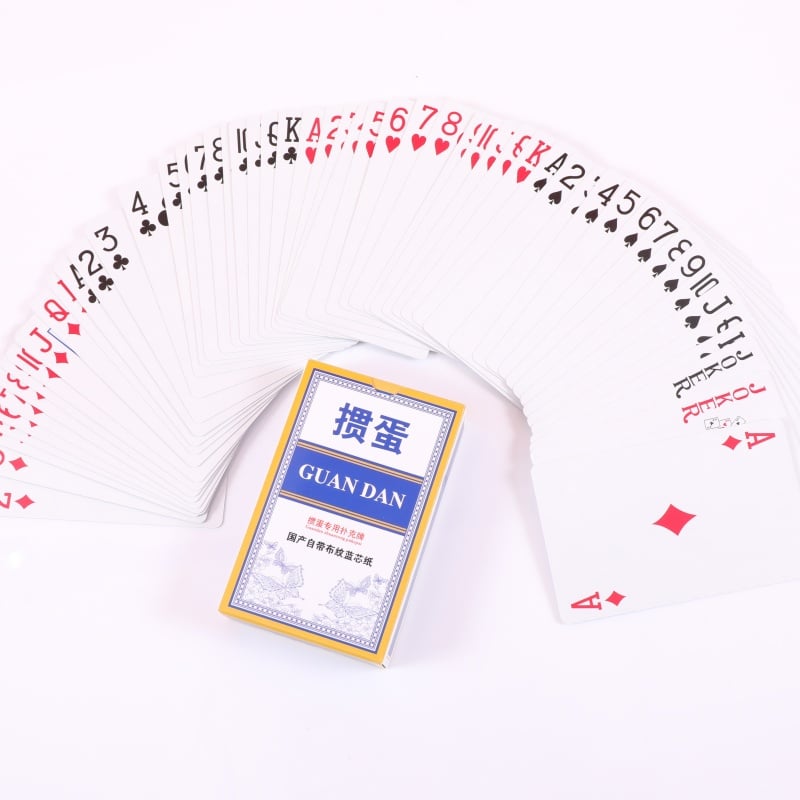
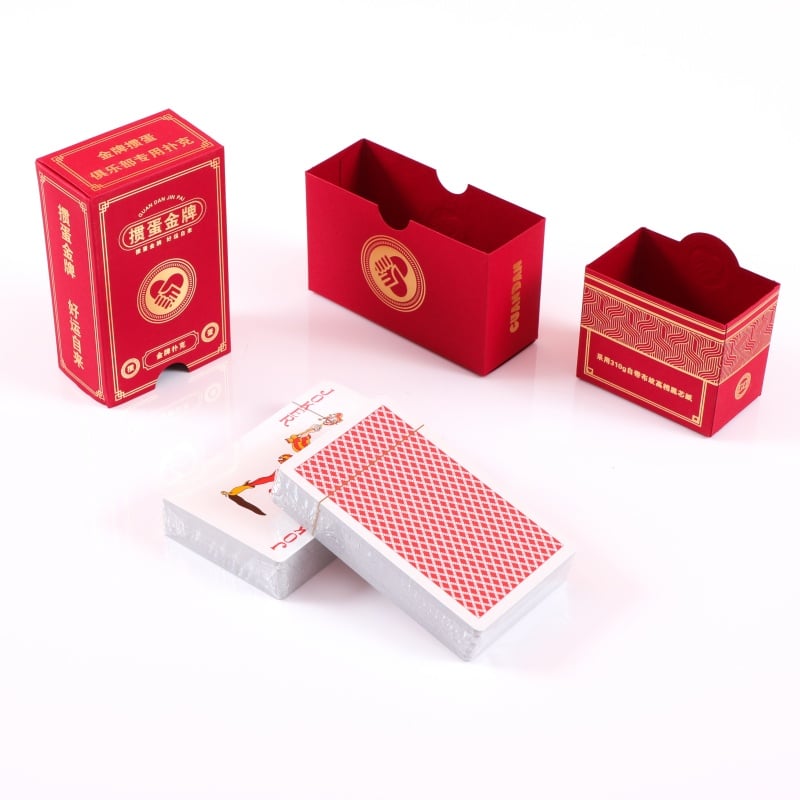
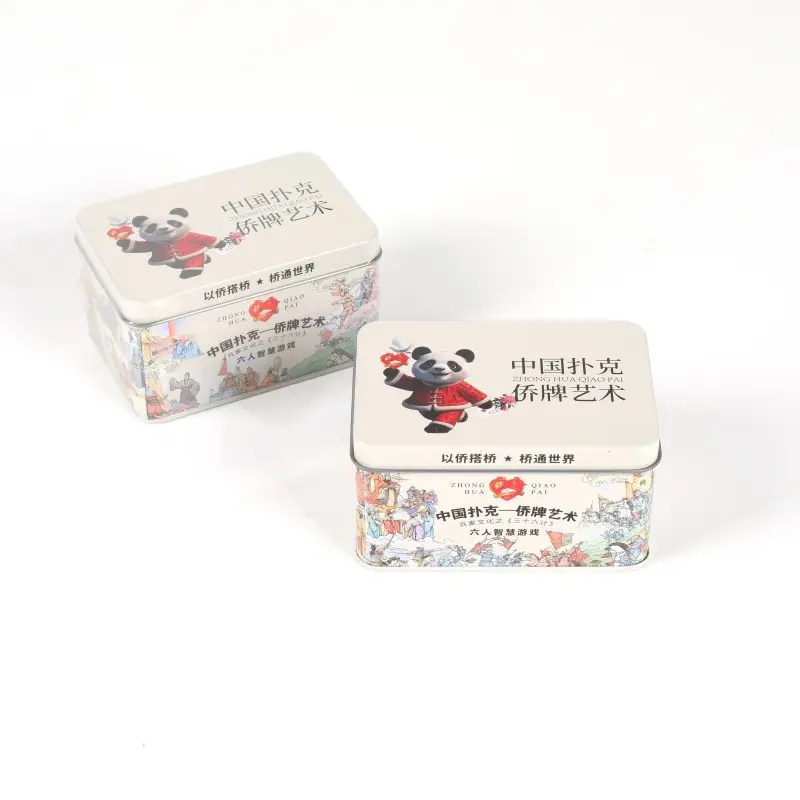
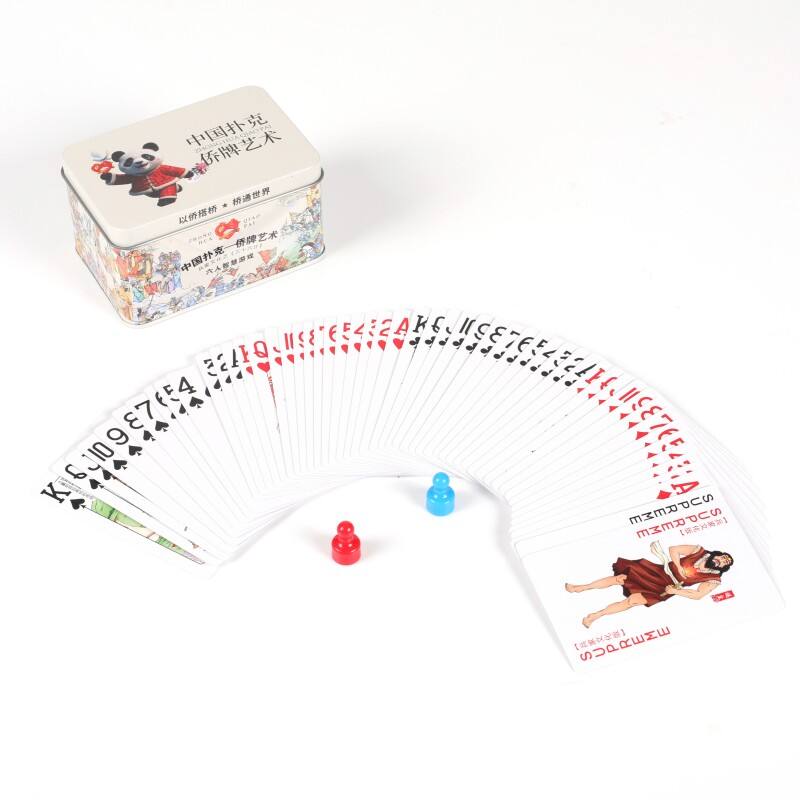
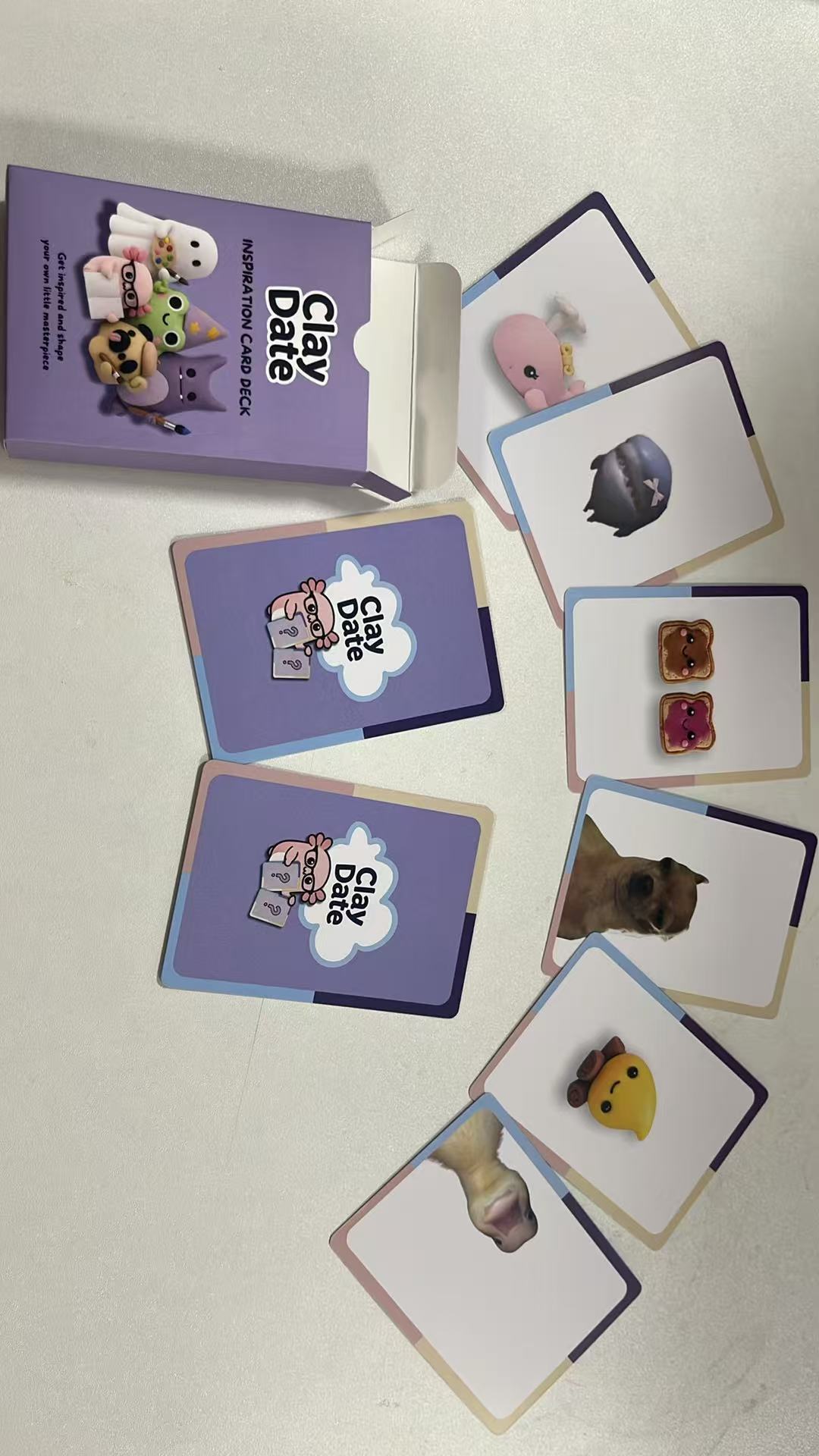
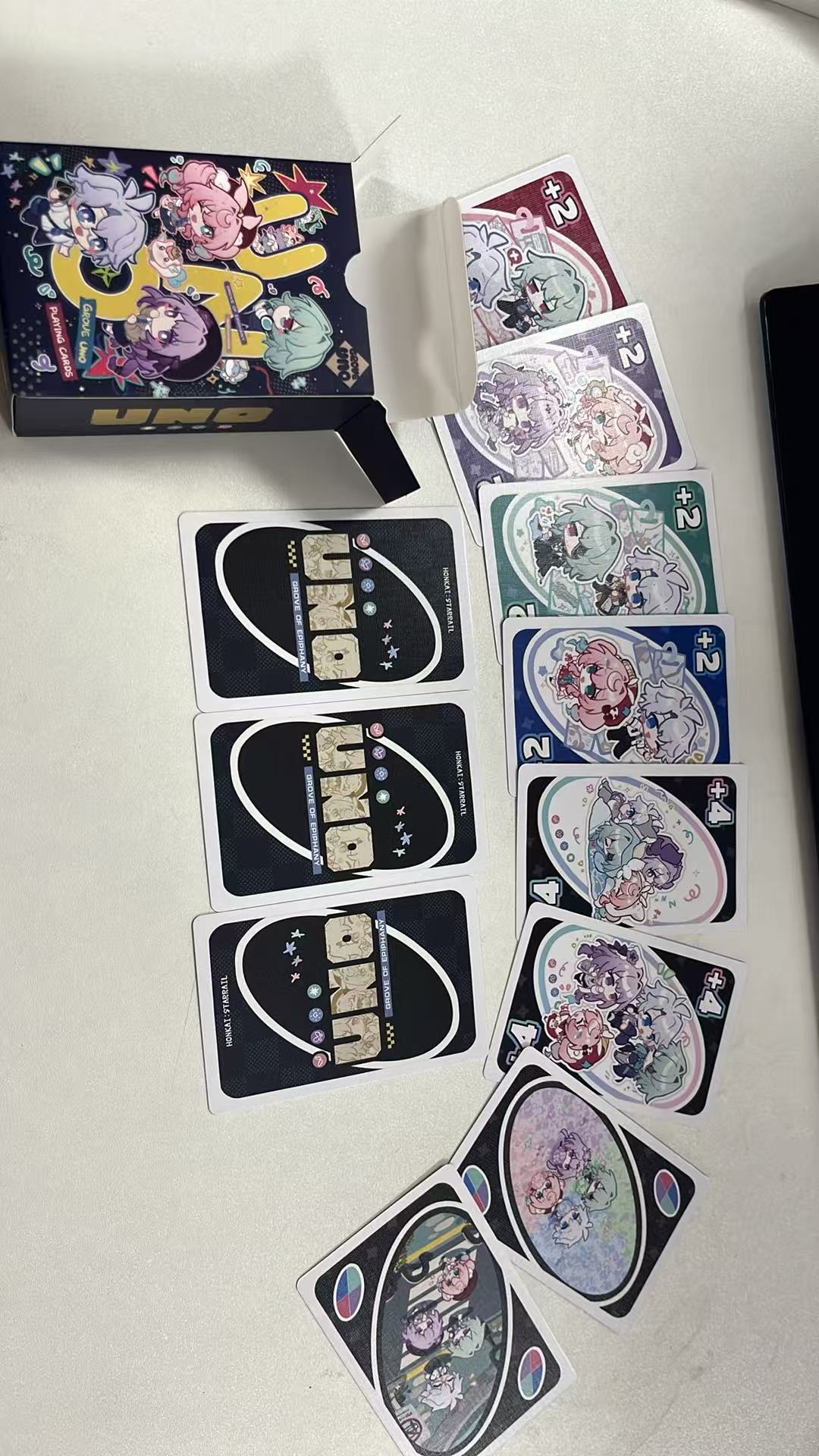
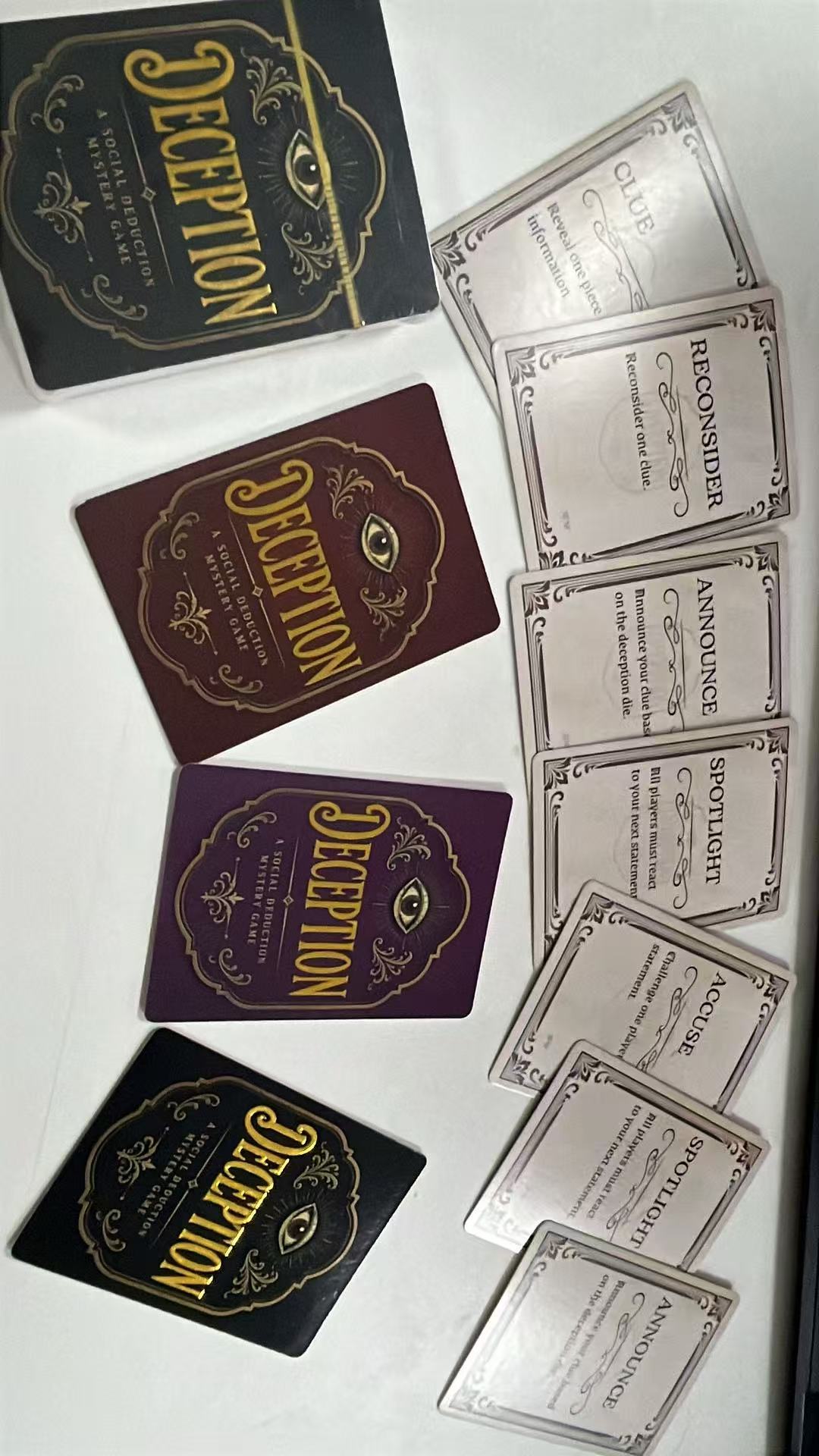
Educational card games represent an innovative approach to learning that combines entertainment with academic development. These specially designed card sets transform traditional study methods into engaging, interactive experiences that captivate learners of all ages. Educational card games cover diverse subjects including mathematics, language arts, science, history, and critical thinking skills. The main function of these games is to reinforce learning concepts through repetitive play, visual recognition, and social interaction. Technological features often include color-coded systems, progressive difficulty levels, and adaptable rule sets that accommodate various learning styles and age groups. Many educational card games incorporate proven pedagogical principles such as spaced repetition, active recall, and gamification elements that boost memory retention. These games serve multiple applications across different environments including classrooms, homeschool settings, tutoring centers, and family game nights. Teachers utilize educational card games as supplementary teaching tools to break monotony and increase student participation. Parents appreciate how these games provide screen-free learning alternatives that promote face-to-face interaction. The portable nature of card games makes them ideal for travel, waiting rooms, or any situation requiring compact educational resources. Educational card games successfully bridge the gap between formal instruction and recreational activity, making knowledge acquisition feel less like work and more like play, ultimately fostering positive attitudes toward learning.

Popular Products

Educational card games deliver exceptional value by making learning enjoyable and effective simultaneously. Students retain information better when they associate studying with positive emotions and social experiences rather than solitary memorization. These games eliminate the pressure often associated with traditional testing methods, allowing learners to practice skills in low-stakes environments where mistakes become learning opportunities. Parents and educators save money compared to expensive tutoring services or digital subscriptions, as one card game purchase provides unlimited replay value for multiple users. The operational benefits include quick setup times, minimal preparation requirements, and flexibility to pause and resume sessions according to schedule constraints. Teachers appreciate how educational card games facilitate differentiated instruction, enabling them to address various skill levels within one classroom setting simultaneously. The self-paced nature allows advanced students to progress quickly while struggling learners receive additional practice without feeling singled out. Educational card games excel in developing soft skills alongside academic content, including turn-taking, strategic thinking, communication abilities, and gracious winning or losing. These games suit diverse applications from remedial support to enrichment activities, making them versatile investments for educational institutions and families. Decision-makers value the tangible, screen-free format that reduces eye strain and promotes healthy social development. The collaborative aspects build community and reduce isolation, particularly beneficial in contemporary learning environments. Educational card games require no batteries, internet connection, or technical troubleshooting, ensuring consistent accessibility and eliminating technological barriers that might otherwise impede learning progress.

Practical Tips

Choosing the Right Cardstock for Professional Poker Cards

18

May

Choosing the Right Cardstock for Professional Poker Cards

When it comes to card games, the material beneath your fingertips matters far more than most players realize. professional poker cards are engineered to perform under pressure — shuffled thousands of times, handled by dozens of players, and exp...
View More
Eco-Friendly Poker: Sustainable Printing Practices in 2026

29

May

Eco-Friendly Poker: Sustainable Printing Practices in 2026

The card game industry is undergoing a quiet but meaningful transformation. As environmental awareness reshapes purchasing decisions across every consumer category, the demand for sustainable poker cards has grown from a niche preference into a mains...
View More
The Evolution of Poker Card Printing: From Traditional to Digital UV

16

Jun

The Evolution of Poker Card Printing: From Traditional to Digital UV

The world of poker card printing has undergone a remarkable transformation over the past several decades. What once relied entirely on mechanical presses and limited ink systems has now evolved into a sophisticated, technology-driven process that del...
View More
Waterproof Poker Cards: The Magic of Plastic Sheet Printing

26

Jun

Waterproof Poker Cards: The Magic of Plastic Sheet Printing

When you pick up a deck of waterproof poker cards, you are holding the result of a highly specialized manufacturing process called plastic sheet printing. Unlike traditional paper-based card production, plastic sheet printing fuses ink, color, and st...
View More

Get a Free Quote

Our representative will contact you soon.
Email
Mobile/WhatsApp
Name
Company Name
Message
0/1000

educational card games

Multi-Sensory Learning Enhancement

Multi-Sensory Learning Enhancement

Educational card games engage multiple senses simultaneously, creating stronger neural pathways and improving information retention. The tactile experience of handling cards activates kinesthetic learning channels, while visual elements including illustrations, colors, and symbols stimulate optical memory. Auditory learning occurs naturally through player discussions, rule explanations, and verbal responses during gameplay. This multi-sensory approach accommodates diverse learning preferences, ensuring that visual, auditory, and kinesthetic learners all benefit equally. Research demonstrates that information processed through multiple sensory channels becomes embedded more deeply in long-term memory compared to single-channel learning methods. The physical manipulation of cards provides concrete representations of abstract concepts, particularly valuable for younger learners or those struggling with purely theoretical instruction. The combination of seeing, touching, and discussing content creates redundant memory traces that facilitate easier recall during assessments. Educational card games transform passive information consumption into active knowledge construction, where players become participants rather than spectators in their learning journey, resulting in significantly improved comprehension and lasting educational outcomes.
Social Skill Development Through Gameplay

Social Skill Development Through Gameplay

Educational card games naturally foster essential social competencies while simultaneously teaching academic content. Players develop communication skills by explaining strategies, asking clarifying questions, and articulating reasoning behind their choices. The structured turn-taking inherent in card games teaches patience, impulse control, and respect for others' participation. Collaborative versions of educational card games build teamwork abilities as players work toward shared objectives, learning to value diverse perspectives and contributions. Competitive formats teach gracious winning and resilient losing, helping children develop emotional regulation and sportsmanship. These social interactions create supportive learning communities where peers help each other understand difficult concepts without the hierarchical dynamics of teacher-student relationships. The informal atmosphere reduces anxiety for students who feel intimidated in traditional classroom settings, encouraging participation from typically reticent learners. Parents playing educational card games with children strengthen family bonds while modeling positive learning attitudes. The social context provides immediate feedback and natural consequences, helping players recognize mistakes and adjust strategies in real-time, creating authentic learning moments that textbooks cannot replicate effectively.
Adaptable Difficulty and Customization Options

Adaptable Difficulty and Customization Options

Educational card games offer remarkable flexibility through adjustable difficulty levels and customizable rule variations that grow with learner capabilities. Beginners start with simplified versions using fewer cards or basic rules, while advanced players incorporate complex variations that deepen cognitive challenge. This scalability ensures extended product lifespan as the same game serves learners across multiple developmental stages without requiring new purchases. Teachers and parents easily modify educational card games by removing advanced cards, adding house rules, or combining multiple sets to create personalized learning experiences targeting specific skill gaps. The open-ended nature encourages creativity, with families developing their own variations that address unique educational needs or interests. This adaptability makes educational card games suitable for mixed-age groups, allowing siblings or students at different levels to play together meaningfully. The progressive challenge maintains engagement by preventing boredom from excessive repetition while avoiding frustration from overwhelming difficulty. Educators appreciate the diagnostic potential, as player performance during games reveals comprehension gaps requiring additional attention, informing instructional decisions without formal testing protocols that might stress students.

Get a Free Quote

Our representative will contact you soon.
Email
Mobile/WhatsApp
Name
Company Name
Message
0/1000