
 EN
EN



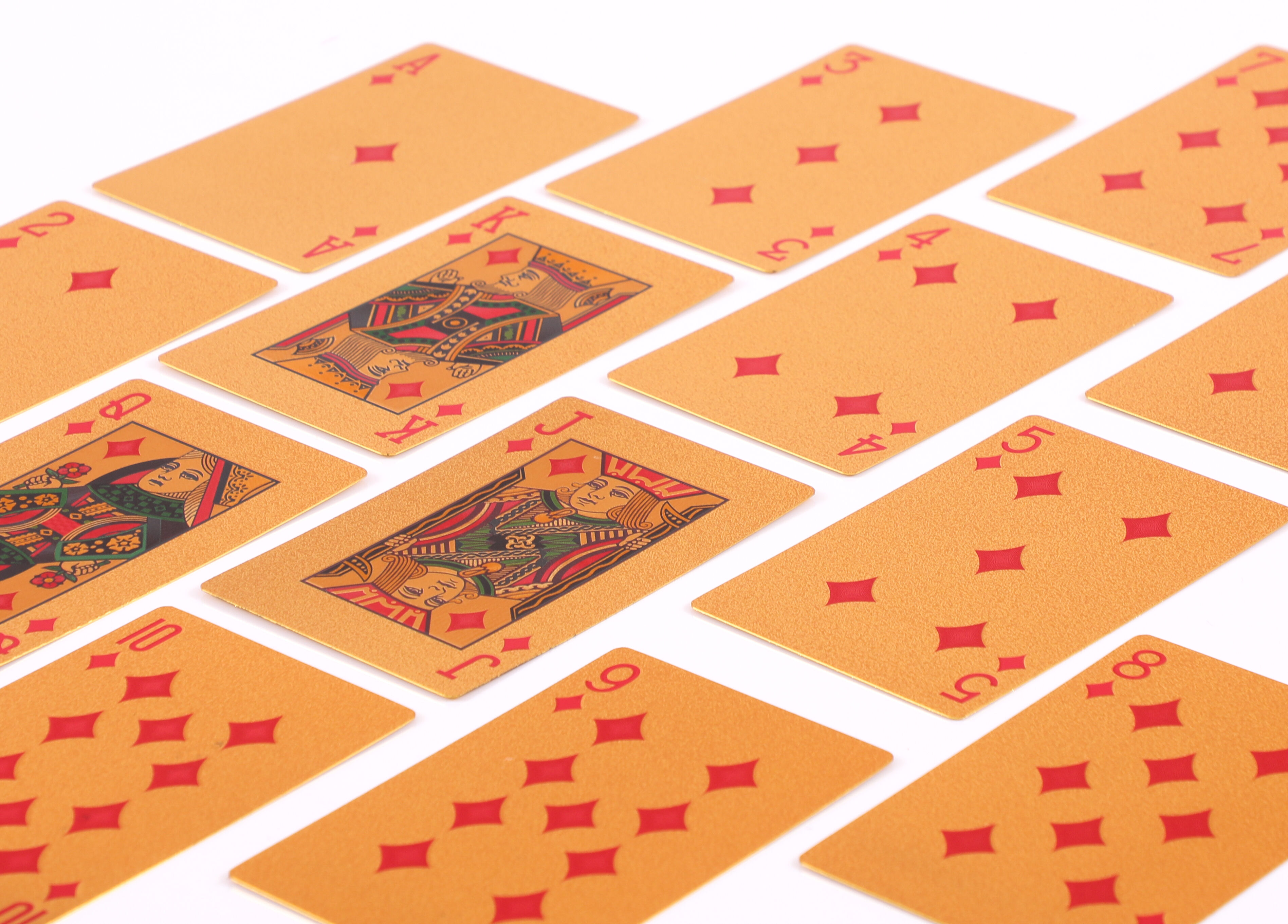
When it comes to card games, the material beneath your fingertips matters far more than most players realize. professional poker cards are engineered to perform under pressure — shuffled thousands of times, handled by dozens of players, and expected to maintain their integrity through every deal. The cardstock used to manufacture these cards is the single most important factor determining how they feel, how long they last, and how consistently they perform at the table.
Choosing the right cardstock for professional poker cards is not a decision that should be made casually. Whether you are sourcing cards for a casino floor, a corporate event, a high-end gift set, or a competitive tournament, the substrate you select will define the entire player experience. This guide breaks down the key cardstock types, their properties, and the practical criteria that should drive your selection process.
Understanding Cardstock Categories Used in Professional Poker Cards
Paper-Based Cardstock
The most traditional substrate for professional poker cards is paper-based cardstock, typically constructed from a multi-layer cellulose core. This construction gives the card its characteristic snap and rigidity, which experienced players associate with quality. The layers are bonded under pressure and often include a black inner core that prevents light from passing through the card — a critical feature in competitive play where card transparency would compromise game integrity.
Paper-based professional poker cards are favored for their natural feel and their ability to accept high-resolution printing with exceptional color fidelity. The surface can be finished with a linen texture or a smooth coating depending on the intended use. Linen-textured cards offer better grip and airflow during shuffling, while smooth-coated cards tend to slide more cleanly across felt surfaces.
The primary limitation of paper-based cardstock is its sensitivity to moisture. Without additional treatment, these cards can warp, stick together, or degrade quickly in humid environments. For this reason, most manufacturers apply a protective coating or finish to extend the usable life of the deck.
Plastic-Coated Cardstock
Plastic-coated cardstock represents a significant upgrade over uncoated paper in terms of durability and handling. In this construction, a paper core is laminated with a thin plastic film on both sides, creating a surface that resists moisture, oils from hands, and general wear. Professional poker cards made with plastic-coated stock are widely used in mid-range gaming environments where longevity is a priority but full plastic construction is not required.
The coating also enhances the visual quality of the printed design, giving colors a sharper, more vibrant appearance. Cards with this substrate tend to maintain their finish longer than uncoated alternatives, making them a practical choice for venues that cycle through multiple decks per session. The tactile experience is slightly different from pure paper — slightly more slick — which some players prefer and others find less satisfying.
100% Plastic Cardstock and Its Role in High-Performance Play
The Case for Full Plastic Construction
For the most demanding applications, professional poker cards made from 100% plastic cardstock represent the gold standard. These cards are manufactured entirely from PVC or a similar polymer compound, eliminating the paper core entirely. The result is a card that is virtually impervious to moisture, highly resistant to bending, and capable of withstanding far more handling cycles than any paper-based alternative.
Casino operators and serious tournament organizers often specify full plastic professional poker cards precisely because of this durability. A single deck of plastic cards can outlast multiple paper decks under the same conditions, which translates directly into cost efficiency over time. The upfront investment is higher, but the total cost of ownership is typically lower when calculated across the lifespan of the deck.
Full plastic cards also offer a distinct tactile experience. They tend to feel heavier and more substantial in the hand, and they produce a different sound when shuffled or dealt. For players accustomed to high-end professional poker cards, this sensory profile is part of what signals quality and seriousness at the table.
Limitations and Considerations for Plastic Cardstock
Despite their advantages, full plastic professional poker cards are not universally the right choice. The printing process for plastic substrates is more complex and typically more expensive, which can affect the viability of custom designs or short-run production. Color reproduction on plastic can also differ from paper, requiring careful calibration during the design phase to ensure the final product meets visual expectations.
Plastic cards can also be more difficult to shuffle for players who are accustomed to paper-based decks. The flexibility and surface friction are different, and some players find the learning curve noticeable. For casual or gift-oriented applications where the tactile experience of a traditional card is part of the appeal, plastic may not always be the preferred substrate.
Key Physical Properties to Evaluate When Selecting Cardstock
Thickness and Rigidity
The thickness of cardstock used in professional poker cards is typically measured in points or millimeters, and it has a direct impact on how the card handles. Cards that are too thin feel flimsy and are prone to bending, while cards that are too thick can be difficult to shuffle and may not fan or bridge properly. The industry standard for professional poker cards falls within a relatively narrow range, and deviating significantly from that range will affect the playing experience in noticeable ways.
Rigidity is related to but distinct from thickness. A card can be thin but rigid if the substrate has high tensile strength, or thick but flexible if the material is soft. For professional poker cards, the ideal combination is a substrate that provides enough stiffness to hold its shape under repeated handling while retaining just enough flex to allow smooth shuffling and dealing.
Surface Finish and Coating Type
The surface finish applied to professional poker cards affects both their visual appearance and their functional performance. Matte finishes reduce glare and provide a softer, more tactile surface that some players find easier to grip. Gloss finishes enhance color vibrancy and give the card a premium visual quality, though they can show fingerprints more readily and may feel slightly more slippery during play.
Specialty finishes such as linen embossing or air-cushion texturing are specifically designed to improve the handling characteristics of professional poker cards. These finishes create micro-channels or texture patterns on the card surface that reduce friction between cards, allowing them to slide apart more easily during shuffling and dealing. For high-volume use environments, this kind of surface engineering can meaningfully extend the functional life of the deck.
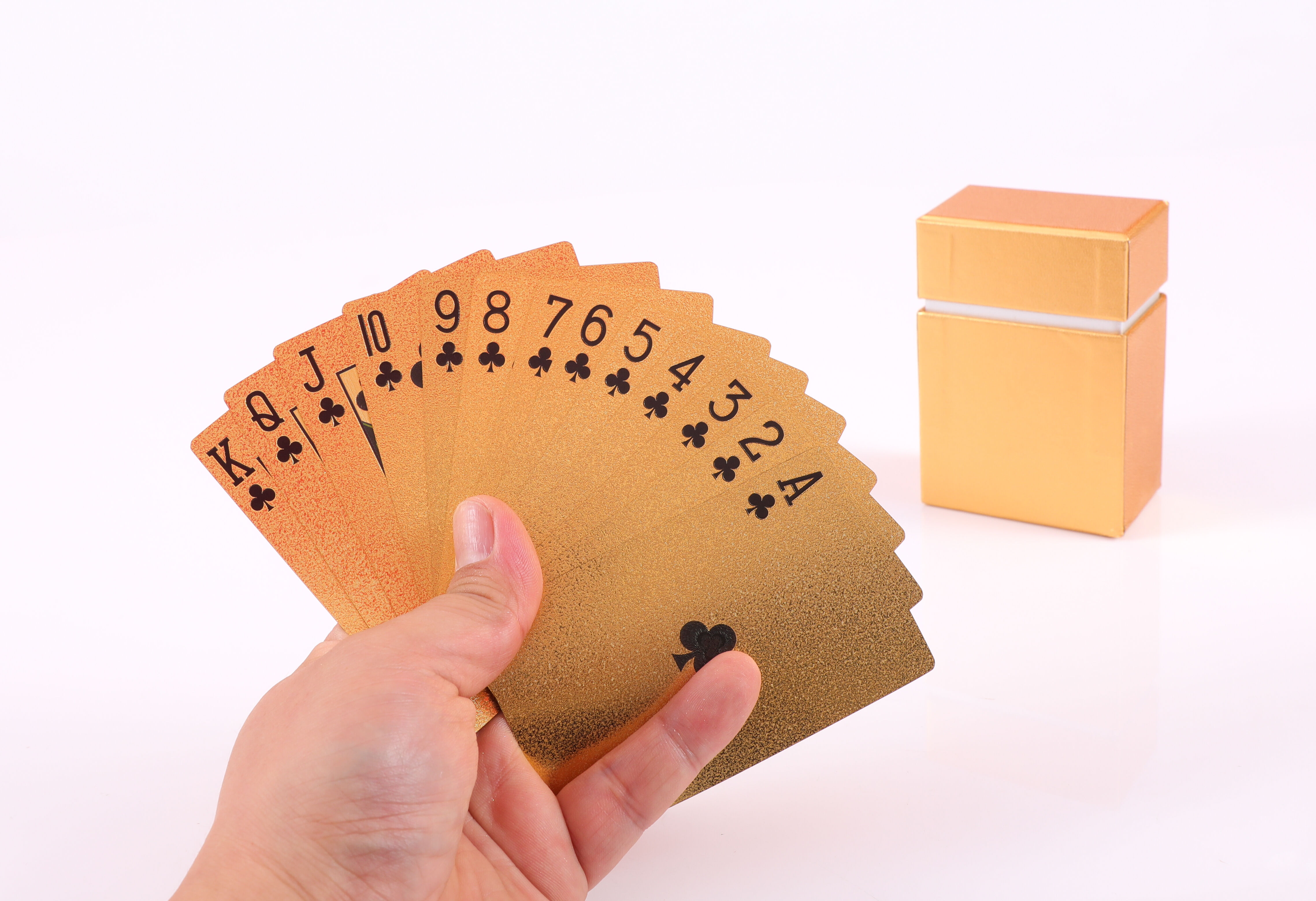
UV coating is another option that adds a layer of protection against fading and surface abrasion. Professional poker cards intended for display, gifting, or collector use often benefit from UV treatment, which preserves the visual quality of the printed design over time even when the cards are handled regularly.
Matching Cardstock to the Intended Use Case
Casino and Tournament Applications
In casino and tournament settings, professional poker cards face the most demanding conditions of any use case. They are handled continuously by multiple players, shuffled by dealers with high technical proficiency, and expected to perform consistently across long sessions. For these environments, the cardstock must prioritize durability, consistency, and resistance to marking or wear that could compromise game integrity.
Full plastic or high-grade plastic-coated cardstock is typically the appropriate choice for professional poker cards in these settings. The investment in premium substrate pays off through reduced replacement frequency and a more consistent playing experience across the life of the deck. Casinos also often require cards with specific security features, such as opaque cores or UV-reactive inks, which must be compatible with the chosen substrate.
Gift Sets and Premium Retail Applications
For professional poker cards intended as gifts or premium retail products, the selection criteria shift somewhat. Visual presentation, unboxing experience, and perceived quality become more important alongside functional performance. In these contexts, a high-quality paper-based cardstock with a premium finish can be entirely appropriate, particularly when the cards are paired with an elegant box or packaging that reinforces the overall quality impression.
The cardstock for gift-oriented professional poker cards should still meet a high standard of print quality and surface finish, but the emphasis on extreme durability is less critical than in a casino environment. What matters most is that the cards feel substantial, look visually impressive, and deliver a tactile experience that communicates craftsmanship. A well-chosen cardstock paired with thoughtful design can elevate a deck of professional poker cards into a genuinely memorable gift.
Waterproofing is still a valuable feature even in gift contexts, as it protects the cards during occasional use and ensures they remain in presentable condition over time. Professional poker cards that are both visually striking and functionally durable make a stronger impression than those that prioritize aesthetics at the expense of performance.
Printing Compatibility and Custom Design Considerations
How Cardstock Affects Print Quality
The relationship between cardstock and print quality is direct and significant. Professional poker cards with intricate custom designs, fine typography, or detailed suit and number graphics require a substrate that can hold fine detail without bleeding or distortion. Coated paper stocks and high-quality plastic substrates both support sharp, high-resolution printing, but the specific coating and surface texture will influence how ink adheres and how colors appear in the final product.
Offset printing on professional poker cards typically produces the most consistent and color-accurate results, particularly for large production runs. The cardstock must be compatible with the inks and printing process being used, and any surface coating must be applied after printing to avoid interference with ink adhesion. Working with a manufacturer who understands the interaction between substrate and print process is essential for achieving the visual quality that professional poker cards demand.
Custom Finishes and Special Effects
Beyond standard printing, professional poker cards can incorporate a range of special finishes that enhance their visual and tactile appeal. Foil stamping, spot UV, embossing, and metallic inks are all techniques that can be applied to the right cardstock to create a premium product that stands out from standard decks. These effects require careful consideration of substrate compatibility, as not all cardstocks support every finishing technique.
For professional poker cards intended for high-end gifting or branded corporate use, these special finishes can significantly elevate the perceived value of the product. The cardstock must be selected with these finishing requirements in mind from the outset, as switching substrates late in the design process can require significant rework. Consulting with your manufacturer early about the full range of intended finishes will help ensure that the chosen cardstock supports the complete vision for the final product.
FAQ
What is the most durable cardstock for professional poker cards?
100% plastic cardstock is generally the most durable option for professional poker cards. It resists moisture, bending, and surface wear far better than paper-based alternatives, making it the preferred choice for casino and tournament environments where cards are handled intensively over long periods.
Can professional poker cards be waterproof without being made of full plastic?
Yes. Professional poker cards made from paper-based cardstock can achieve a meaningful level of water resistance through plastic lamination or specialized coating treatments. While they will not match the full waterproofing of 100% plastic cards, high-quality coated paper stocks can withstand light moisture exposure and are suitable for most non-casino applications.
How does cardstock thickness affect the feel of professional poker cards?
Cardstock thickness directly influences how professional poker cards feel during shuffling, dealing, and handling. Cards within the standard thickness range for the industry feel balanced and responsive. Cards that are too thin feel insubstantial and are prone to damage, while overly thick cards can be difficult to shuffle smoothly. Most professional poker cards fall within a thickness range that has been refined through decades of manufacturing experience to optimize the playing experience.
Is premium cardstock worth the cost for gift-oriented professional poker cards?
For gift applications, premium cardstock is a worthwhile investment because it directly affects the perceived quality of the product. Professional poker cards that feel substantial, handle smoothly, and maintain their appearance over time make a far stronger impression than budget alternatives. When paired with quality packaging, premium cardstock elevates the entire gift experience and reflects well on the giver or brand associated with the product.