
 EN
EN



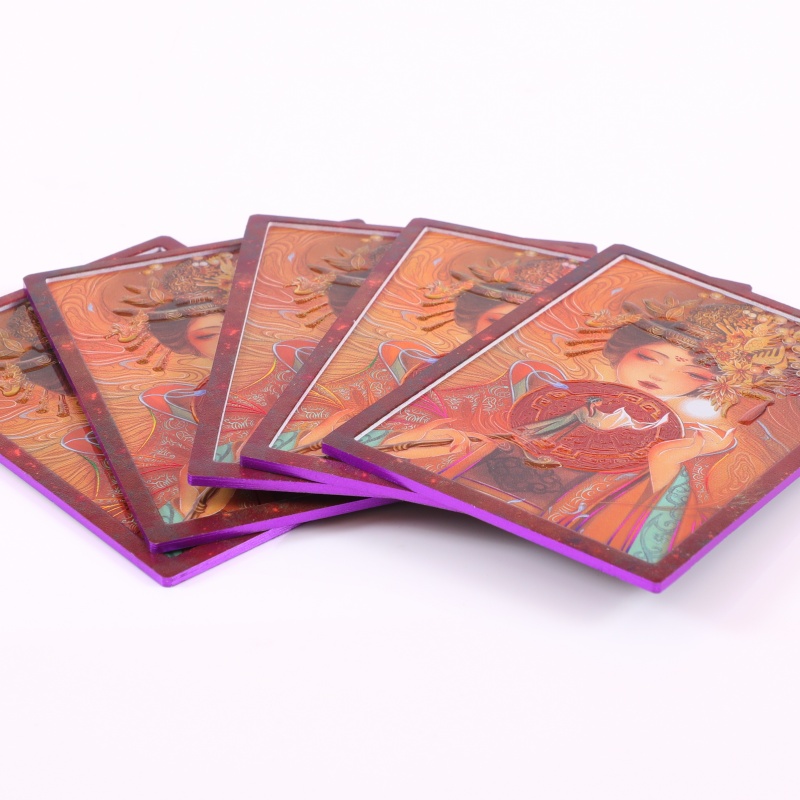
When you pick up a deck of waterproof poker cards, you are holding the result of a highly specialized manufacturing process called plastic sheet printing. Unlike traditional paper-based card production, plastic sheet printing fuses ink, color, and structural integrity into a single resilient surface that can endure spills, bending stress, and repeated handling without degrading. This is not a minor upgrade — it is a fundamental shift in how playing cards are manufactured and experienced.
Plastic sheet printing has quietly revolutionized the card game industry. Whether you are manufacturing professional casino-grade decks, premium mahjong cards, or custom-branded poker sets, plastic sheet printing delivers a product that paper simply cannot match. Understanding how plastic sheet printing works and why it matters helps buyers, designers, and game retailers make better sourcing and product decisions.
The Core Mechanics of Plastic Sheet Printing
How Plastic Sheet Printing Differs From Paper Printing
Traditional card printing uses paper stock coated with a thin laminate layer. The base material remains paper, which absorbs moisture and weakens under pressure over time. Plastic sheet printing, by contrast, begins with a PVC or polypropylene substrate as the foundation. The ink is bonded directly to this plastic base during the plastic sheet printing process, creating a unified, non-porous surface. Because no paper fiber is involved, the card does not warp, swell, or tear when exposed to liquids.
In plastic sheet printing, the substrate goes through precision alignment and multi-layer color deposition. Each pass of plastic sheet printing applies a controlled layer of UV-cured or offset ink that bonds chemically to the plastic surface. The result is a card with vivid color depth and a smooth tactile finish that remains consistent across thousands of shuffle cycles. This is why plastic sheet printing is the preferred method for premium and professional card production.
Material Selection in Plastic Sheet Printing
The quality of plastic sheet printing depends heavily on the substrate chosen. PVC remains the most common material in plastic sheet printing because it offers excellent flexibility, dimensional stability, and receptiveness to ink adhesion. Some manufacturers use PETG or polypropylene variants within their plastic sheet printing workflows, each offering different levels of rigidity and surface sheen. The choice of plastic in plastic sheet printing directly influences how the finished card feels in the hand, how it shuffles, and how it resists everyday wear.
Why Waterproof Poker Cards Rely on Plastic Sheet Printing
The Waterproofing Mechanism Behind Plastic Sheet Printing
Waterproofing in poker cards is not achieved by adding a coating on top of paper — it is inherent to the material used in plastic sheet printing. Because the substrate itself is a non-porous plastic film, water cannot penetrate the surface. When liquid contacts a card produced through plastic sheet printing, it beads and rolls off without leaving residue, discoloration, or structural damage. This is the fundamental reason why waterproof poker cards are defined by plastic sheet printing rather than any post-production treatment.
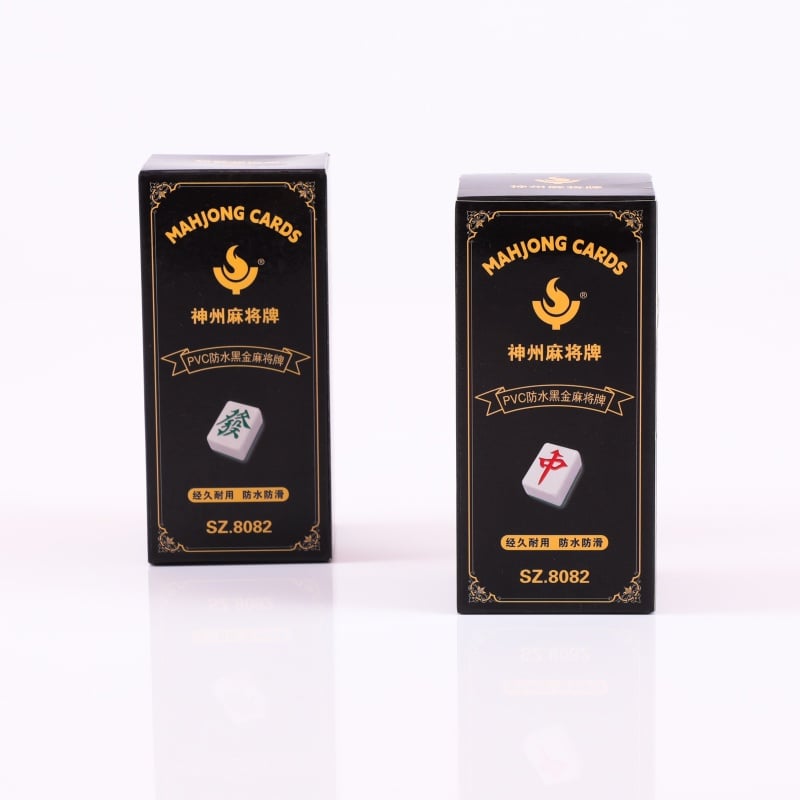
Casino operators and serious card game enthusiasts have long recognized that plastic sheet printing delivers practical durability that paper laminate cards cannot replicate. A deck produced through plastic sheet printing can be wiped clean with a damp cloth, survive accidental drink spills at a gaming table, and maintain its original stiffness through extended play sessions. Every one of these benefits traces directly back to the plastic sheet printing process that builds waterproofing into the card's core material rather than applying it as a surface afterthought.
Anti-Slip and Handling Qualities From Plastic Sheet Printing
Beyond waterproofing, plastic sheet printing influences the tactile character of the finished card. The plastic sheet printing process allows surface texture to be controlled precisely — matte finishes, satin textures, or lightly embossed surfaces can all be incorporated during plastic sheet printing without compromising the waterproof integrity. Anti-slip textures produced through plastic sheet printing help players maintain card control during dealing and shuffling. This surface engineering capability is one reason why plastic sheet printing is considered the gold standard for high-performance playing card production.
Applications and Value of Plastic Sheet Printing in Card Manufacturing
Where Plastic Sheet Printing Is Used in Card Products
Plastic sheet printing serves a wide range of card game products beyond standard poker decks. Mahjong card sets, tarot decks, collectible game cards, and custom-branded promotional decks all benefit from plastic sheet printing when durability and premium feel are priorities. In commercial settings such as casinos, resorts, and entertainment venues, plastic sheet printing is the default production standard because the cards must endure constant use across multiple shifts without replacement. For custom orders and branded gift sets, plastic sheet printing elevates perceived product quality and justifies premium retail pricing.
Business Value of Choosing Plastic Sheet Printing
For businesses sourcing playing cards, plastic sheet printing offers a compelling total cost of ownership advantage. Although the unit cost of plastic sheet printing is higher than paper card production, the lifespan of a plastic sheet printing card is significantly longer. Replacement frequency drops substantially, which reduces ongoing procurement costs for venues and retailers. Customers also associate plastic sheet printing quality with brand reliability, making plastic sheet printing a strategic choice for businesses that want their products to communicate professionalism and durability at first touch.
Plastic sheet printing also supports more precise color reproduction than paper-based methods. Brand colors, intricate design patterns, and fine-line artwork retain their sharpness throughout the plastic sheet printing process because the smooth plastic substrate does not absorb ink unevenly. For custom card designs that depend on visual precision, plastic sheet printing is the technically superior production path.
FAQ
What makes plastic sheet printing the right choice for waterproof poker cards?
Plastic sheet printing uses a non-porous plastic substrate as the card base, which means water resistance is built into the material itself rather than applied as a surface coating. Cards produced through plastic sheet printing naturally repel liquids, resist bending under moisture, and maintain their color and stiffness far longer than paper alternatives. This structural waterproofing is what distinguishes plastic sheet printing from all other card production methods.
Is plastic sheet printing suitable for custom-branded card designs?
Yes. Plastic sheet printing supports high-resolution color reproduction and precise ink bonding on smooth plastic surfaces, making it ideal for detailed custom artwork, brand logos, and intricate pattern work. The plastic sheet printing process preserves color accuracy and fine-line definition across the entire print run, which is why custom card manufacturers prefer plastic sheet printing for premium branded products.
How does plastic sheet printing affect the feel and handling of poker cards?
Plastic sheet printing allows manufacturers to control surface texture with precision, producing cards that feel smooth, slightly flexible, and consistently flat. The plastic sheet printing surface can be finished with anti-slip textures that improve grip and shuffling control. Unlike paper cards, which soften and bend with repeated handling, cards made through plastic sheet printing retain their original stiffness and tactile quality through extended use.