
 EN
EN



Launching custom playing cards on Kickstarter is one of the most competitive creative endeavors in the tabletop space. Every week, dozens of custom playing cards campaigns go live, each vying for the attention of a savvy and design-conscious backer community. If your custom playing cards do not immediately communicate quality, originality, and purpose, they will be scrolled past in seconds. Understanding how to design custom playing cards that genuinely stand out requires more than artistic talent — it demands a strategic combination of visual identity, print specification knowledge, and campaign presentation logic.
Kickstarter backers who fund custom playing cards are not simply purchasing a deck — they are investing in an experience, an aesthetic, and a story. This means your custom playing cards must deliver on every visual and tactile level, from the card back pattern to the finish on the tuck box. In this guide, you will learn the core design principles, print production choices, and campaign presentation tactics that help custom playing cards succeed on Kickstarter.
Building a Strong Visual Identity for Your Deck
Theme Consistency Across Custom Playing Cards
The most successful custom playing cards on Kickstarter share one defining trait: a cohesive visual theme that runs through every single card. When backers preview your custom playing cards, they should be able to identify the world, the mood, and the artistic language within moments. Whether your custom playing cards explore a dark fantasy realm, a minimalist geometric system, or an anime-inspired universe, the theme must be consistent across face cards, number cards, jokers, and the card back. Inconsistency in style signals an unfinished product, and backers of custom playing cards are experienced enough to notice immediately.
Color palette discipline is especially critical for custom playing cards. Choose a palette of three to five core colors and apply them uniformly. When your custom playing cards display color harmony, they read as professional and intentional. This consistency also makes your custom playing cards visually striking in campaign preview images, which is where the first impression is made.
Typography and Symbol Design in Custom Playing Cards
Typography choices in custom playing cards carry more weight than many designers expect. The suit symbols and rank numerals on your custom playing cards must remain readable at small sizes while also fitting seamlessly into the overall design language. Avoid generic system fonts for your custom playing cards — instead, create or license typefaces that reflect your theme. When the typography on custom playing cards feels custom-made rather than borrowed, it elevates the entire product perception. Backers who have supported many custom playing cards campaigns will recognize the effort immediately.
Choosing the Right Print Specifications
Card Stock and Finish Options for Custom Playing Cards
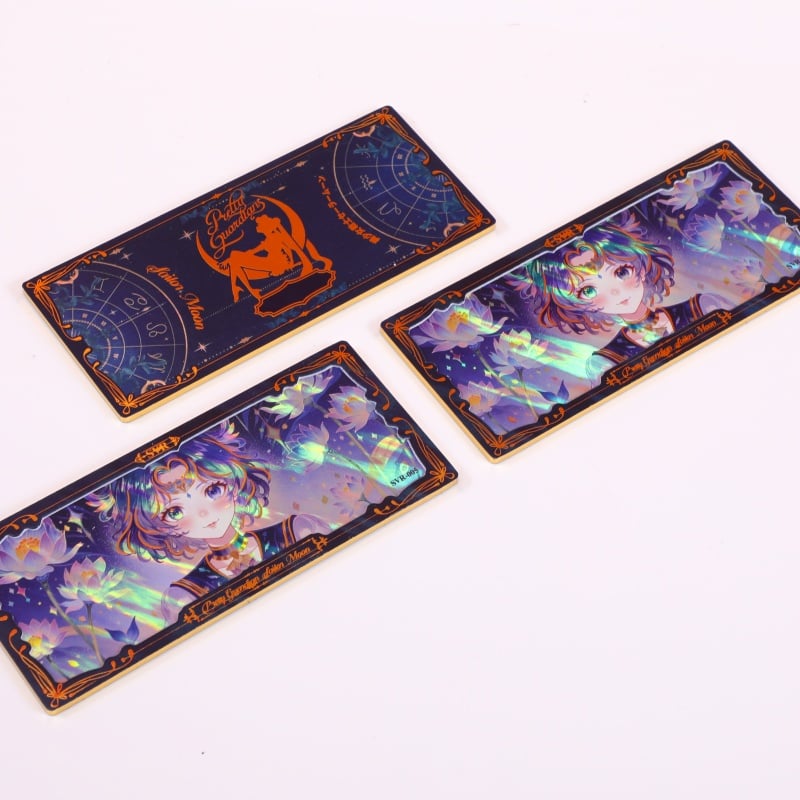
The physical quality of custom playing cards is one of the most discussed topics in Kickstarter backer communities. Backers read update comments, follow creator logs, and compare custom playing cards specifications carefully before pledging. For custom playing cards, the choice between standard card stock and premium linen-finish board can meaningfully affect backer confidence. Linen-finish custom playing cards have a tactile texture that feels premium and shuffles smoothly, which matters to collectors and gamers alike. Holographic and foil treatments on custom playing cards create a visual impact that photographs beautifully in campaign media, making your custom playing cards more shareable across social platforms.
Tuck box quality is equally important when presenting custom playing cards on Kickstarter. Many backers of custom playing cards judge the overall production value by the box as much as the cards themselves. A rigid magnetic closure box or a custom-printed tuck box reinforces the premium positioning of your custom playing cards and signals that the creator has invested seriously in the physical product.
Sizing and Bleed Specifications for Custom Playing Cards
Standard poker-size custom playing cards measure 63mm by 88mm, but bridge-size and tarot-size custom playing cards are also common for themed or collector decks. When designing custom playing cards for print, always include a minimum bleed of 2mm to 3mm on each edge to prevent white borders from appearing after cutting. Safe zone margins inside your custom playing cards ensure that no critical artwork or text is lost during production. Getting these specifications right before your Kickstarter campaign launches saves costly revision cycles and keeps your custom playing cards project on schedule.
Presenting Custom Playing Cards Effectively on Kickstarter
Campaign Page Design for Custom Playing Cards
Your Kickstarter campaign page is the storefront for your custom playing cards, and it must be designed with the same care as the cards themselves. High-resolution photography of physical custom playing cards prototypes is essential — renders alone rarely build the same backer trust as real product images. Show your custom playing cards in hand, fanned out, and arranged to display the full deck aesthetic. Backers evaluating custom playing cards want to visualize the deck on their own shelves or game tables, so lifestyle imagery is especially persuasive for custom playing cards campaigns.
Stretch goals are a powerful tool for custom playing cards Kickstarter campaigns. When backers know that funding milestones will unlock upgraded custom playing cards — such as gilded edges, alternate card backs, or additional joker designs — they are more motivated to share the campaign and increase their pledge. Well-designed stretch goals keep your custom playing cards campaign active and growing throughout the funding window.
Prototype Validation Before Launching Custom Playing Cards
Before going live, creators of custom playing cards should always order a physical prototype from their chosen printer. Prototyping your custom playing cards allows you to verify color accuracy, card stock weight, finish quality, and overall production consistency. Showing prototype photos and unboxing moments on your custom playing cards campaign page builds enormous credibility with backers. It demonstrates that you have done the work, know what your custom playing cards will look like in production, and are serious about delivering a quality product.
FAQ
What file format should I use when submitting custom playing cards for print?
Most printers require custom playing cards artwork submitted as high-resolution PDF or layered TIFF files at 300 DPI or higher. Always confirm bleed, safe zone, and color profile requirements — typically CMYK — with your custom playing cards printer before finalizing files.
How many cards are typically included in custom playing cards decks on Kickstarter?
A standard custom playing cards deck contains 54 cards, including two jokers. However, many Kickstarter custom playing cards campaigns offer expanded decks with additional art cards, alternate versions, or themed bonus cards to increase perceived value for backers.
Can holographic finishes be applied to custom playing cards on short production timelines?
Yes, holographic finishes are available for custom playing cards from many specialist printers, though they typically require longer lead times than standard finishes. Plan your custom playing cards production schedule with at least four to six weeks of buffer when including holographic or foil treatments to ensure on-time delivery to your Kickstarter backers.