
 EN
EN



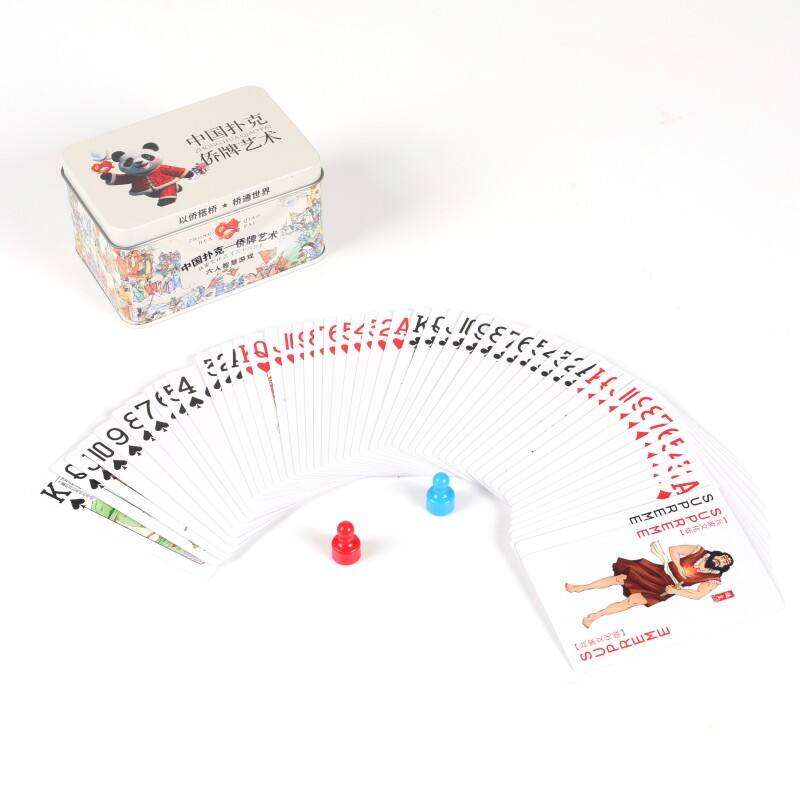
The world of poker card printing has undergone a remarkable transformation over the past several decades. What once relied entirely on mechanical presses and limited ink systems has now evolved into a sophisticated, technology-driven process that delivers exceptional results. Understanding this evolution helps designers, game publishers, and businesses make smarter decisions when sourcing poker card printing services today.
Modern poker card printing now encompasses a wide spectrum of techniques, from classic offset lithography to cutting-edge digital UV printing. Each stage of this evolution has introduced new capabilities, tighter quality control, and broader creative freedom. Whether you are producing a standard 52-card deck or a fully custom anime-themed set, the method of poker card printing you choose directly shapes the final product's look, feel, and durability.
The Foundations of Traditional Poker Card Printing
Offset Lithography and Its Role in Poker Card Printing
For most of the twentieth century, offset lithography was the dominant method in poker card printing. This process transfers ink from a plate to a rubber blanket, then onto the card stock. Traditional poker card printing using offset methods produced consistent results at high volumes, making it the preferred choice for large manufacturers. The technique allowed for rich, layered colors and was well-suited to the standardized designs that defined classic poker card printing for generations.
However, traditional poker card printing had clear limitations. Setup costs were high because each print run required custom plates. This made short-run poker card printing economically unfeasible for small publishers or independent game designers. Additionally, the poker card printing process offered little flexibility for last-minute design changes, as any modification required new plates and extended lead times.
Paper Stock and Finishing in Early Poker Card Printing
Early poker card printing relied heavily on blue-core or black-core paper stock to prevent light from passing through the cards during play. Finishing options in traditional poker card printing were limited mainly to gloss or matte lamination applied after the press run. While functional, these finishes could not achieve the tactile depth or visual complexity that modern poker card printing now offers. The gap between what designers envisioned and what traditional poker card printing could deliver remained significant for years.
The Shift Toward Digital Poker Card Printing
How Digital Technology Transformed Poker Card Printing
Digital poker card printing emerged as a practical alternative when high-resolution inkjet and laser technologies matured in the early 2000s. Unlike offset, digital poker card printing requires no physical plates, which dramatically reduced setup costs and turnaround times. Small batches became viable, and poker card printing for independent creators, board game designers, and promotional campaigns suddenly became accessible. Digital poker card printing also enabled print-on-demand models, allowing publishers to order exactly the quantity they needed without maintaining large inventories.
The precision of digital poker card printing improved color accuracy and consistency across large runs. Each card in a digital poker card printing run can technically carry a unique design, opening doors for personalized decks and variable-data poker card printing applications. This flexibility fundamentally changed the economics and creative scope of poker card printing across the industry.
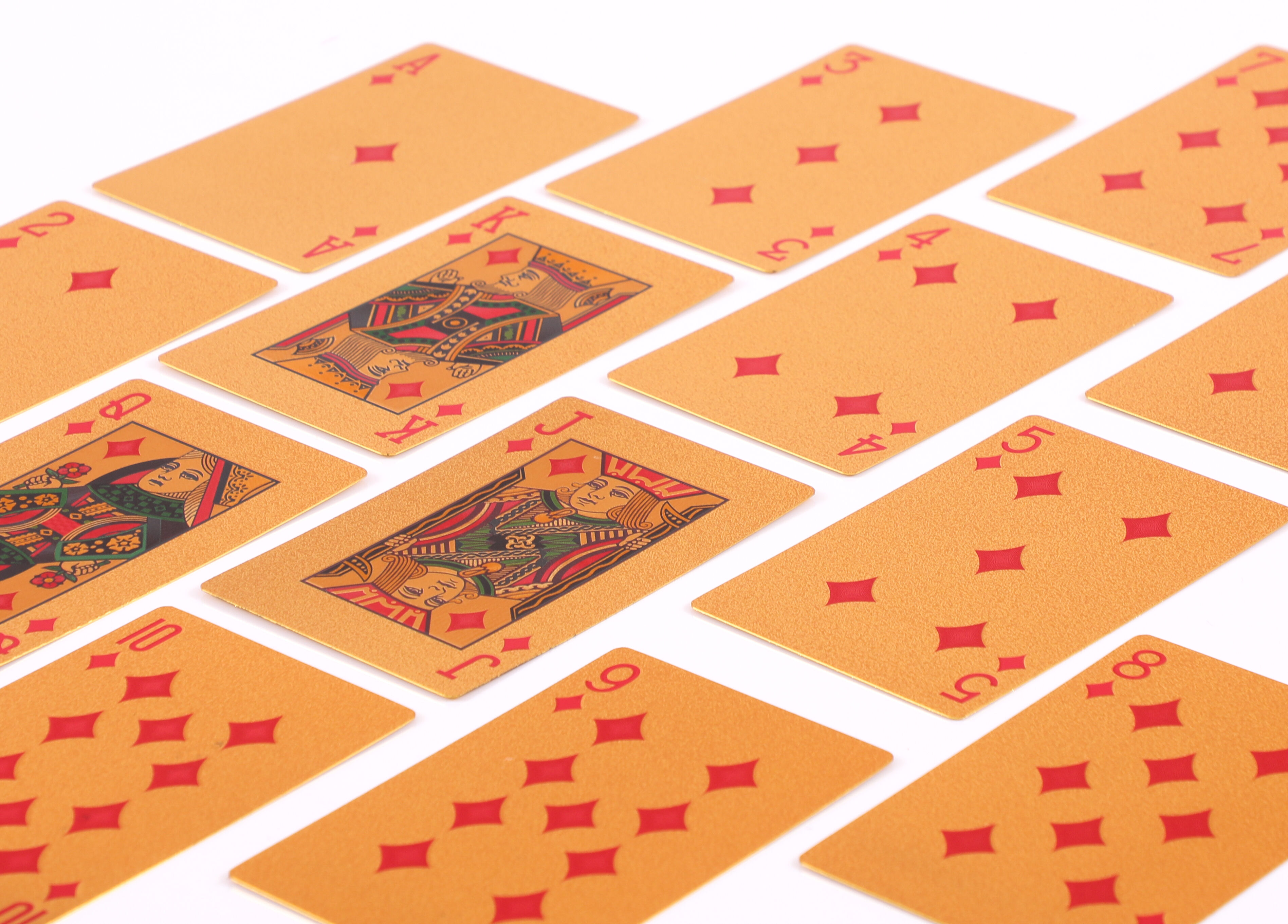
Quality Benchmarks in Modern Digital Poker Card Printing
Modern digital poker card printing systems produce output at resolutions exceeding 1200 DPI, capturing fine gradients, intricate line work, and photographic imagery with precision. Color management in digital poker card printing has also improved significantly, with ICC profiles and calibrated workflows ensuring that the poker card printing output matches the original digital artwork closely. For custom game publishers, this reliability in digital poker card printing removes much of the uncertainty that plagued earlier production runs.
Digital UV Poker Card Printing and the Current Standard
What Makes Digital UV Poker Card Printing Different
Digital UV poker card printing represents the most advanced stage of this evolution. In digital UV poker card printing, ultraviolet light cures the ink almost instantly as it is applied to the card surface. This instant-cure process in digital UV poker card printing produces sharper edges, more vibrant colors, and a surface that resists scratching, moisture, and fading far better than conventionally dried inks. The result is a poker card printing output that looks premium and performs durably under repeated handling.
Digital UV poker card printing also unlocks special visual effects that earlier poker card printing methods could not achieve. Spot UV effects, holographic foil integration, and textured varnishes are all possible within a digital UV poker card printing workflow. These capabilities are especially valuable for custom anime card sets, collector editions, and branded promotional decks where visual impact is central to the product's value.
Applications and Business Benefits of UV Poker Card Printing
The business case for digital UV poker card printing is strong across multiple segments. Game publishers benefit from the superior durability that digital UV poker card printing provides, reducing returns and customer complaints related to wear. Marketing teams use digital UV poker card printing to create branded promotional decks that leave a lasting impression. Collectors and enthusiasts seek out digital UV poker card printing because it elevates the tactile and visual experience beyond what standard poker card printing delivers. In every scenario, digital UV poker card printing adds measurable value to the finished product.
FAQ
What is the main advantage of digital UV poker card printing over traditional methods?
Digital UV poker card printing offers instant ink curing, which produces sharper detail, more vibrant color, and significantly better durability compared to traditional poker card printing techniques. It also supports special finishes like spot UV and holographic effects that offset poker card printing cannot replicate efficiently.
Is digital UV poker card printing suitable for small print runs?
Yes, digital UV poker card printing is well-suited for both small and large runs. Because it requires no physical printing plates, digital UV poker card printing eliminates high setup costs, making short-run poker card printing economically practical for independent designers and small publishers.
How does paper stock choice affect poker card printing quality?
Paper stock is a critical variable in poker card printing quality. Blue-core and black-core stocks are standard in professional poker card printing because they prevent light bleed and improve opacity. Pairing a quality core stock with digital UV poker card printing maximizes both the visual appeal and the durability of the finished cards.