
 EN
EN



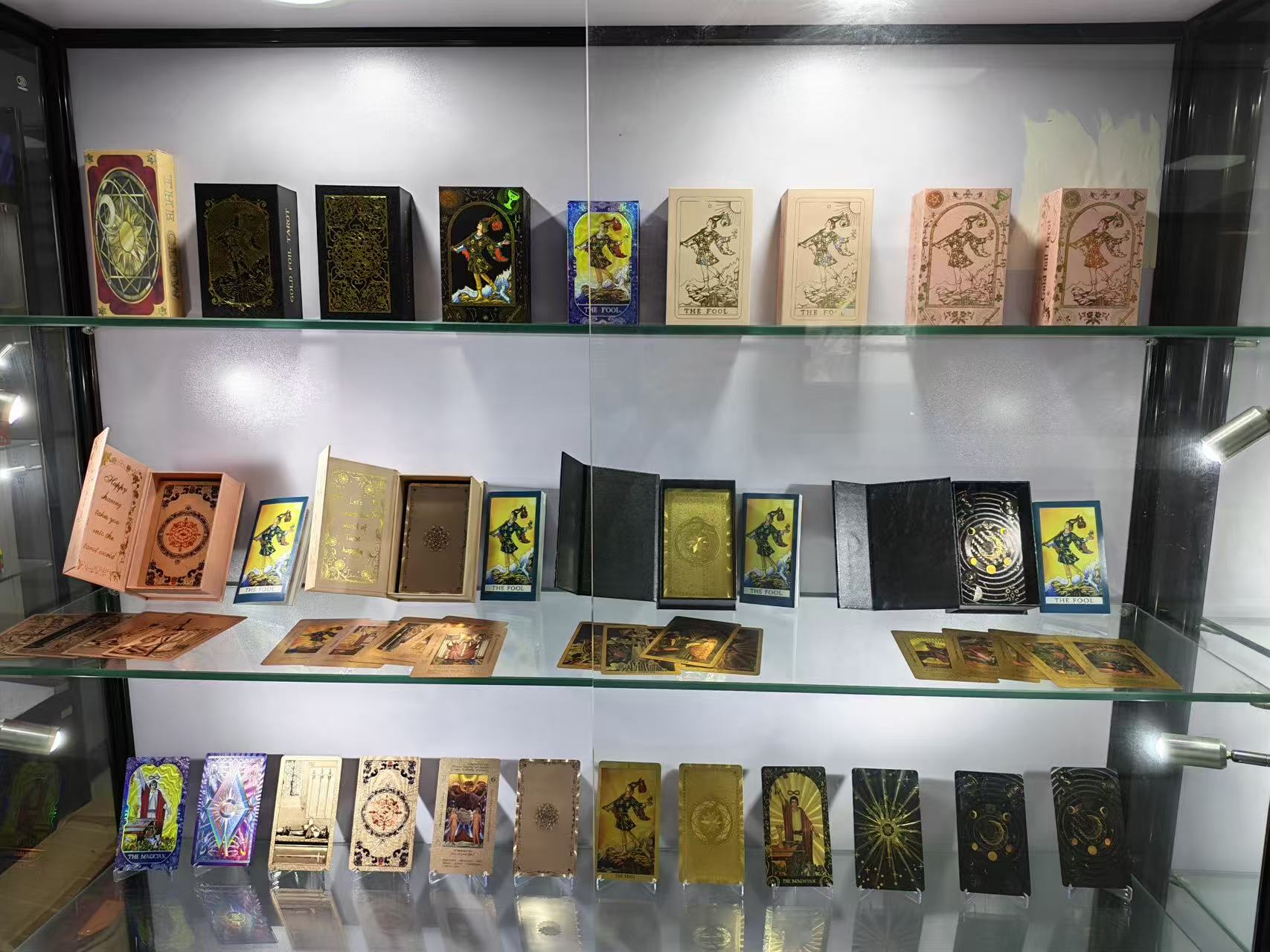
Holographic edges on tarot cards represent one of the most visually striking enhancements available to card manufacturers and collectors alike. The shimmering, light-reactive finish transforms standard tarot decks into premium collectible items that command attention and higher market value. Understanding how to achieve holographic edges on tarot cards requires knowledge of specialized printing techniques, material selection, and quality control processes that distinguish professional productions from amateur attempts.
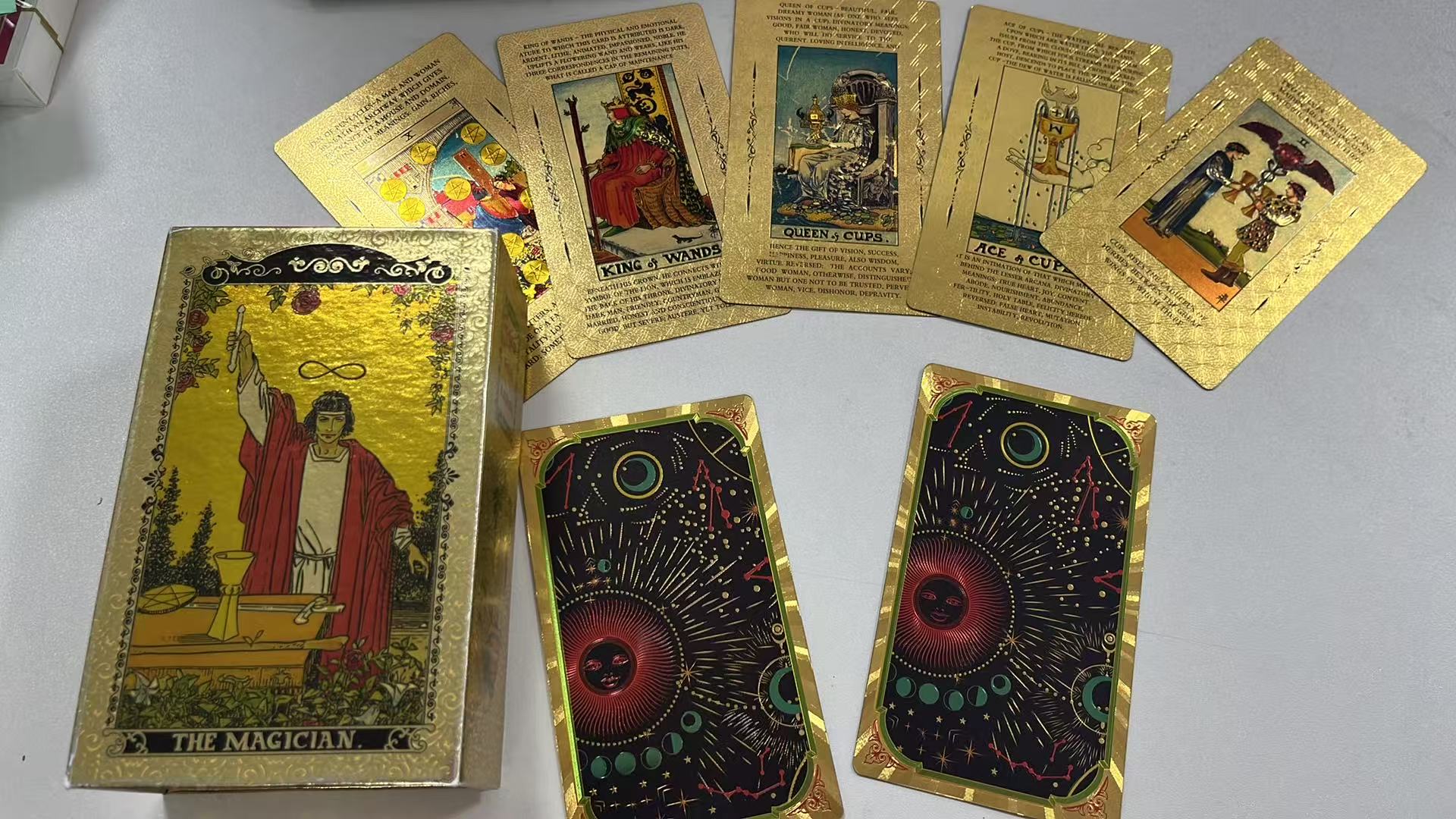
Creating holographic edges on tarot cards involves multiple printing stages, specialized coatings, and precision equipment that work together to produce the final lustrous effect. Whether you're a professional printer exploring premium card options or a tarot enthusiast considering a custom deck, mastering this technique opens doors to differentiated products in a competitive market. This guide walks you through the complete process of adding holographic edges on tarot cards, from initial material selection through final quality verification.
Understanding Holographic Effects and Material Selection
What Makes Holographic Edges on Tarot Cards Effective
Holographic edges on tarot cards work by reflecting light at different angles, creating color shifts and dimensional depth that capture viewers' eyes instantly. The effect relies on microscopic prismatic structures embedded in specialized coating materials that bend and refract light waves. When light hits holographic edges on tarot cards, it bounces through these structures and produces rainbow hues and iridescent patterns that vary based on viewing angle and light source intensity.
The appeal of holographic edges on tarot cards extends beyond aesthetics into perceived value and collectibility. Tarot enthusiasts actively seek decks with premium visual enhancements, and holographic edges on tarot cards justify higher price points through demonstrable quality and craftsmanship. Professional makers understand that holographic edges on tarot cards differentiate their products in saturated markets where basic cardstock and standard finishes no longer command premium pricing.
Selecting Base Materials and Holographic Coatings
The foundation for successful holographic edges on tarot cards begins with choosing appropriate cardstock. Standard tarot card paper ranges from 250 to 350 GSM, but achieving holographic edges on tarot cards requires premium stock in the 300 to 400 GSM range that provides sufficient durability and surface stability. The cardstock surface must be smooth and evenly coated to ensure uniform adhesion of holographic materials and consistent light reflection across all holographic edges on tarot cards in a deck.
Holographic coating systems come in multiple formulations designed specifically for creating holographic edges on tarot cards. Liquid holographic coatings offer precision application through spraying or brushing, while foil-based holographic films provide pre-formed effects that adhere through pressure or heat. For holographic edges on tarot cards, manufacturers typically choose between water-based holographic emulsions for sustainability or solvent-based formulations for superior durability and color saturation. Each approach to applying holographic edges on tarot cards carries distinct advantages regarding drying time, environmental impact, and final aesthetic quality.
Step-by-Step Printing Process for Holographic Edges
Design Preparation and Edge Masking
Creating holographic edges on tarot cards demands precise design work that clearly identifies which card areas receive the holographic treatment. Most tarot card designs incorporate holographic edges on tarot cards only along the perimeter, creating a frame effect that highlights the card's central artwork. Your design files must include separate layers for holographic application zones, using registration marks and guides to ensure alignment across the entire deck. Misalignment in the holographic edges on tarot cards becomes immediately visible and undermines perceived quality, making precision essential throughout the printing workflow.
Edge masking techniques protect non-holographic areas during application of holographic effects. Traditional tape masking works for small production runs, but professional manufacturers apply holographic edges on tarot cards using digital mask systems that precisely control coating application through programmable spray or roller systems. The masking process directly impacts the final appearance of holographic edges on tarot cards, as any bleed or overspray creates blurred transitions that detract from the crisp, professional finish buyers expect.
Printing, Coating, and Application Sequence
The printing sequence for holographic edges on tarot cards typically follows this order: first, full-color artwork prints onto the cardstock using offset or digital methods. Once initial artwork dries completely, protective base coats apply to prevent solvent interaction between ink layers and subsequent holographic treatments. Applying holographic edges on tarot cards as the penultimate layer allows for optional clear protective topcoats afterward, which enhance durability without compromising the holographic effect. Temperature and humidity control throughout this sequence remains critical, as improper environmental conditions cause adhesion failures and visible defects in holographic edges on tarot cards.
Holographic coating application requires specialized equipment that ensures even distribution and consistent thickness across every card. Automated spray systems deliver holographic edges on tarot cards with superior uniformity compared to manual application methods. The drying phase following holographic coating application proves equally important, as incomplete curing leads to tackiness and adhesion problems that become apparent during packaging and shipping. Professional facilities allocate specific curing times and temperature ranges when applying holographic edges on tarot cards, typically between two to six hours depending on coating formulation and environmental conditions.
Quality Control and Finishing Processes
Inspection Standards for Holographic Effects
Quality control for holographic edges on tarot cards requires trained inspectors who evaluate each card under standardized lighting conditions. Holographic edges on tarot cards must display consistent color transitions, uniform light reflection, and sharp definition along the edge zones without streaks, drips, or uneven coverage. Inspection protocols typically include viewing holographic edges on tarot cards under natural daylight, fluorescent lighting, and LED sources to confirm visual consistency across different lighting environments. Cards failing these holographic edges on tarot cards standards return to remediation processes or recycling, depending on severity.
Durability testing ensures that holographic edges on tarot cards withstand normal handling, shuffling, and storage conditions. Adhesion tests confirm that holographic coating remains bonded to the cardstock substrate under flexing and temperature variation. Scratch resistance evaluations verify that holographic edges on tarot cards maintain their luster through repeated handling. These quality benchmarks directly influence customer satisfaction and repeat purchase rates, making rigorous testing essential for establishing brand reputation.
Protective Topcoats and Edge Sealing
Adding protective topcoats over holographic edges on tarot cards enhances longevity and shields the holographic effect from dust, moisture, and UV fading. Clear matte or gloss finishes both work effectively, though matte topcoats preserve the holographic appearance more clearly by reducing secondary reflections. The topcoat application must not obscure the holographic effect's visual impact, making thickness calibration crucial when applying protective coats over holographic edges on tarot cards. Many premium producers apply topcoats only to the holographic edges on tarot cards while leaving central artwork uncoated, creating tactile and visual contrast that emphasizes the premium treatment.
Edge sealing prevents moisture penetration along the card perimeters, which could compromise adhesion of holographic elements. Proper edge treatments also provide mechanical protection, as the holographic edges on tarot cards face the greatest wear during shuffling and stacking. Professional finishing techniques involve applying edge sealant after holographic coating but before topcoat, creating a moisture barrier that extends the lifespan of holographic edges on tarot cards significantly. This three-layer protection system represents industry best practice for premium tarot card products.
FAQ
How long does the holographic effect last on tarot cards?
Properly manufactured holographic edges on tarot cards can maintain their visual impact for decades when stored appropriately. The durability depends heavily on protective topcoat quality, environmental conditions, and handling practices. Cards stored in stable temperature and humidity conditions with minimal direct sunlight retain holographic properties far longer than those exposed to harsh environmental variations. Premium formulations can preserve holographic edges on tarot cards for fifteen to twenty years or more.
Can holographic edges be added to existing tarot decks?
Adding holographic edges on tarot cards to pre-printed decks proves extremely difficult and typically produces inferior results. The existing surface treatments, varnishes, and inks often resist adhesion of holographic coatings, leading to peeling or incomplete coverage. Professional application of holographic edges on tarot cards requires integration into the original printing workflow, making retrofit applications impractical for most situations. Collectors seeking enhanced decks should commission new printings rather than attempting to modify existing cards.
What production volumes justify holographic edge investment?
Commercial viability of holographic edges on tarot cards generally requires minimum production runs of 1,000 to 5,000 decks to offset equipment setup and material costs. Smaller artisanal producers can achieve holographic edges on tarot cards through contract manufacturers specializing in premium finishes, though per-unit costs remain higher. Break-even analysis for holographic edges on tarot cards should factor in premium pricing potential and target market willingness to pay significantly more for enhanced decks, typically 30 to 50 percent price premiums over standard offerings.