
 EN
EN



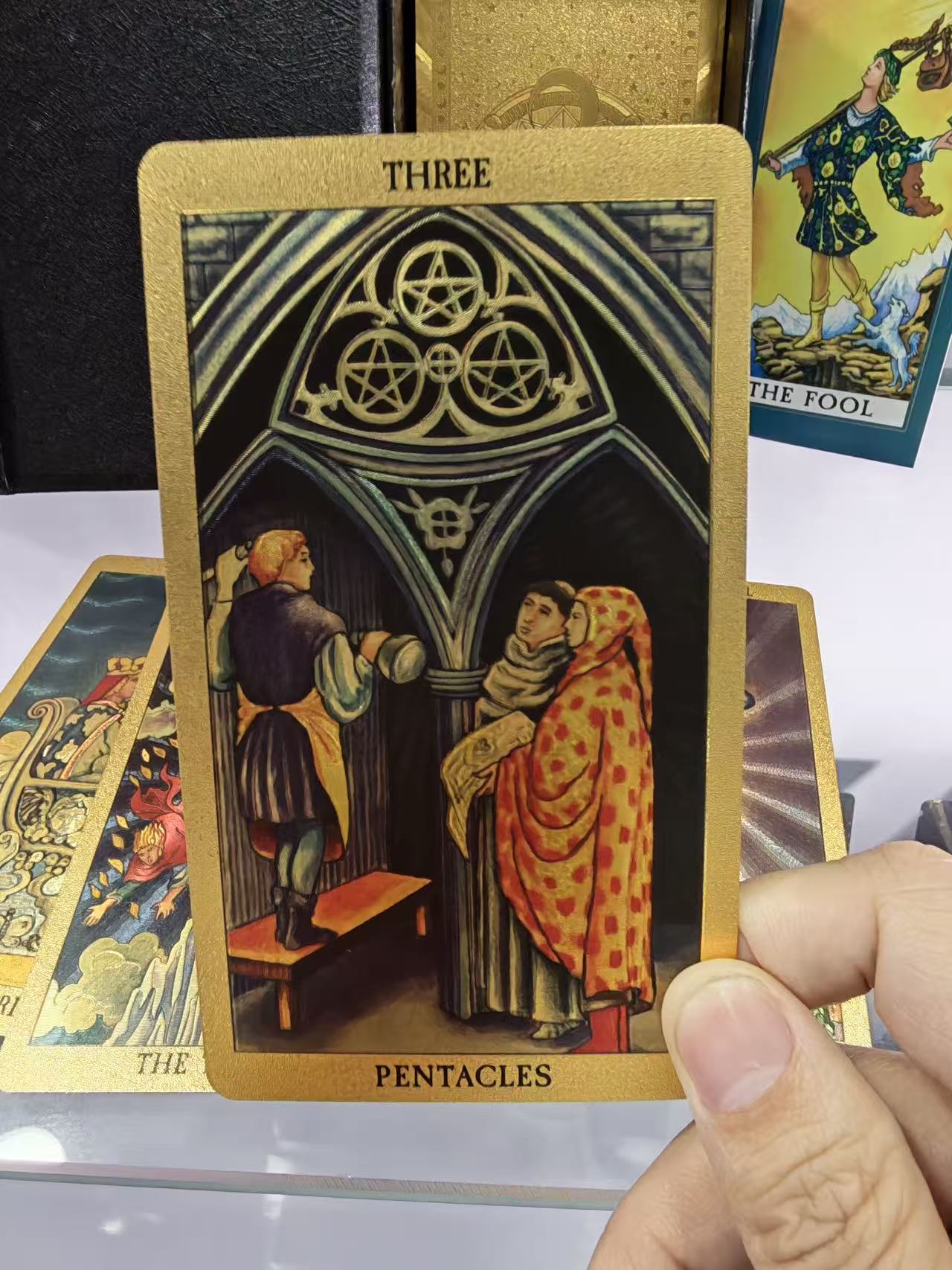
The art of tarot card printing has evolved dramatically over the past decade, transforming from a niche craft into a sophisticated industrial practice. Professional tarot card printing now requires deep understanding of specialized materials, advanced finishing techniques, and rigorous quality standards that distinguish premium decks from mass-market alternatives. Whether you're producing tarot cards for personal use, commercial distribution, or collector editions, understanding the technical foundations of tarot card printing is essential to achieving the aesthetic and tactile quality that serious practitioners and enthusiasts demand.
Successful tarot card printing starts with material selection and culminates in finishing choices that define durability, shuffle-ability, and visual impact. The journey from concept to finished deck involves multiple decision points where technical knowledge directly impacts the final product. Understanding how paper weight, cardstock composition, coating options, and edge treatments work together enables producers to create decks that meet both aesthetic aspirations and functional requirements. This comprehensive guide explores every critical dimension of tarot card printing, helping you navigate material choices, finishing specifications, and quality benchmarks that separate exceptional decks from mediocre ones.
Understanding Core Materials for Tarot Card Printing
Cardstock Selection and Weight Specifications
The foundation of quality tarot card printing begins with cardstock selection, where weight and composition directly determine how cards feel, shuffle, and age over time. Standard tarot card printing employs cardstock ranging from 250gsm to 350gsm, with premium productions often reaching 400gsm or higher. Heavier cardstock provides superior rigidity and longevity, reducing the risk of cards warping, bending, or developing creases during frequent use. The weight specification is critical because lighter stocks often feel flimsy and deteriorate quickly, while excessively heavy cards become difficult to shuffle and expensive to produce at scale.
Beyond raw weight, the fiber composition of cardstock used in tarot card printing significantly influences performance characteristics. Virgin fiber cardstock offers superior brightness, color vibrancy, and durability compared to recycled alternatives, though both are used depending on project requirements and sustainability priorities. Art boards, specifically engineered for premium tarot card printing applications, provide exceptional smoothness and ink receptivity that enhance color saturation and detail reproduction. The choice between coated and uncoated bases represents another foundational decision in tarot card printing, each offering distinct visual and tactile properties that appeal to different user preferences and aesthetic philosophies.
Ink and Color Considerations in Tarot Card Printing
Color fidelity remains paramount in tarot card printing because the symbolic and mystical significance of tarot imagery depends on accurate color reproduction. Professional tarot card printing processes use CMYK color separation or extended color gamuts to achieve precise hue matching across large production runs. The relationship between substrate color, ink opacity, and underlying cardstock brightness creates complex interactions that tarot card printing specialists must carefully manage to ensure consistent results across entire print runs. Premium inks formulated specifically for tarot card printing applications offer superior light-fastness, preventing color degradation or fading during years of use and storage.
Metallic and specialty inks represent advanced options within tarot card printing that elevate visual sophistication and perceived value. Gold foiling, silver accents, and iridescent elements add dimensional quality and luxury perception that standard four-color printing cannot achieve. However, these specialty applications in tarot card printing require precise registration, specialized equipment, and higher cost structures that producers must weigh against market positioning and target audience expectations. Understanding how different ink formulations interact with various cardstock surfaces forms a critical technical foundation for executing sophisticated tarot card printing projects successfully.
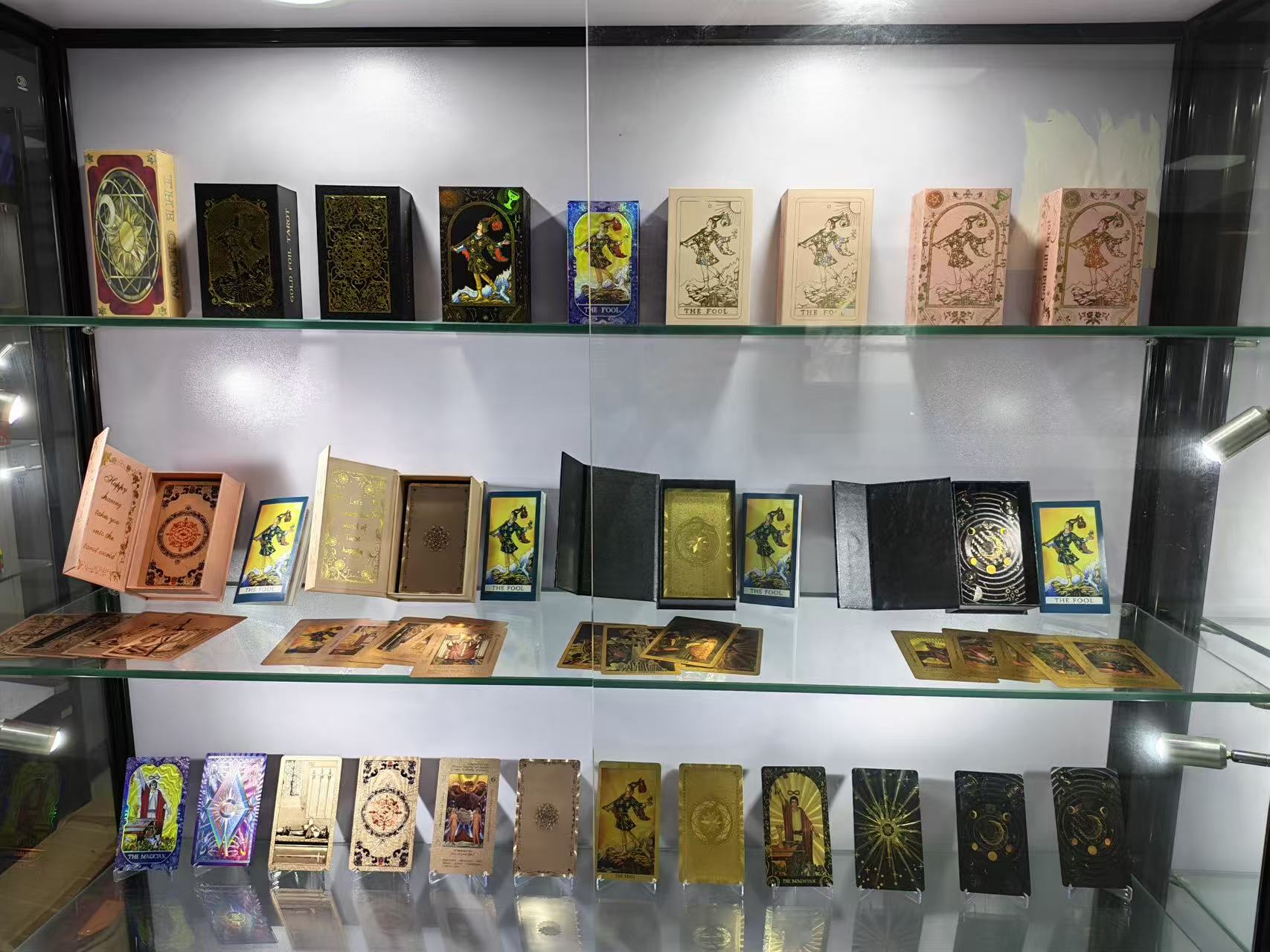
Finishing Techniques That Define Premium Tarot Card Printing
Coating and Surface Treatments
Surface coating represents one of the most consequential finishing decisions in tarot card printing, directly affecting tactile experience, durability, and visual presentation. Matte coating produces a non-reflective surface that reduces glare and conveys sophistication and mystique, making it the preferred choice for many contemporary tarot card printing projects. Gloss coating enhances color vibrancy and depth perception, creating striking visual impact but introducing reflectivity that some practitioners find distracting during readings. Silk or satin coatings offer middle-ground characteristics, combining modest gloss levels with reduced reflectivity while maintaining excellent color reproduction in tarot card printing applications.
The protective function of coating in tarot card printing cannot be overlooked, as surface treatments create barriers against moisture, oils, dust, and general environmental degradation. Spot coating techniques, where varnish is applied selectively to image areas rather than entire card surfaces, provide cost-effective enhancement options within tarot card printing projects. Aqueous coatings offer eco-friendly alternatives to traditional plastic-based varnishes, aligning with sustainability priorities while maintaining adequate protection. The thickness and formulation of coating applied during tarot card printing determine long-term durability, water resistance, and whether cards maintain their appearance after years of handling and storage.
Edge Treatment and Card Finishing
Edge treatment represents a subtle but highly noticeable element of premium tarot card printing that dramatically influences tactile quality and perceived value. Gilded edges, where the card perimeter receives gold, silver, or specialty-color coating, create visual elegance and luxury impression that enhances tarot card printing projects substantially. Rounded corners prevent the sharp edges inherent to standard rectangular cuts, improving comfort during shuffling and reducing visible wear on card corners over extended use of the tarot card printing product. Precise cutting and finishing determine whether card decks feel professional and refined or rough and amateurish, making these operations critical within tarot card printing workflows.
Special finishing techniques employed in high-end tarot card printing include embossing, debossing, and dimensional texturing that add tactile sophistication beyond standard flat printing. Embossed elements on card faces create raised surfaces that catch light and engage tactile sensation during shuffling, enhancing the interactive experience of tarot card printing decks. Foil stamping combines metallic application with dimensional effects, creating effects that standard tarot card printing processes cannot achieve. These advanced finishing options require specialized equipment, skilled operators, and extended production timelines, factors that producers must consider when balancing aesthetic aspirations with operational feasibility in their tarot card printing operations.
Quality Standards and Specifications in Tarot Card Printing
Consistency and Color Management
Achieving consistency across large production runs represents one of the most challenging aspects of professional tarot card printing, requiring rigorous quality control protocols and calibrated equipment. Color deviation between cards within a single deck creates obvious defects that undermine professional presentation and user satisfaction, making consistent tarot card printing output a non-negotiable requirement. Spectrophotometric measurement and digital color matching technologies enable tarot card printing facilities to maintain color accuracy within tight tolerances, ensuring visual consistency that meets professional standards. Registration accuracy, where multiple print layers align precisely without visible misalignment, represents another critical quality dimension that separates premium tarot card printing from lower-tier production.
Print resolution and halftone screening directly affect image detail and visual smoothness in tarot card printing applications. Modern tarot card printing facilities employ high-resolution screening patterns that minimize visible dot patterns while maximizing tonal range and fine detail reproduction. Quality assurance protocols in tarot card printing include regular press checks, spectrophotometric analysis, and comparative evaluation of production samples against approved standards, ensuring consistent output throughout entire print runs. Documentation and traceability systems track which production batches meet specification and which require remediation or rejection, maintaining accountability throughout tarot card printing operations.
Durability and Functional Testing
Physical durability testing evaluates how tarot card printing products withstand repeated shuffling, storage, and environmental exposure over extended use periods. Flex testing measures cardstock resistance to cracking and deterioration during repeated bending, while adhesion testing verifies that coating and lamination layers remain bonded under stress conditions. Tarot card printing quality standards often include humidity and temperature cycling tests that simulate real-world storage conditions, ensuring cards maintain dimensional stability and visual integrity across diverse climatic environments. Color fastness evaluation determines whether inks resist fading from light exposure, moisture exposure, and general aging, critical for decks intended for display or long-term archival storage.
Shuffle-ability and handling characteristics represent functional quality metrics often overlooked in tarot card printing discussions but profoundly important to end-user satisfaction. Card thickness uniformity, achieved through precise caliper control during production, ensures even shuffle response and prevents cards from separating into distinct thickness groups during use. Static characteristics, where cards either cling or slide appropriately depending on surface coating and humidity, significantly influence the tactile experience of tarot card printing products. Professional tarot card printing facilities conduct user testing with practitioners to gather feedback on handling characteristics, informing adjustments to cardstock selection, coating type, and edge finishing that directly impact functional performance and user satisfaction.
FAQ
What cardstock weight is best for tarot card printing?
Premium tarot card printing typically uses 310gsm to 350gsm cardstock, balancing rigidity, shuffle-ability, and cost considerations. This weight range provides sufficient durability for cards to withstand years of frequent use while remaining manageable to shuffle. Lower weights around 250gsm work for budget productions but feel thin and deteriorate faster. Higher weights above 350gsm create premium feel but increase production costs and make shuffling more challenging. The optimal tarot card printing specification depends on your target market, production budget, and intended usage intensity.
How does coating affect tarot card printing quality?
Coating in tarot card printing protects against moisture, oils, and environmental damage while influencing tactile experience and visual appearance. Matte coating creates sophisticated, mystical presentation preferred by many tarot enthusiasts, while gloss coating enhances color vibrancy and visual impact. Satin finishes offer balanced characteristics combining modest gloss with reduced reflectivity. The coating formulation and thickness determine long-term durability and whether tarot card printing products maintain appearance and function after extended use. Choosing appropriate coating aligns tarot card printing output with aesthetic goals and functional requirements.
What quality control measures ensure consistent tarot card printing?
Professional tarot card printing employs spectrophotometric color measurement, registration accuracy monitoring, and physical durability testing to maintain quality standards. Press checks throughout production runs catch color deviations, registration issues, and coating inconsistencies before completion. Testing protocols evaluate cardstock thickness uniformity, coating adhesion, color fastness, and shuffle characteristics to verify that finished tarot card printing products meet specifications. Documentation systems track production batches, quality metrics, and any deviations from standard, enabling accountability and continuous improvement in tarot card printing operations.