
 EN
EN



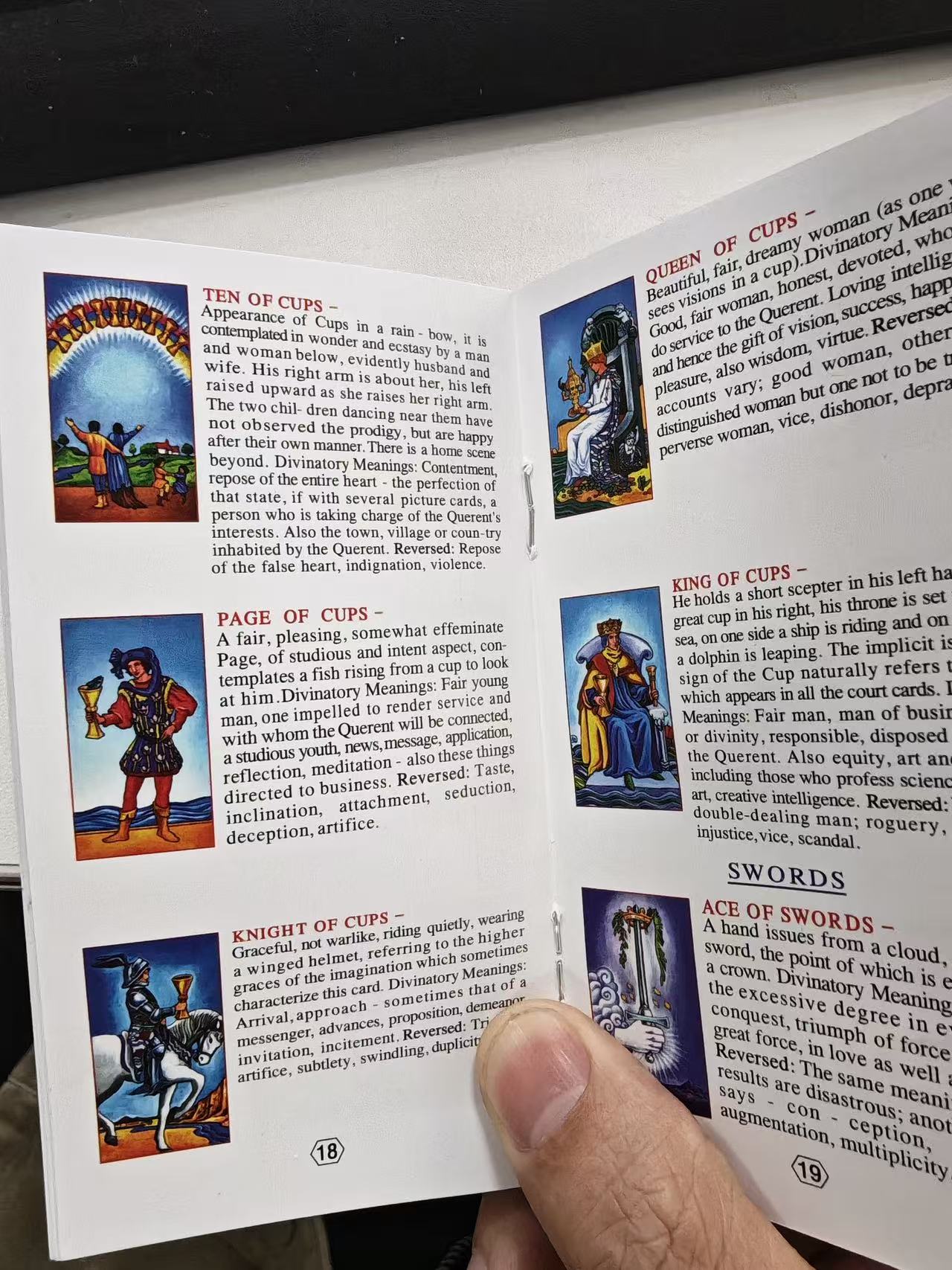
Creating and sharing your own tarot deck is one of the most rewarding journeys an artist can take in the mystical community. Whether you've spent months developing a unique artistic vision or perfecting the symbolism behind each card, learning how to self-publish tarot cards opens doors to creative freedom and direct audience connection. Unlike traditional publishing routes that demand agent representation and lengthy negotiations, self-publishing tarot cards empowers you to control every aspect of your deck's creation, from design specifications to pricing strategy.
The indie publishing landscape has transformed dramatically over the past decade, making it easier than ever to bring your tarot vision to market. Today's technology and print-on-demand services mean you no longer need massive upfront capital or warehouse space to self-publish tarot cards professionally. Artists worldwide are successfully launching their own decks, building engaged followings, and generating sustainable income by understanding the complete workflow from concept through customer fulfillment. This guide walks you through every essential step.
Understanding Your Design Foundation Before You Self-Publish Tarot Cards
Establishing Your Artistic Style and Deck Concept
Before you self-publish tarot cards, you must establish a clear artistic identity and conceptual framework for your deck. This means defining your visual style—whether minimalist, maximalist, traditional, contemporary, or completely experimental—and ensuring consistency across all seventy-eight cards. Your deck concept should answer critical questions: What makes your interpretation unique? Who is your primary audience? What emotional or spiritual experience do you want users to have? When artists skip this foundational work and rush to self-publish tarot cards without answering these questions, their decks often struggle to find an audience.
Document your artistic decisions in a style guide before beginning card creation. This guide should include color palettes, typography choices, symbolism interpretations, and any recurring design elements. When you self-publish tarot cards with a cohesive visual language, collectors recognize and trust your work immediately. Spend time researching successful indie decks in your chosen aesthetic direction to understand market expectations while maintaining your authentic voice.
Developing Your Card Content and Messaging
The most successful artists who self-publish tarot cards invest substantial effort in their interpretive content. You'll need clear, compelling meanings for the Major Arcana, Minor Arcana, and court cards, plus custom card descriptions that differentiate your deck from others. Many indie creators self-publish tarot cards alongside comprehensive guidebooks that explain their unique interpretive framework and spiritual philosophy. This content becomes a significant value differentiator in the market.
Consider how you want to present card meanings—traditional frameworks, modern interpretations, shadow work approaches, or completely original systems all work for different audiences. When you self-publish tarot cards with thoughtfully developed content that serves your target community, you build deeper customer loyalty and encourage repeat purchases of guidebooks, companion products, and future deck releases.
Technical Requirements and Production Setup for Self-Publishing Tarot Cards
Selecting the Right Printing Partner and Specifications
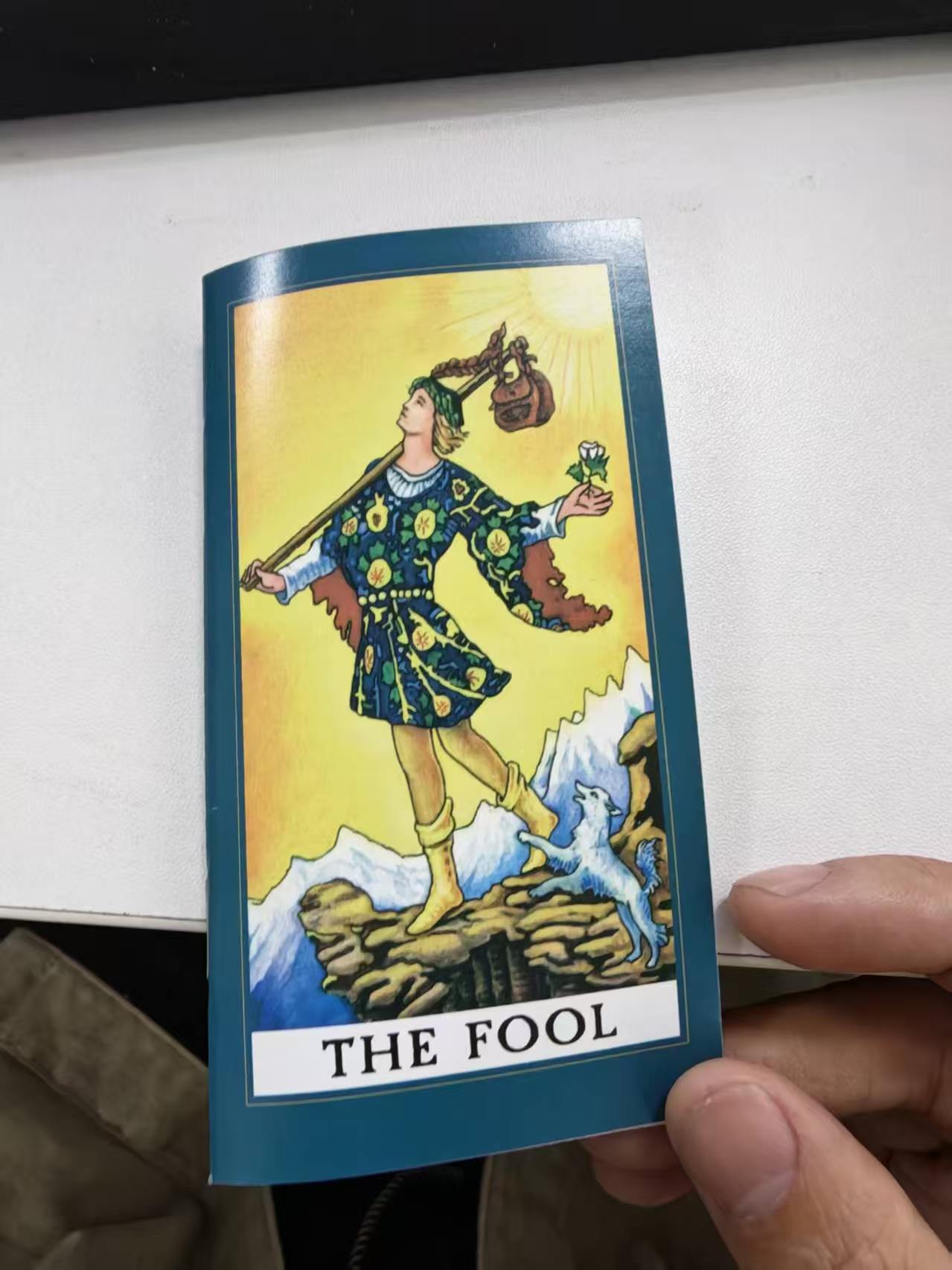
Successfully bringing your vision to life when you self-publish tarot cards depends heavily on choosing the right printing partner. You'll need to evaluate card dimensions, stock quality, finish options, and minimum order quantities. Standard tarot cards measure approximately 2.75 by 4.75 inches, though some indie artists intentionally deviate for unique experiences. When you self-publish tarot cards, you can choose from premium art paper stocks, specialty linen finishes, or eco-friendly cardstock depending on your brand positioning and budget.
Print-on-demand services offer flexibility for artists testing market response before investing in larger print runs, while traditional offset printing provides better per-unit economics at higher volumes. Many successful indie creators who self-publish tarot cards start with POD services to validate demand, then transition to offset runs once they've established sales velocity and customer feedback. Box design, packaging, and unboxing experience matter significantly in the tarot market, so factor these costs into your production planning.
File Preparation and Quality Assurance Processes
Before you self-publish tarot cards, you must prepare production-ready files that meet printing specifications precisely. This means understanding color space requirements (typically CMYK for print), resolution standards (300 DPI minimum), bleed zones, and trim marks. Sloppy file preparation is one of the most common reasons indie artists report disappointment when they self-publish tarot cards for the first time, resulting in color shifts, cropping issues, or blurry artwork.
Order test prints and conduct thorough quality checks before committing to full production runs. Examine color accuracy, card stock feel, print sharpness, and box construction. When you self-publish tarot cards responsibly, you verify that production samples match your vision before customers receive their decks. This diligence protects your reputation and prevents costly reprints that damage margins and brand trust.
Distribution Channels and Building Market Presence After You Self-Publish Tarot Cards
Online Retail and Direct-to-Customer Strategies
Once you self-publish tarot cards, multiple distribution avenues become available to reach your audience. E-commerce platforms like Etsy, Shopify, and Amazon offer built-in traffic and credibility, though they each charge transaction fees and require ongoing SEO optimization. Many successful indie creators who self-publish tarot cards use their own Shopify stores as their primary sales channel while maintaining secondary presence on marketplace platforms for discoverability.
Direct sales through your website allow you to build customer relationships, capture email addresses, and maximize profit margins. When you self-publish tarot cards with effective website conversion optimization—quality product photography, compelling card descriptions, customer testimonials, and clear value propositions—you create a sustainable revenue model independent of algorithm changes. Consider offering exclusive limited editions or first-access sales to email subscribers as a loyalty incentive.
Social Media Marketing and Community Building
Social platforms have become essential for artists who self-publish tarot cards, offering free visibility channels that traditional publishers couldn't provide. Instagram, TikTok, and Pinterest are particularly effective for the tarot community, where visual content performs well and audiences actively seek new deck discoveries. Successful indie creators who self-publish tarot cards build engaged communities through behind-the-scenes process content, card readings, artist spotlights, and educational posts about tarot interpretation.
Consistency in posting schedules and authentic community engagement matter more than algorithm favoritism when you self-publish tarot cards. Respond to comments, collaborate with other indie creators, and participate in relevant tarot communities. This organic approach builds genuine customer relationships that translate to reliable sales, positive reviews, and word-of-mouth referrals. Your social presence also serves as proof of concept for retailers and wholesale partners considering stocking your deck.
FAQ
What are the main costs involved when you self-publish tarot cards?
Initial costs typically include artwork development, file preparation, printing setup fees, minimum order quantities, packaging design, and business registration. Print-on-demand services eliminate large minimum orders but charge higher per-unit costs, while offset printing requires significant upfront investment but offers lower per-unit pricing at volume. Most indie creators report initial investment between $500 and $3,000 depending on their chosen production method, however when you self-publish tarot cards through print-on-demand, starting costs can be as low as $200–400.
How long does it typically take to self-publish tarot cards from concept to customer delivery?
The timeline depends on your artistic process and production method. Creating seventy-eight unique card designs usually takes 3–8 months depending on your working speed and artistic experience. File preparation and printing setup typically require 2–4 weeks, with production and shipping adding another 3–6 weeks. When you self-publish tarot cards through print-on-demand services, fulfillment is often faster than traditional printing. Most indie artists should plan 6–12 months total from initial concept to first customer shipment when starting from scratch.
Can you sell tarot decks internationally if you self-publish tarot cards?
Yes, self-publish tarot cards and reach international customers through global print-on-demand services like Printful or Merch by Amazon, which handle logistics from regional warehouses. International shipping through platforms like Etsy or your own store provides additional reach, though shipping costs and international tariffs affect customer purchasing behavior. When you self-publish tarot cards targeting international markets, consider offering regional fulfillment options to reduce shipping times and costs, building stronger customer satisfaction across different geographic regions worldwide.