Tarot Cards for Education - Teaching Tools

Get a Free Quote

Our representative will contact you soon.
Email
Mobile/WhatsApp
Name
Company Name
Message
0/1000

tarot cards for education

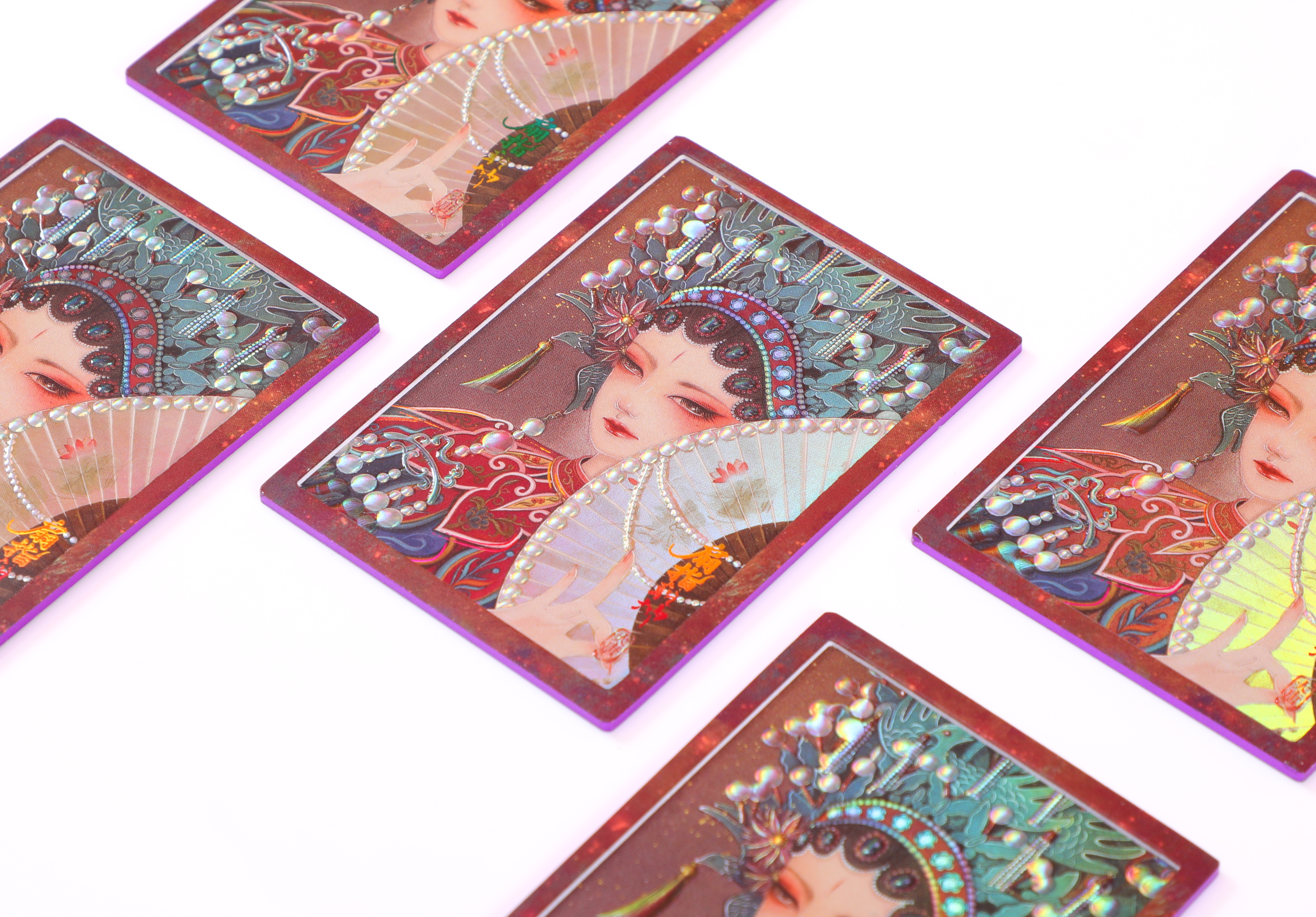
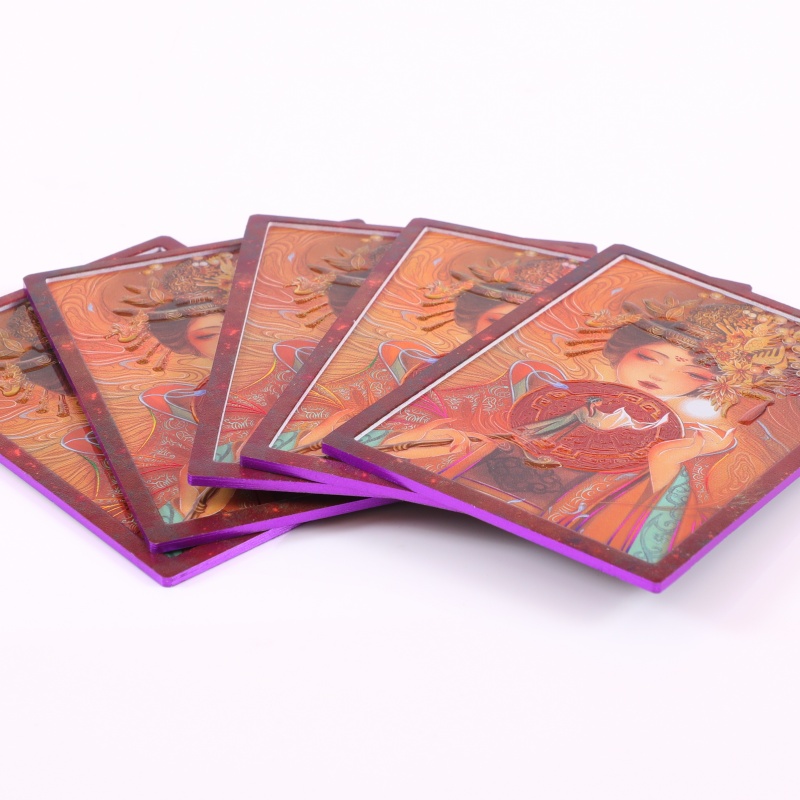
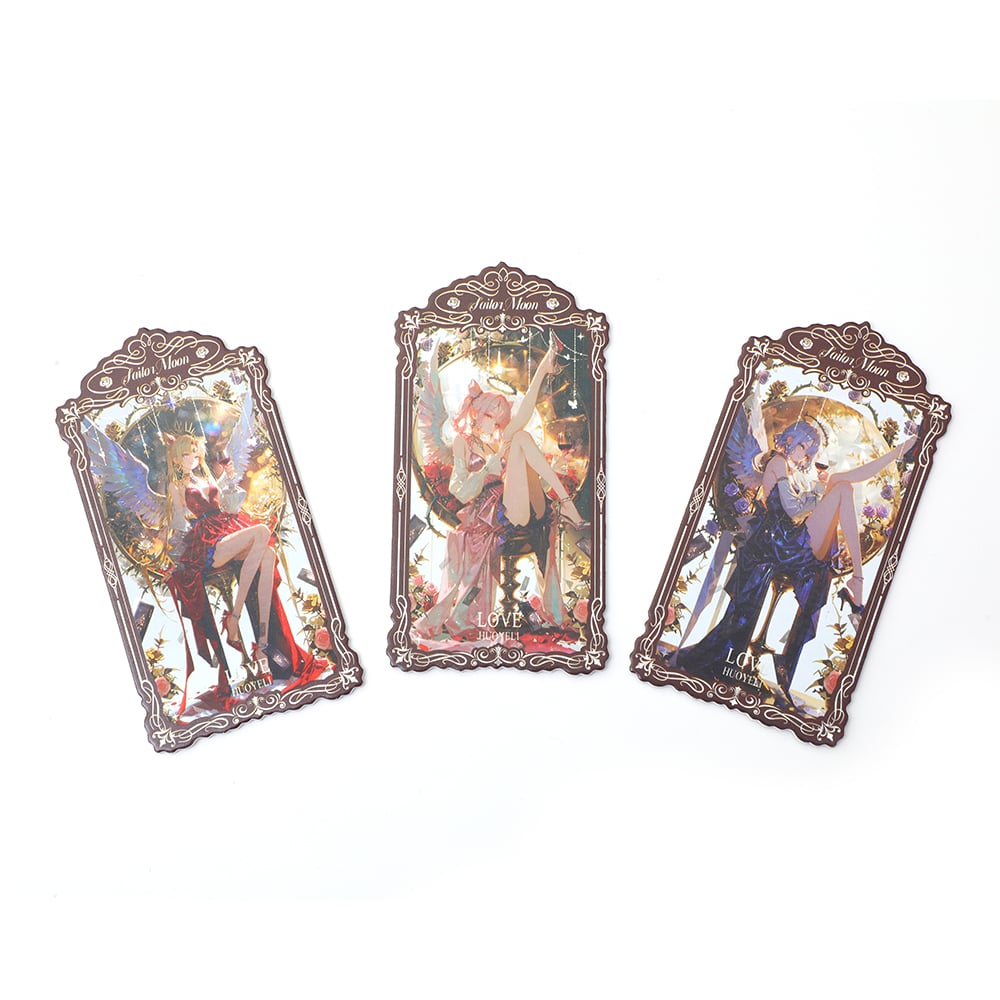
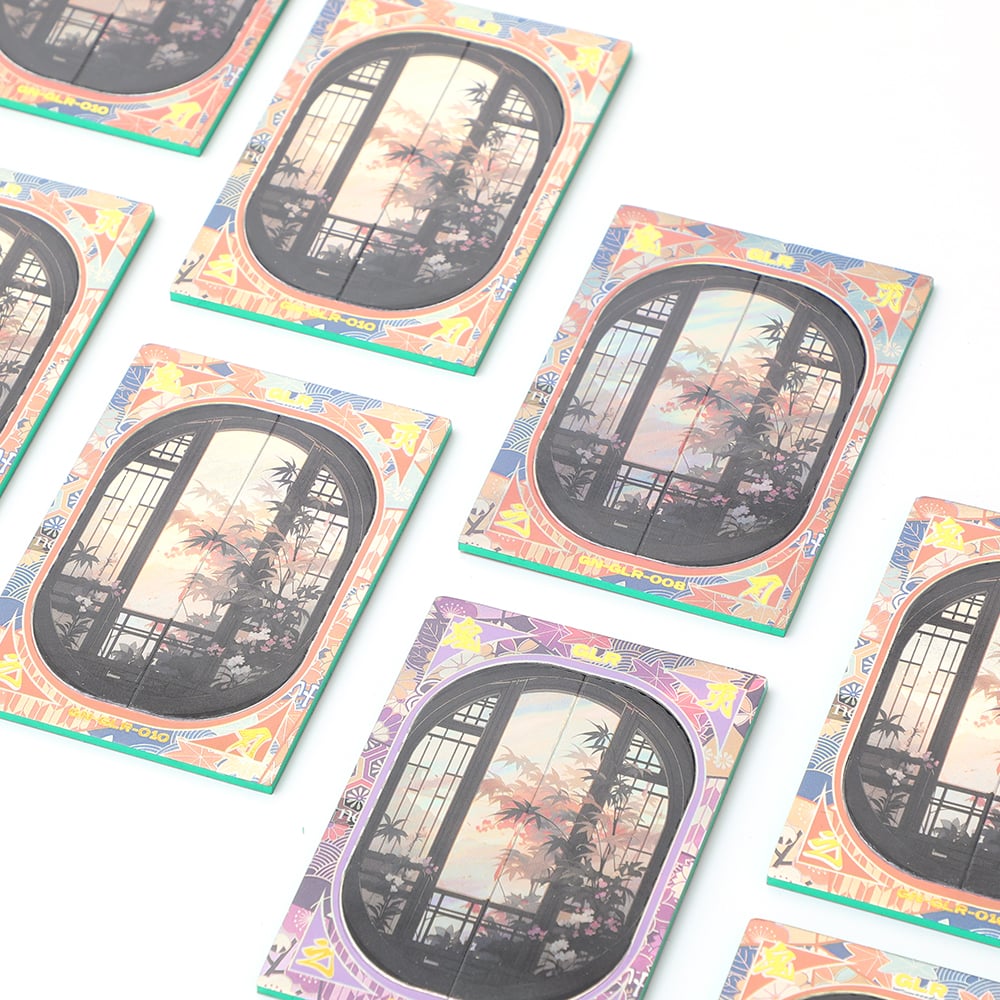
Tarot cards for education represent an innovative teaching tool that combines traditional wisdom with modern learning methodologies. These specially designed educational decks transform the ancient practice of tarot reading into a powerful resource for classroom instruction and student development. Unlike conventional tarot decks used for divination, tarot cards for education focus on building critical thinking skills, emotional intelligence, creative storytelling, and symbolic interpretation. Each card features archetypal imagery and symbolic elements that educators can use to facilitate discussions about literature, psychology, history, mythology, and personal development. The main functions include stimulating creative writing exercises, encouraging visual literacy, promoting self-reflection, and developing analytical thinking abilities. Technological features of modern tarot cards for education often incorporate QR codes linking to digital resources, companion mobile applications, and interactive online platforms that provide lesson plans and activity guides. These educational tools work across multiple subjects including English language arts, social studies, art education, and counseling programs. Teachers utilize tarot cards for education to create engaging icebreaker activities, character development exercises, plot structure analysis, and cultural studies lessons. The cards serve as discussion prompts that help students explore complex themes, examine different perspectives, and articulate abstract concepts. Applications extend beyond traditional classrooms to include homeschooling environments, therapy sessions, youth groups, professional development workshops, and adult education programs where symbolic learning enhances comprehension and retention.

New Products

Using tarot cards for education provides multiple practical benefits that enhance learning outcomes while keeping students engaged throughout lessons. Teachers discover these tools reduce preparation time because the rich symbolism naturally generates discussion topics without requiring extensive scripting. Students who typically struggle with traditional teaching methods respond positively to the visual and narrative elements that tarot cards for education offer, making abstract concepts more accessible and memorable. The hands-on nature of card-based activities increases participation rates, particularly among kinesthetic learners who benefit from physical interaction with educational materials. Educators appreciate how these versatile tools adapt seamlessly across age groups and subject areas, providing excellent value as a multi-purpose classroom resource that remains relevant year after year. The operational benefits include easy storage, simple implementation requiring minimal training, and flexibility to accommodate various class sizes and learning environments. Students develop transferable skills including pattern recognition, symbolic thinking, narrative construction, and interpretive analysis that apply across academic disciplines and real-world situations. Parents and administrators recognize tarot cards for education as culturally enriching tools that expose students to archetypal storytelling traditions found throughout world literature and history. The cards create inclusive learning spaces where diverse perspectives receive validation through open-ended interpretation rather than rigid right-or-wrong answers. Decision-makers find these educational tools cost-effective compared to digital alternatives while avoiding screen fatigue concerns. Schools implementing tarot cards for education report improved classroom dynamics, increased creative output, and stronger student engagement during lessons. The tangible nature of physical cards creates memorable learning experiences that students reference long after lessons conclude, demonstrating lasting educational impact that justifies the investment for budget-conscious institutions seeking maximum educational return.

Tips And Tricks

Custom Playing Cards for Magicians: The Secret Behind Perfect Handling

25

May

Custom Playing Cards for Magicians: The Secret Behind Perfect Handling

Every magician knows that the quality of a performance depends as much on the tools as on the technique. When a deck fails to fan smoothly, cuts unevenly, or loses its spring after a few hours of practice, the illusion breaks before it even begins. T...
View More
Why Your Brand Needs Custom Playing Cards for Corporate Gifts

01

Jun

Why Your Brand Needs Custom Playing Cards for Corporate Gifts

In today's competitive business landscape, standing out during corporate gifting season requires more than a branded pen or a generic notebook. custom playing cards have emerged as one of the most strategic, visually striking, and genuinely memorable...
View More
Gold and Silver Foil on Playing Cards: A Manufacturer's Perspective

08

Jun

Gold and Silver Foil on Playing Cards: A Manufacturer's Perspective

When buyers first encounter foil playing cards in a retail display or gift box, the immediate reaction is almost always the same: they look expensive, intentional, and premium. That reaction is not accidental. From a manufacturer's perspective, the a...
View More
Waterproof Poker Cards: The Magic of Plastic Sheet Printing

26

Jun

Waterproof Poker Cards: The Magic of Plastic Sheet Printing

When you pick up a deck of waterproof poker cards, you are holding the result of a highly specialized manufacturing process called plastic sheet printing. Unlike traditional paper-based card production, plastic sheet printing fuses ink, color, and st...
View More

Get a Free Quote

Our representative will contact you soon.
Email
Mobile/WhatsApp
Name
Company Name
Message
0/1000

tarot cards for education

Versatile Cross-Curricular Learning Tool

Versatile Cross-Curricular Learning Tool

Tarot cards for education excel as cross-curricular teaching resources that seamlessly integrate into diverse subject areas throughout the academic year. English teachers employ these cards to explore character archetypes, analyze narrative structures, and inspire creative writing assignments where students craft original stories based on card combinations. History instructors use the imagery to examine cultural symbols across civilizations, comparing how different societies represented similar concepts through visual storytelling. Art educators leverage the detailed illustrations to teach design principles, color theory, and symbolic representation while encouraging students to create their own interpretive artwork. Psychology and counseling professionals find tarot cards for education particularly valuable for facilitating discussions about personality types, emotional states, and personal growth journeys in age-appropriate contexts. The adaptability extends to special education settings where visual learning supports students with different cognitive processing styles. Mathematics teachers even incorporate the cards into probability lessons and pattern recognition exercises. This remarkable versatility means one educational investment serves multiple departments and teaching objectives, making tarot cards for education an economically smart choice for schools maximizing limited budgets while providing teachers with fresh, engaging materials that prevent curriculum stagnation.
Enhanced Emotional Intelligence Development

Enhanced Emotional Intelligence Development

Implementing tarot cards for education significantly contributes to students' emotional intelligence growth by providing structured opportunities to identify, discuss, and understand complex feelings within safe classroom environments. The archetypal images depicted on educational tarot decks represent universal human experiences including triumph, challenge, growth, connection, and transformation that students recognize from their own lives. When teachers facilitate card-based activities, students practice naming emotions, exploring motivations behind behaviors, and considering multiple perspectives on situations, all essential components of emotional literacy. This process helps young learners develop empathy by imagining themselves in scenarios represented by different cards and discussing how various characters might feel or respond. Tarot cards for education create natural entry points for conversations about difficult topics that students might otherwise struggle to articulate, giving them visual anchors for abstract emotional concepts. Counselors and social-emotional learning specialists particularly value these tools for small group work addressing conflict resolution, self-awareness, and relationship skills. The non-threatening nature of discussing card imagery rather than personal situations directly allows students to explore sensitive topics with appropriate emotional distance. Regular use of tarot cards for education builds students' emotional vocabulary, increases their comfort discussing feelings, and strengthens their ability to regulate responses to challenging situations, contributing to healthier classroom communities and better-prepared individuals.
Immediate Engagement and Active Participation

Immediate Engagement and Active Participation

Tarot cards for education generate immediate student engagement that transforms passive listening into active participation from the moment teachers introduce these distinctive learning tools. The visual appeal and mysterious quality of the cards naturally capture student attention, creating curiosity that motivates learners to participate in activities they might otherwise resist. Unlike worksheet-based lessons that students perceive as routine schoolwork, card-based activities feel novel and interactive, triggering heightened focus and enthusiasm. Teachers report that even typically reluctant students volunteer to participate when tarot cards for education appear in lessons, demonstrating the tool's unique ability to overcome participation barriers. The random selection element adds excitement and unpredictability that keeps students mentally present rather than disengaging during predictable lesson structures. This active involvement leads to deeper cognitive processing as students must interpret symbolism, make connections, and articulate observations rather than simply receiving information passively. Group activities using tarot cards for education promote collaborative learning where students build on each other's interpretations, developing communication skills alongside content knowledge. The tactile experience of handling physical cards provides sensory engagement that enhances memory formation and recall. Teachers appreciate how these tools naturally differentiate instruction since open-ended interpretation allows advanced students to explore sophisticated concepts while supporting struggling learners through accessible visual entry points, ensuring all students experience success and remain actively engaged throughout lessons.

Get a Free Quote

Our representative will contact you soon.
Email
Mobile/WhatsApp
Name
Company Name
Message
0/1000