
 EN
EN



Jeder Zauberer weiß, dass die Qualität einer Vorstellung ebenso sehr von den verwendeten Hilfsmitteln wie von der Technik abhängt. Wenn ein Kartendeck sich nicht gleichmäßig auffächern lässt, unsauber geschnitten wird oder nach nur wenigen Übungsstunden an Spannkraft verliert, zerfällt die Illusion, noch bevor sie überhaupt beginnt. Genau deshalb investieren professionelle Darsteller in individuelle Spielkarten statt auf Massenprodukte zurückzugreifen, die einfach vom Ladenregal genommen wurden. Der Unterschied ist nicht rein optisch – er ist mechanisch, haptisch und in hohem Maße praktisch.
Brauch spielkarten, die speziell für Zauberer entwickelt wurden, orientieren sich an einer einzigen Priorität: der Handhabung. Jedes Element – von der Papierstärke und Oberflächenbeschaffenheit über die Präzision des Schnitts bis hin zur Qualität der Kanten – beeinflusst, wie das Kartendeck in den Händen eines Darstellers reagiert. Zu verstehen, was ein gezielt für Zauberer konzipiertes Kartendeck von einem allgemeinen unterscheidet, hilft Zauberern dabei, fundiertere Entscheidungen bezüglich ihrer Werkzeuge, ihres Trainings und letztlich ihrer Bühnenpräsenz zu treffen. Dieser Artikel erläutert die entscheidenden Faktoren, die eine hervorragende Handhabung bei maßgeschneiderten Spielkarten definieren, und erklärt, warum jeder einzelne Faktor für den praktizierenden Zauberer von Bedeutung ist.
Die Grundlage der Handhabung: Kartonstärke und Gewicht
Warum die Auswahl des Kartons das Griffgefühl eines Decks bestimmt
Die Kartonstärke ist der entscheidendste Faktor dafür, wie sich individuell gestaltete Spielkarten bei Fingerfertigkeits-Tricks verhalten. Unter „Stärke“ versteht man das Grundpapier oder das Verbundmaterial, aus dem die Karten hergestellt werden; dessen Eigenschaften bestimmen Steifigkeit, Flexibilität und Haltbarkeit. Eine zu dünne Stärke verbiegt sich unter Druck und verliert schnell ihre Form, während eine zu dicke Stärke steif wird und den fließenden Bewegungen widerspricht, die für fortgeschrittene Flourishes und Kartenkontrollen erforderlich sind.
Die meisten professionellen, individuell gestalteten Spielkarten werden auf einer mehrschichtigen Stärke hergestellt, die Papierlagen mit einem schwarzen inneren Kern kombiniert. Diese Konstruktion verhindert, dass Licht durch die Karte hindurchtritt, wodurch das Publikum bei bestimmten Tricks nicht erkennen kann, wo sich die Karten befinden. Der schwarze Kern verleiht zudem eine subtile Steifigkeit, die saubere Schnalzgeräusche und präzise Schnitte unterstützt, ohne dass das Kartenblatt holzig oder träge wirkt.
Das Gewicht steht in engem Zusammenhang mit der Wahl des Kartonmaterials. Zu leichte Karten fühlen sich unhandlich an und sind bei Luftmanövern oder einhändigen Schnitten schwer zu kontrollieren. Zu schwere Karten ermüden die Hände während längerer Übungsphasen. Das ideale Gewicht für maßgeschneiderte Spielkarten, die für Zauberkunststücke verwendet werden, liegt in einem engen Bereich, der Kontrolle und Komfort optimal ausbalanciert; erfahrene Darsteller können bereits Abweichungen von nur wenigen Gramm pro Karte wahrnehmen.
Wie sich die Konsistenz innerhalb des gesamten Kartendecks auf die Leistung auswirkt
Ein Kartendeck maßgeschneiderter Spielkarten ist nur so gut wie seine am wenigsten konsistente Karte. Selbst wenn nur zwei oder drei Karten in einem 52-Karten-Deck geringfügig andere Dicke, anderes Gewicht oder eine andere Oberflächenstruktur aufweisen, wird das gesamte Deck für fortgeschrittene Techniken unzuverlässig. Inkonsistenzen erzeugen Reibungspunkte beim Riffle-Shuffle, führen zu ungleichmäßigen Fächern und verursachen unvorhersehbaren Widerstand bei Paketschnitten.
Hochwertige maßgefertigte Spielkarten werden mit engen Toleranzen für jede einzelne Karte des Decks hergestellt. Das bedeutet, dass die Stanzen, die Auftragung der Beschichtung sowie der Druckdruck sämtlich kalibriert sind, um von der ersten bis zur letzten Karte ein einheitliches Ergebnis zu erzielen. Für Zauberer, die sich auf das durch Tausende von Wiederholungen eingeübte Muskelgedächtnis verlassen, ist diese Konsistenz keine Luxusausgabe – sie ist eine technische Voraussetzung.
Beim Bestellen maßgefertigter Spielkarten für den Bühneneinsatz lohnt es sich, nach den verwendeten Fertigungstoleranzen und Qualitätskontrollverfahren des Druckers zu fragen. Ein Lieferant, der zu diesen Details keine Auskunft geben kann, ist kaum in der Lage, ein Kartendeck zu liefern, das professionellen Handhabungsstandards genügt.
Oberflächenfinish und seine Rolle bei Fingerfertigkeitstricks
Die Wissenschaft hinter glatter und kontrollierter Bewegung
Die auf maßgeschneiderte Spielkarten aufgebrachte Oberflächenbehandlung bestimmt den Reibungskoeffizienten zwischen den Karten, was direkt beeinflusst, wie sie gleiten, gefächert und springen. Eine zu glatte Oberflächenbehandlung führt dazu, dass die Karten beim Austeilen zu weit rutschen und erschwert das Festhalten während der Palming-Techniken. Eine zu griffige Oberflächenbehandlung erzeugt Reibung, die Flourishes verlangsamt und nahezu unmöglich macht, glatte Einhand-Mischtechniken auszuführen.
Die am meisten geschätzte Oberflächenbehandlung für maßgeschneiderte Spielkarten im Bereich der Zauberkunst ist eine Luftkissen- oder geprägte Oberfläche. Diese Art von Oberfläche erzeugt mikroskopisch kleine Luftpölsterchen zwischen den Karten, reduziert die Flächenkontaktfläche und ermöglicht es den Karten, mit minimalem Widerstand aneinander vorbezugleiten, während gleichzeitig ausreichend taktiler Rückmeldung für präzise Kontrolle gesorgt wird. Das Ergebnis ist ein Kartendeck, das sich wunderschön fächern lässt, sauber springt und auf die feinen Druckvariationen, die professionelles Kartenhandling definieren, vorhersehbar reagiert.
Mattierte Oberflächen bieten ein anderes Handhabungsprofil. Sie verleihen in der Regel mehr Griff und werden von einigen Darstellern für Nahmagie bevorzugt, bei der das Publikum sehr nahe ist und der Zauberer maximale Kontrolle über einzelne Kartenbewegungen benötigt. Glänzende Oberflächen wirken zwar optisch eindrucksvoll, sind jedoch für ernsthafte Zauberkunst generell weniger beliebt, da sie unter Bühnenbeleuchtung rutschig werden können und sich Fingerabdrücke sowie Abnutzungsspuren stärker bemerkbar machen.
Wie Klima und Luftfeuchtigkeit mit der Kartenoberfläche interagieren
Einer der weniger diskutierten Herausforderungen bei individuelle Spielkarten ist, wie Umgebungsbedingungen deren Handhabungseigenschaften beeinflussen. Besonders problematisch ist die Luftfeuchtigkeit. In feuchten Umgebungen nehmen die Karten Feuchtigkeit aus der Luft auf, wodurch der Karton leicht anschwillt und die Oberfläche klebrig wird. Dadurch ändern sich die Handhabungseigenschaften des Kartenstapels in einer Weise, die eine einstudierter Routine stören kann.
Premium-kundenspezifische Spielkarten begegnen diesem Problem durch feuchtigkeitsbeständige Beschichtungen und hochwertige Leinen-Oberflächen, die weniger anfällig für Schwankungen der Luftfeuchtigkeit sind. Einige Darsteller verwenden zudem Kartenconditioner oder talcbasierte Behandlungen, um die Handhabungseigenschaften wiederherzustellen, sobald ein Kartendeck träge zu werden beginnt. Zu verstehen, wie Ihr spezifisches Kartendeck auf Umgebungsveränderungen reagiert, gehört zur professionellen Vorbereitung.
Bei der Gestaltung kundenspezifischer Spielkarten für den regelmäßigen Einsatz bei Vorführungen empfiehlt es sich, eine Oberfläche anzugeben, die unter verschiedenen Luftfeuchtigkeitsbedingungen getestet wurde. Ein Kartendeck, das sich in einem trockenen Studio hervorragend handhaben lässt, aber in einer feuchten Veranstaltungsstätte unbrauchbar wird, ist kein zuverlässiges Darstellungswerkzeug.
Druckqualität und visuelles Design für Bühnenwirkung
Ausgewogenheit zwischen Ästhetik und funktionaler Klarheit
Maßgeschneiderte Spielkarten für Zauberer erfüllen eine doppelte Funktion: Sie müssen sich gut handhaben lassen und optisch überzeugen. Das visuelle Design eines Kartendecks trägt zur gesamten theatralischen Erfahrung bei und kann die persönliche Marke oder Bühnenpersönlichkeit des Darstellers unterstreichen. Allerdings dürfen Gestaltungsentscheidungen niemals die funktionalen Eigenschaften der Karten beeinträchtigen.
Die Druckqualität beeinflusst mehr als nur das Erscheinungsbild. Die Tintendichte, die Registrierungsgenauigkeit und die Farbkonstanz wirken sich sämtlich auf das Haptische und das Verhalten der Karten aus. Eine hohe Tintendichte beim Rückseitendesign kann die Oberflächentextur der Karte leicht verändern, was wiederum beeinflusst, wie die Karten gegeneinander gleiten. Schlecht registrierte Drucke können visuelle Unstimmigkeiten erzeugen, die ein aufmerksamer Zuschauer möglicherweise bemerkt – und damit die Illusion eines Standarddecks durchbrechen.
Hochauflösendes Offsetdruckverfahren mit präzisem Farbmanagement erzeugt individuelle Spielkarten, die sowohl visuell scharf als auch handhabungsneutral sind. Die Tinte liegt sauber auf der Oberfläche auf, ohne eine erhabene Struktur oder eine ungleichmäßige Beschichtungsverteilung zu erzeugen. Für Zauberer, die markierte Kartenstapel oder individuelle Indizes verwenden, ist die Druckgenauigkeit besonders entscheidend – ein falsch ausgerichtetes Markierungszeichen oder ein Index, der unter Bühnenbeleuchtung schlecht lesbar ist, kann dazu führen, dass eine Routine in einem entscheidenden Moment scheitert.
Individuelle Indizes, Augen und Rückseitendesigns für den Bühneneinsatz
Die Größe der Indizes und das Design der Augen auf individuellen Spielkarten wirken sich direkt darauf aus, wie schnell ein Darsteller während einer Routine den Kartenstapel ablesen kann. Standardindizes eignen sich gut für die meisten Anwendungen, doch Zauberer, die aus größerer Entfernung oder bei schwachem Licht auftreten, profitieren häufig von Großindizes, die mit einem kurzen Blick leichter lesbar sind. Individuelle Augendesigns können zudem genutzt werden, um subtile visuelle Hinweise zu schaffen, die für das Publikum unsichtbar, für den Darsteller jedoch sofort erkennbar sind.
Rückseitendesigns auf individuell gestalteten Spielkarten sind ein wirksames Markeninstrument, erfüllen aber auch eine funktionale Rolle. Ein gut gestaltetes Rückseitenmuster kann bestimmte Tricks leichter ausführbar machen, indem es visuelle Tarnung für Kartenbewegungen bietet. Aufwändige, symmetrische Muster sind im Allgemeinen toleranter als einfache oder asymmetrische Designs, wenn es darum geht, die Mechanik eines Tricks zu verbergen.
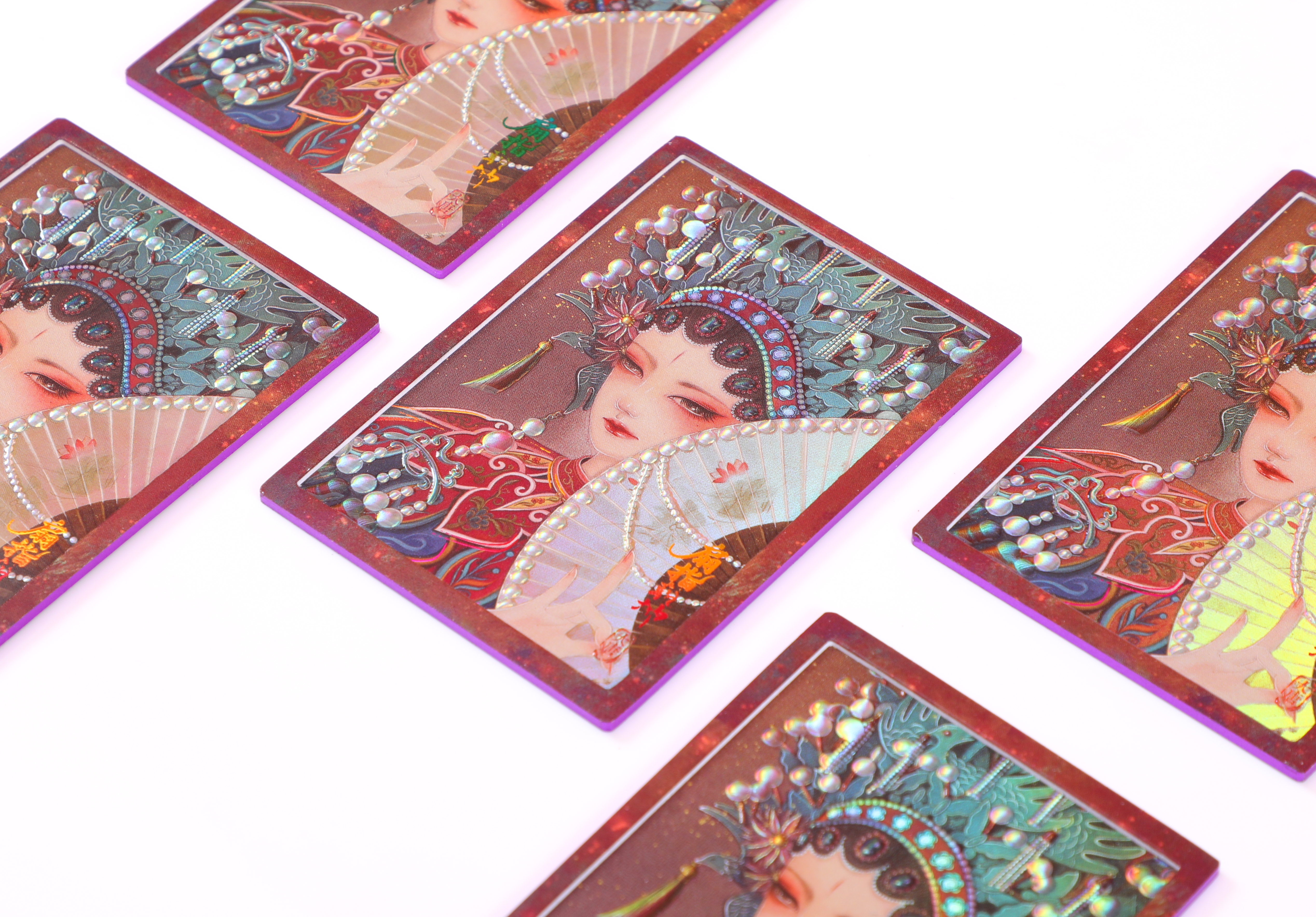
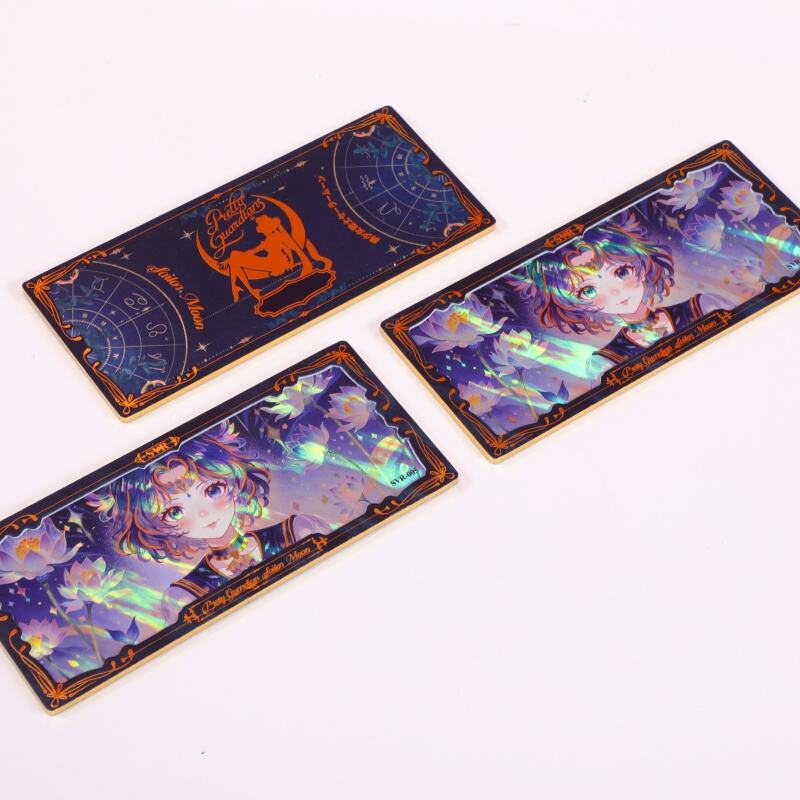
Holographische oder Folien-Elemente auf individuell gestalteten Spielkarten verleihen visuelle Dramatik und können unvergessliche Momente in einer Darbietung schaffen. Diese Oberflächen erfordern eine sorgfältige Integration in das Kartendesign, um sicherzustellen, dass sie das Handling nicht beeinträchtigen. Werden holographische Elemente auf das Rückseitendesign statt auf die Vorderseite aufgebracht, können sie die visuelle Wirkung einer Enthüllung oder Produktion verstärken, ohne die funktionalen Eigenschaften des Kartendecks zu beeinflussen.
Präzision beim Schneiden und Kantenqualität
Warum das Schneiden genauso wichtig ist wie der Druck
Die physischen Abmessungen von individuell gefertigten Spielkarten werden durch den Schneideprozess bestimmt, wobei hier Präzision für ernsthafte Darsteller unverzichtbar ist. Karten, die sogar nur geringfügig nicht rechtwinklig geschnitten sind – also bei denen gegenüberliegende Kanten nicht exakt parallel verlaufen – lassen sich in der Hand nicht korrekt ausrichten, was saubere Breaks, Kontrollen und Passagen erschwert. Selbst eine Abweichung von einem halben Millimeter über ein Deck mit zweiundfünfzig Karten hinweg führt zu einer kumulativen Fehlausrichtung, die einem erfahrenen Kartenhandler sofort auffällt.
Die Kantenqualität bezieht sich auf die Glätte und Gleichmäßigkeit der geschnittenen Kartenkanten. Raue oder faserige Kanten erzeugen Reibung zwischen den Karten und können dazu führen, dass sie beim Mischen oder Auffächern hängen bleiben. Hochwertige individuell gefertigte Spielkarten werden mit scharfen, gut gewarteten Stanzwerkzeugen geschnitten, wodurch saubere, glatte Kanten ohne Gratbildung oder Ausrisse entstehen. Einige Premium-Kartendecks erhalten zudem eine Kantengoldveredelung – bei der die Kanten mit Metallit oder farbiger Folie beschichtet werden –, was sowohl die optische Wirkung verbessert als auch die Kantenoberfläche leicht glättet.
Der Eckradius ist ein weiteres Detail, das das Handling beeinflusst. Karten mit einem kleineren Eckradius wirken präziser und lassen sich nach dem Mischen leichter zu einem ordentlichen Stapel zusammenlegen. Karten mit einem größeren Radius haben ein weicheres Gefühl, das manche Darsteller für bestimmte Close-up-Stile bevorzugen. Bei der Bestellung individueller Spielkarten sollte der Eckradius anhand des geplanten Handlings statt rein nach ästhetischen Vorlieben gewählt werden.
Die Auswirkung der Kartendeck-Größe auf die Handhabungstechnik
Standard-Poker-Karten in individueller Gestaltung haben die Abmessungen 2,5 × 3,5 Zoll; dieses Format ist bei den meisten Zauberkunstanwendungen die Standardeinstellung. Bridge-Karten, die etwas schmaler sind, werden von einigen Darstellern mit kleineren Händen bevorzugt, da sie beim Einhand-Handling einen sichereren Griff ermöglichen. Die Wahl zwischen Poker- und Bridge-Format ist eine persönliche Entscheidung – sie sollte jedoch bewusst und nicht automatisch getroffen werden.
Tarot-große und übergroße individuell gestaltete Spielkarten werden für spezifische Darbietungskontexte eingesetzt, insbesondere für Bühnenzauberei, bei der eine gute Sichtbarkeit aus der Entfernung wichtig ist. Diese größeren Formate erfordern angepasste Techniken und eignen sich nicht für Nahzauberei, bei der das übliche Handhabungsvokabular Anwendung findet. Das Verständnis des Zusammenhangs zwischen Kartenformat und Technik ist entscheidend, wenn individuell gestaltete Spielkarten für einen bestimmten Darbietungskontext in Auftrag gegeben werden.
Einige Zauberer bestellen mehrere Größen desselben individuellen Spielkarten-Designs – ein Standarddeck für Nahmagie und eine vergrößerte Version für Bühnenauftritte. Dieser Ansatz gewährleistet visuelle Konsistenz über verschiedene Aufführungskontexte hinweg und stellt gleichzeitig sicher, dass jedes Deck optimal für seinen vorgesehenen Einsatz geeignet ist.
Bestellung und Spezifizierung von individuellen Spielkarten für professionelle Zwecke
Was Sie Ihrem Drucker mitteilen sollten
Um das Beste aus individuellen Spielkarten herauszuholen, ist eine klare Kommunikation mit dem Hersteller über den vorgesehenen Verwendungszweck erforderlich. Ein Drucker, der sich auf Werbespielkarten spezialisiert hat, versteht möglicherweise nicht die besonderen Anforderungen eines Performance-Decks; daher ist es wichtig, die Prioritäten hinsichtlich des Umgangs mit den Karten ausdrücklich zu benennen. Zu besprechende Schlüsselspezifikationen umfassen Papiergewicht und Aufbau, Oberflächenfinish, Schnitttoleranzen, Eckradius sowie eventuelle Sonderbehandlungen wie Kantengoldauflage oder holographische Elemente.
Es wird dringend empfohlen, vor der Verpflichtung zu einem vollständigen Druckauftrag eine physische Probe oder ein Muster anzufordern. Eine Probe ermöglicht es dem Darsteller, die Handlungseigenschaften des Kartendecks zu testen, bevor er in eine größere Menge investiert. Sie bietet zudem die Gelegenheit, Druckqualität, Farbgenauigkeit und Maßhaltigkeit zu überprüfen. Probleme, die bereits im Probestadium identifiziert werden, lassen sich deutlich einfacher und kostengünstiger beheben als Fehler, die erst nach einer vollständigen Serienfertigung entdeckt werden.
Die Mindestbestellmengen für individuelle Spielkarten variieren je nach Anbieter und Produktionsverfahren. Beim Offsetdruck sind in der Regel höhere Mindestmengen erforderlich, doch er liefert im Vergleich zum Digitaldruck eine überlegene Qualität und Konsistenz. Für professionelle Darsteller, die wöchentlich mehrere Decks verbrauchen, senkt die Bestellung größerer Mengen zudem die Stückkosten und gewährleistet eine gleichbleibende Versorgung mit Decks, die identische Handlungseigenschaften aufweisen.
Eine konsistente Versorgung für regelmäßige Auftritte sicherstellen
Professionelle Zauberer, die regelmäßig auftreten, benötigen eine zuverlässige Versorgung mit maßgeschneiderten Spielkarten, deren Handhabung von einem Kartendeck zum nächsten identisch ist. Dies erfordert die Zusammenarbeit mit einem Lieferanten, der dieselben Spezifikationen konsistent über mehrere Druckauflagen hinweg reproduzieren kann. Unterschiede im Kartonmaterial, bei der Oberflächenbeschichtung oder beim Schneiden zwischen verschiedenen Produktionschargen können das durch Übung entwickelte Muskelgedächtnis der Darsteller beeinträchtigen.
Die richtige Lagerung maßgeschneiderter Spielkarten zwischen den Auftritten verlängert zudem deren Nutzungsdauer. Die Karten sollten in ihrer ursprünglichen Schachtel an einem kühlen, trockenen Ort und fern direkter Sonneneinstrahlung aufbewahrt werden. Hitze kann dazu führen, dass der Karton sich verzieht und die Oberflächenbeschichtung sich verschlechtert, während Feuchtigkeit die zuvor beschriebenen Probleme verursacht. Ein Kartendeck, das ordnungsgemäß gelagert und gehandhabt wird, behält seine spielerischen Eigenschaften deutlich länger als eines, das lose in einer Tasche aufbewahrt oder extremen Umgebungsbedingungen ausgesetzt ist.
Der Aufbau einer Beziehung mit einem vertrauenswürdigen Lieferanten für maßgeschneiderte Spielkarten ist eine der praktischsten Investitionen, die ein professioneller Zauberer tätigen kann. Konstante Qualität, zuverlässige Lieferzeiten sowie die Fähigkeit, exakte Spezifikationen über mehrere Bestellungen hinweg reproduzieren zu können, sind die Kennzeichen eines Lieferanten, mit dem es sich lohnt, langfristig zusammenzuarbeiten.
Häufig gestellte Fragen
Wodurch zeichnen sich maßgeschneiderte Spielkarten für Zauberkunststücke gegenüber handelsüblichen Kartendecks aus?
Maßgeschneiderte Spielkarten werden mit engeren Toleranzen und aus Materialien hergestellt, die gezielt auf ihre Handhabungseigenschaften abgestimmt sind. Handelsübliche Kartendecks werden für den allgemeinen Gebrauch produziert und legen ihren Schwerpunkt stärker auf Kosteneffizienz als auf präzise Handhabungseigenschaften. Für die Zauberkunst führt die Konsistenz von Kartengewicht, Oberflächenbeschaffenheit und Schnittgenauigkeit bei maßgeschneiderten Spielkarten direkt zu einer zuverlässigeren und besser kontrollierbaren Leistung bei Fingerfertigkeits-Tricks.
Wie viele maßgeschneiderte Spielkarten verbraucht ein professioneller Zauberer typischerweise?
Ein berufstätiger Kartenspieler, der täglich übt und aufführt, kann mehrere Kartendecks pro Woche durchlaufen. Die Karten verlieren ihre optimalen Handling-Eigenschaften, sobald die Oberflächenbeschichtung abgenutzt und der Karton durch wiederholten Gebrauch weicher wird. Viele Darsteller nehmen ein Deck bereits nach einer einzigen Aufführung aus dem Verkehr, um stets mit Karten in bestmöglichem Zustand zu arbeiten. Dies ist einer der Gründe, warum der Großbestellkauf individueller Spielkarten für ambitionierte Darsteller eine praktische und kosteneffiziente Lösung darstellt.
Können holographische oder Folien-Oberflächen bei individuellen Spielkarten das Handling beeinflussen?
Ja, holographische und Folien-Elemente können die Handhabung beeinflussen, wenn sie so aufgebracht werden, dass sie die Oberflächenstruktur verändern oder eine ungleichmäßige Gewichtsverteilung auf der Karte verursachen. Wenn diese Oberflächenbeschaffenheiten sorgfältig integriert werden – in der Regel im Rückseitendesign statt über die gesamte Kartenoberfläche – ist ihre Auswirkung auf die Handhabung minimal. Es ist wichtig, vor einer vollständigen Serienproduktion einen Mustervorrat mit diesen Oberflächen zu testen, um sicherzustellen, dass die Handhabungseigenschaften den Leistungsanforderungen entsprechen.
Welches ist das beste Finish für individuell gestaltete Spielkarten, die für Zauberkunststücke im Nahbereich verwendet werden?
Ein Luftkissen- oder geprägter Leinen-Finish gilt weithin als die vielseitigste Option für maßgeschneiderte Spielkarten, die bei Zauberkunststücken im Nahbereich verwendet werden. Dieser Finish bietet ein ausgewogenes Verhältnis aus glattem Gleiten und taktiler Kontrolle und eignet sich daher für eine breite Palette an Techniken. Matt-Finishes sind eine gute Alternative für Darsteller, die mehr Griff festigkeit bevorzugen – insbesondere in feuchten Umgebungen oder beim Arbeiten mit sehr kleinen Kartenpaketen. Die beste Wahl hängt letztlich von den spezifischen Techniken ab, die der Darsteller am häufigsten anwendet.
Inhaltsverzeichnis
- Die Grundlage der Handhabung: Kartonstärke und Gewicht
- Oberflächenfinish und seine Rolle bei Fingerfertigkeitstricks
- Druckqualität und visuelles Design für Bühnenwirkung
- Präzision beim Schneiden und Kantenqualität
- Bestellung und Spezifizierung von individuellen Spielkarten für professionelle Zwecke
-
Häufig gestellte Fragen
- Wodurch zeichnen sich maßgeschneiderte Spielkarten für Zauberkunststücke gegenüber handelsüblichen Kartendecks aus?
- Wie viele maßgeschneiderte Spielkarten verbraucht ein professioneller Zauberer typischerweise?
- Können holographische oder Folien-Oberflächen bei individuellen Spielkarten das Handling beeinflussen?
- Welches ist das beste Finish für individuell gestaltete Spielkarten, die für Zauberkunststücke im Nahbereich verwendet werden?