
 EN



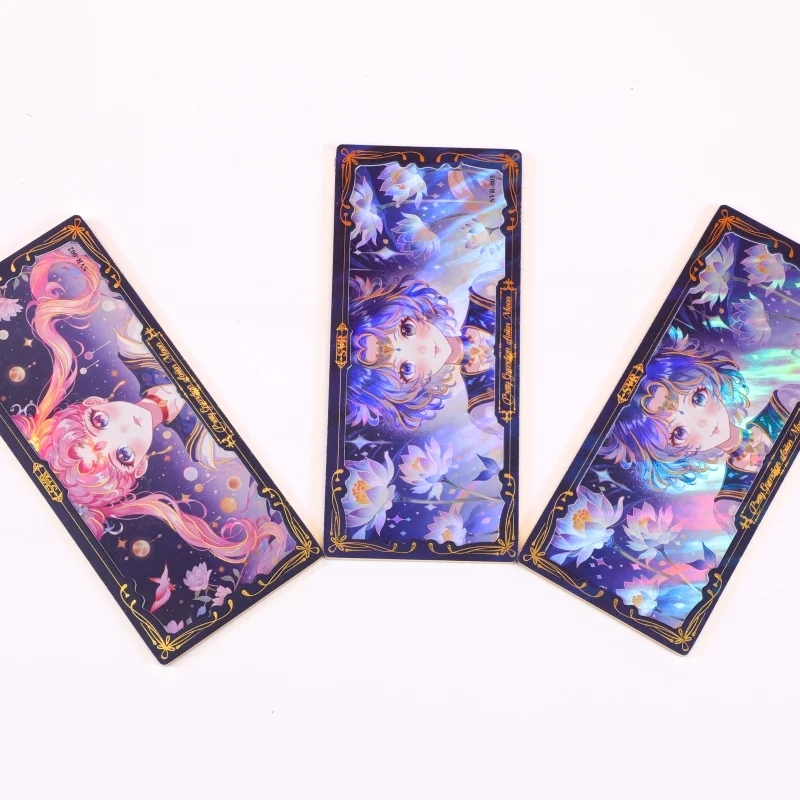
The choice between Heidelberg and Komori presses represents one of the most significant decisions in modern tarot card printing. Both manufacturers have established themselves as industry leaders, yet their approaches to tarot card printing differ in fundamental ways that directly impact final product quality, production speed, and long-term operational costs. Understanding these distinctions helps printers and card manufacturers make informed choices aligned with their specific tarot card printing requirements and business objectives.
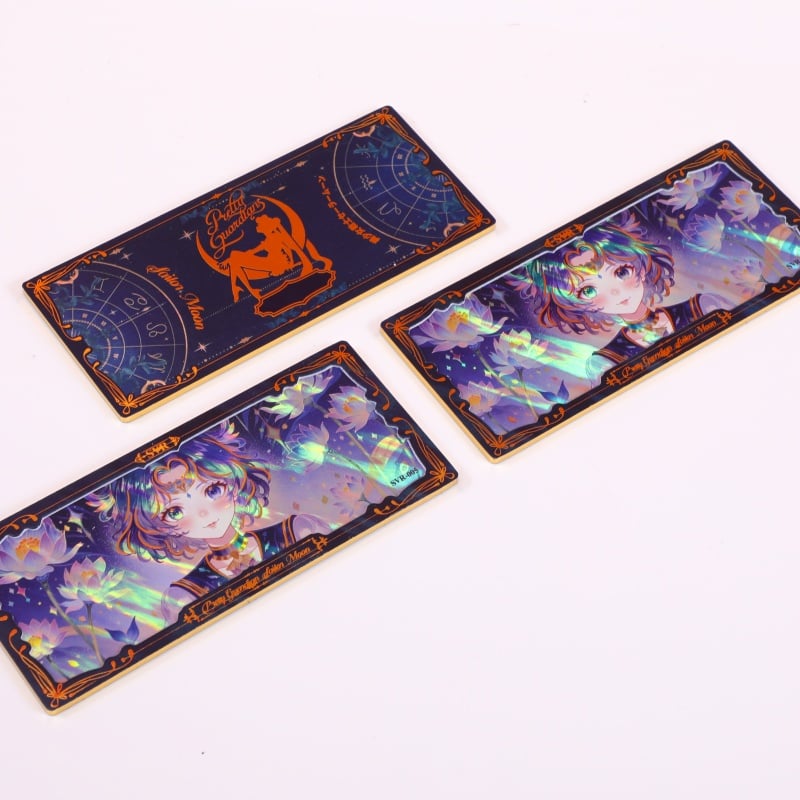
Tarot card printing demands exceptional precision, vibrant color reproduction, and reliable finishing capabilities that distinguish it from standard commercial printing. The intricate artwork, symbolic imagery, and premium feel expected by collectors and practitioners require equipment that delivers consistent results across every deck produced. Both Heidelberg and Komori offer solutions designed to meet these demanding specifications, though their technical philosophies and market positioning create distinct advantages in different operational contexts.
Technical Capabilities and Precision Standards
Heidelberg's Engineering Philosophy for Tarot Card Printing
Heidelberg has long been recognized as a pioneer in tarot card printing technology, combining European precision engineering with flexible architecture. Their press systems prioritize repeatability and color consistency through advanced registration systems that maintain tight tolerances across print runs. For tarot card printing projects, Heidelberg equipment typically delivers registration accuracy within twenty-five microns, ensuring that intricate layered artwork and fine details remain perfectly aligned throughout production.
The modular design philosophy embedded in Heidelberg's tarot card printing solutions allows operators to customize configurations based on specific deck requirements. Whether producing standard poker-size cards, larger ceremonial decks, or specialty formats, Heidelberg presses adapt through interchangeable components and adjustable feed systems. This flexibility proves particularly valuable for tarot card printing operations that manage diverse client requests without requiring multiple dedicated machines, reducing capital expenditure and floor space requirements.
Komori's Performance Metrics and Speed Optimization
Komori approaches tarot card printing from a production-volume perspective, engineering systems that prioritize speed without sacrificing color fidelity. Their press architecture emphasizes automated plate changing, rapid ink adjustment, and streamlined makeready procedures that reduce downtime between tarot card printing jobs. Operators report that Komori equipment can transition from one tarot card printing project to another in significantly less time than competing systems, translating directly to increased throughput for high-demand operations.
Color consistency represents another critical advantage for tarot card printing on Komori equipment. Their integrated spectrophotometry systems continuously monitor ink density and adjust formulations in real time, ensuring that every card in a tarot card printing run matches the approved color standards. This automated approach minimizes human error and produces the uniform appearance that collectors expect from premium tarot decks, particularly for large production runs exceeding fifty thousand units.
Cost Structure and Return on Investment for Tarot Card Printing Operations
Capital Investment and Long-Term Financial Planning
Heidelberg equipment typically carries a higher initial capital cost, reflecting the engineering sophistication and build quality embedded in their tarot card printing systems. However, this upfront investment often translates to lower depreciation and superior resale value, relevant for operations considering equipment refresh cycles every seven to ten years. Service and replacement parts availability for Heidelberg tarot card printing equipment remains robust across regions, and technician training programs ensure consistent maintenance standards.
Komori presses often present a lower entry price point, making them attractive for emerging tarot card printing businesses or operations expanding capacity without massive capital outlays. Their simplified maintenance requirements and readily available generic components reduce operational overhead compared to specialized Heidelberg service requirements. For tarot card printing facilities focused on volume production rather than boutique customization, the Komori cost structure frequently delivers superior return on investment within three- to five-year planning horizons.
Operational Efficiency and Consumable Costs
Tarot card printing on Heidelberg equipment requires more frequent makeready adjustments and operator intervention, particularly when switching between color profiles or deck specifications. Ink consumption patterns tend toward higher usage during setup phases, though once optimized, tarot card printing runs achieve excellent ink efficiency. The trade-off emphasizes quality control and consistency over speed, benefiting specialty producers focused on limited-edition tarot decks where perfection matters more than output volume.
Komori's automated systems dramatically reduce operator interaction required during tarot card printing production cycles. Ink management software tracks consumption patterns and predicts supply needs with remarkable accuracy, minimizing waste and emergency supply orders. For tarot card printing operations running multiple shifts or managing complex scheduling, these labor-saving features and supply predictability create significant competitive advantages. The cumulative effect across large production volumes often exceeds the initial capital cost difference within relatively short timeframes.
Application Suitability and Market Positioning
Premium and Limited-Edition Tarot Card Printing
Heidelberg presses excel for tarot card printing projects emphasizing artisanal quality, hand-finished details, and boutique aesthetic appeal. When tarot card printing requires specialized foil stamping, embossing, or multiple-pass color layering, Heidelberg's modular architecture accommodates these value-added processes seamlessly. Independent tarot deck creators, artists collaborating with independent publishers, and specialty printers focused on limited runs typically experience superior results with Heidelberg equipment for tarot card printing that demands technical precision and creative flexibility.
The psychological appeal of Heidelberg in the tarot community extends beyond technical specifications. Established tarot card printing operations often maintain Heidelberg equipment as part of their brand identity, signaling commitment to traditional craftsmanship alongside modern technology. This positioning resonates with practitioners and collectors who associate specific printers with quality tarot card printing that respects the historical and spiritual dimensions of deck production.
Mass Production and Commercial Tarot Card Printing
Komori systems dominate commercial tarot card printing environments where volume, consistency, and rapid turnaround define competitive advantage. Publishers producing mass-market tarot decks, deck licensing operations, and retail-focused tarot card printing manufacturers rely heavily on Komori architecture to meet aggressive production schedules. When tarot card printing reaches volumes of hundreds of thousands of units annually, Komori's speed, reliability, and automated optimization features directly impact profitability and market responsiveness.
Mainstream tarot card printing increasingly favors Komori equipment because their systems integrate seamlessly with modern supply chain management and demand-response manufacturing. Retailers and distributors expect consistent delivery timelines, and tarot card printing operations utilizing Komori infrastructure meet these expectations reliably. The combination of production speed, quality consistency, and operational predictability positions Komori as the preferred choice for businesses treating tarot card printing as a volume-driven commercial operation.
FAQ
Which press system delivers superior color accuracy for tarot card printing?
Both Heidelberg and Komori systems achieve exceptional color accuracy through different mechanisms. Heidelberg relies on precise operator control and manual fine-tuning, ideal for tarot card printing where artistic direction matters. Komori employs automated spectrophotometric systems that maintain color consistency across long runs automatically. For consistent tarot card printing across multiple batches, Komori's automation provides superior standardization, while Heidelberg excels when tarot card printing requires artistic interpretation and selective manual adjustments.
What maintenance demands distinguish these presses for tarot card printing operations?
Heidelberg equipment requires more frequent scheduled maintenance and specialized technician expertise, particularly for tarot card printing operations pushing the system to its technical limits. Komori systems prioritize simplicity and accessibility, with maintenance protocols designed for less specialized personnel. For tarot card printing businesses lacking in-house technical expertise, Komori's straightforward maintenance reduces dependency on specialized service providers and minimizes production interruptions from equipment downtime.
How do production capacities compare for large-scale tarot card printing projects?
Komori presses typically achieve significantly higher hourly output for tarot card printing, often reaching five to seven thousand impressions per hour compared to Heidelberg's three to five thousand depending on configuration. This speed advantage becomes critical for tarot card printing when timelines compress or volume demands spike unexpectedly. Heidelberg compensates through superior setup flexibility and quality control, making them preferable for tarot card printing where speed variations accommodate artistic requirements and small-batch experimentation that mass-production operations cannot support.