
 EN



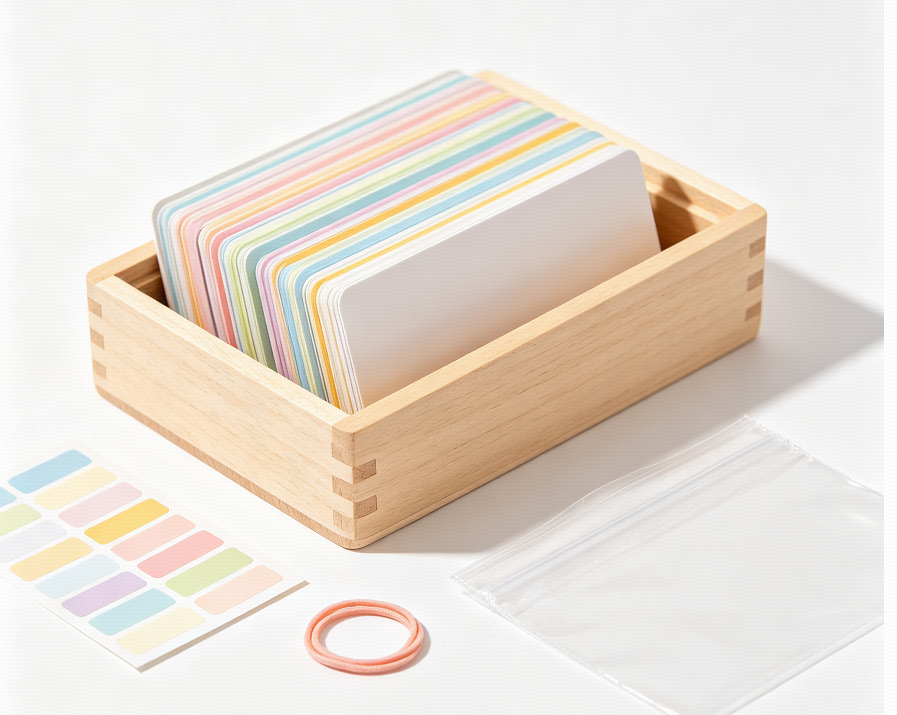
Flash cards remain one of the most effective learning tools across education, language training, professional development, and memorization programs. While many educators and learners focus on content quality and spacing algorithms, the physical design of flash cards plays a surprisingly crucial role in their effectiveness and longevity. Among design considerations, rounded corners emerge as an essential feature that influences how flash cards perform in real-world learning environments. Understanding why rounded corners matter for flash cards helps educators, trainers, and organizations make better decisions when creating or purchasing study materials.
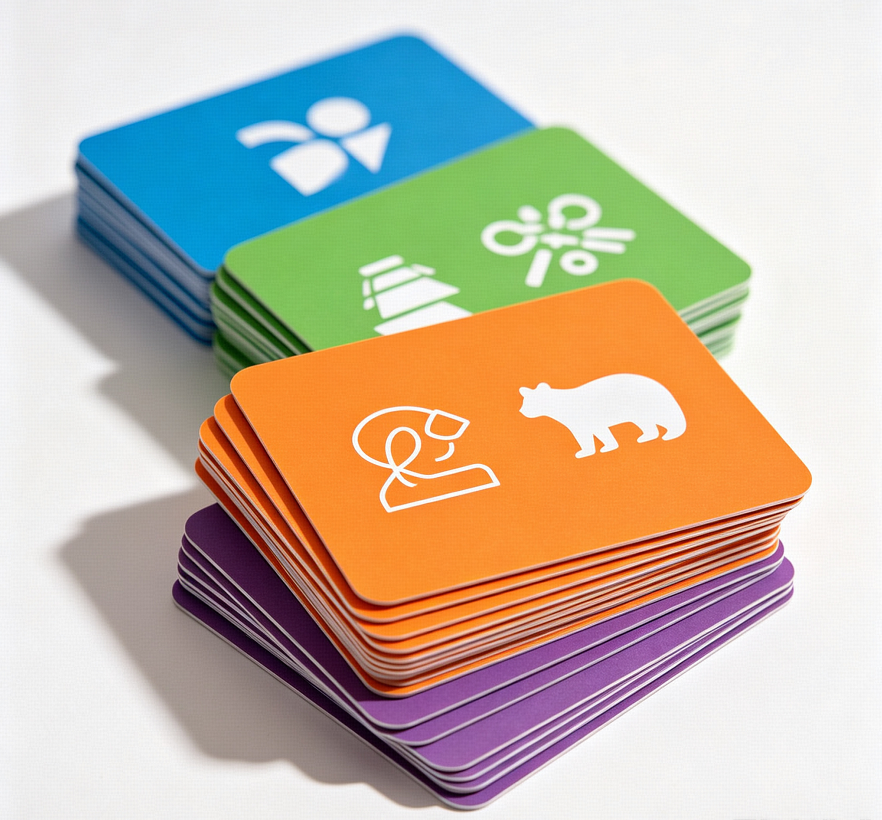
The design of flash cards extends far beyond aesthetics. Every physical attribute, from card thickness to corner shape, influences user experience, handling comfort, and card durability. Rounded corners on flash cards represent a deliberate engineering choice that addresses practical challenges faced by learners, educators, and training professionals. This article explores the specific benefits of rounded corners and why they should be considered essential rather than optional when designing or selecting flash cards for any learning context.
Durability and Extended Lifespan of Flash Cards
Preventing Corner Damage and Wear
Sharp corners on traditional flash cards create vulnerability points that deteriorate quickly with regular handling. When learners flip through flash cards repeatedly, corners naturally bend, fold, and eventually separate from the card body. Rounded corners on flash cards eliminate these stress points, distributing mechanical stress more evenly across the card edge. This structural advantage means rounded corner flash cards withstand extended use without visible fraying, bending, or separation of the card layers.
Professional training programs and educational institutions frequently reuse flash cards across multiple cohorts or school years. In these high-volume environments, rounded corners significantly extend the usable lifespan of flash cards. A classroom set of flash cards with sharp corners might require replacement after two to three years of consistent use, while rounded corner flash cards often remain functional for five to seven years. This durability advantage directly reduces replacement costs and improves sustainability by minimizing waste.
Protection in Storage and Transport
Flash cards are typically stored in boxes, bags, or card holders that experience regular movement and handling. Sharp corners on flash cards create edge damage not only from direct use but also from contact with storage containers and other cards. Rounded corners on flash cards prevent the corner-to-corner and corner-to-container contact that causes visible damage, discoloration, and structural degradation. Learners can keep rounded corner flash cards in compact storage without worrying about corner creasing or permanent bending.
When flash cards travel between home, school, or training facilities, they encounter varied handling conditions. Rounded corners reduce the likelihood of damage from being squeezed in backpacks, dropped, or packed tightly with other materials. This practical benefit ensures that flash cards maintain their professional appearance and structural integrity throughout their operational lifespan, which is especially important for expensive custom or specialty flash cards.
Enhanced User Experience and Learning Comfort
Ergonomic Handling and Comfort
Learners using flash cards often engage in extended study sessions lasting hours. During these sessions, they repeatedly shuffle, flip, and manipulate flash cards with their fingers and hands. Sharp corners on flash cards create uncomfortable pressure points and potential skin irritation during prolonged contact. Rounded corners on flash cards eliminate this discomfort by providing smooth, blunt edges that feel pleasant to grip and handle. This seemingly minor ergonomic improvement reduces hand fatigue and encourages longer study sessions without physical strain.
Children and younger learners are particularly sensitive to sharp edges and may experience genuine discomfort from sharp corners on flash cards. Educational institutions using rounded corner flash cards report fewer complaints about hand soreness and greater student willingness to engage with study materials for longer periods. This ergonomic advantage makes rounded corner flash cards especially valuable in elementary, middle, and secondary school settings where sustained learning engagement is critical to academic success.
Faster Shuffling and Better Card Control
Sharp corners on flash cards create snag points that catch fingers and impede smooth shuffling. When a learner attempts to riffle or shuffle flash cards with sharp corners, the corners catch on skin, causing hesitation and making the shuffling motion less fluid. Rounded corners on flash cards enable seamless shuffling, faster card manipulation, and better overall control during study sessions. This smooth handling experience might seem minor, but it eliminates a subtle source of frustration that disrupts learning flow and concentration.
Professional dealers and memory champions who use flash cards extensively recognize that rounded corner flash cards perform dramatically better during rapid shuffling and manipulation. The smoother edges allow fingers to move continuously without catches or pauses, making the handling experience more natural and intuitive. This advantage extends to any learning scenario where learners need to quickly sort, organize, or shuffle flash cards as part of their study routine.
Professional Appearance and Perceived Quality
Visual Presentation and First Impressions
Flash cards serve as tangible educational products that reflect the quality and professionalism of the institution or organization that created them. Rounded corners on flash cards immediately signal attention to detail and care in product design. Students and learners form impressions about educational quality based partly on physical materials they interact with daily. Custom flash cards with rounded corners look more professional, polished, and valuable compared to flash cards with standard sharp corners, which may appear rushed or budget-conscious.
Organizations investing in branded or custom flash cards benefit significantly from rounded corners as a design element that distinguishes their materials from generic alternatives. Rounded corner flash cards feel like premium study tools rather than basic reference cards, which positively influences how learners perceive and value the learning experience. This perception advantage can improve learner engagement, motivation, and perceived effectiveness of the training or educational program.
Consistency with Modern Design Standards
Contemporary design trends increasingly favor rounded corners across all product categories, from consumer electronics to business cards to educational materials. Rounded corners on flash cards align with modern design aesthetics and meet learner expectations for professional product design. Educational materials that reflect current design standards appear more contemporary and relevant to today's learners, particularly younger students accustomed to rounded-corner smartphones, tablets, and digital interfaces.
Language training programs, corporate onboarding materials, and standardized test preparation companies frequently use flash cards as primary learning tools, and rounded corners have become an expected design feature for these professional applications. Organizations that omit rounded corners risk appearing outdated or inattentive to quality standards that learners now consider normal and essential.
Practical Implementation and Selection Considerations
Cost-Benefit Analysis of Rounded Corners
Implementing rounded corners on flash cards involves minimal additional manufacturing cost, typically adding less than five percent to total production expenses. Given the significant durability, usability, and perception benefits, rounded corners represent exceptional value regardless of flash card volume or budget constraints. Educational institutions with limited resources should prioritize rounded corners because the extended lifespan of rounded corner flash cards offsets the minor production cost increase through reduced replacement frequency and lower total cost of ownership.
Organizations producing flash cards should evaluate whether sharp corners or rounded corners better serve their specific use case and learner population. For casual, short-term use, sharp corners may suffice. However, for any flash cards expected to remain in circulation for multiple years, serve multiple cohorts, or receive intensive daily use, rounded corners become a cost-effective investment in product longevity and user satisfaction.
Specifications and Material Selection
Rounded corner radius should typically fall between 4 millimeters and 8 millimeters to provide meaningful durability benefits while maintaining convenient card dimensions for storage and handling. Thicker cardstock materials amplify the benefits of rounded corners by creating additional structural integrity and resistance to bending. Flash cards manufactured with premium cardstock and rounded corners represent the optimal combination for maximum durability and user experience across diverse learning environments.
When selecting manufacturers for custom flash cards, specifying rounded corners as a design requirement ensures consistent quality and prevents corner-cutting that compromises product performance. Flash cards with laminated surfaces or protective coatings paired with rounded corners offer maximum protection against wear, moisture, and environmental damage, making them ideal for high-use environments like classroom settings or training facilities.
FAQ
How do rounded corners improve flash card durability?
Rounded corners eliminate stress concentration points that develop at sharp edges, preventing corner bending, fraying, and layer separation. By distributing mechanical stress evenly across the card perimeter, rounded corner flash cards resist damage from repeated handling, storage, and transport. This structural advantage can double or triple the functional lifespan of flash cards compared to standard sharp-corner designs.
Are rounded corners suitable for all types of flash cards?
Rounded corners benefit virtually all flash card applications, including language learning, vocabulary building, test preparation, corporate training, and memory development. The ergonomic and durability advantages apply across all learning contexts and learner demographics. While specialized applications might have unique requirements, rounded corner flash cards generally represent the superior design choice for any flash cards intended for regular use and extended storage.
What radius size works best for rounded corners on flash cards?
A radius between 4 and 8 millimeters typically provides optimal balance between durability benefits and practical functionality. Smaller radius measurements offer subtle improvement, while larger radius measurements may affect card stacking and storage efficiency. The specific optimal radius depends on cardstock thickness, intended use intensity, and storage methods, but the 4-8 millimeter range accommodates most educational and training applications effectively.