
 EN
EN



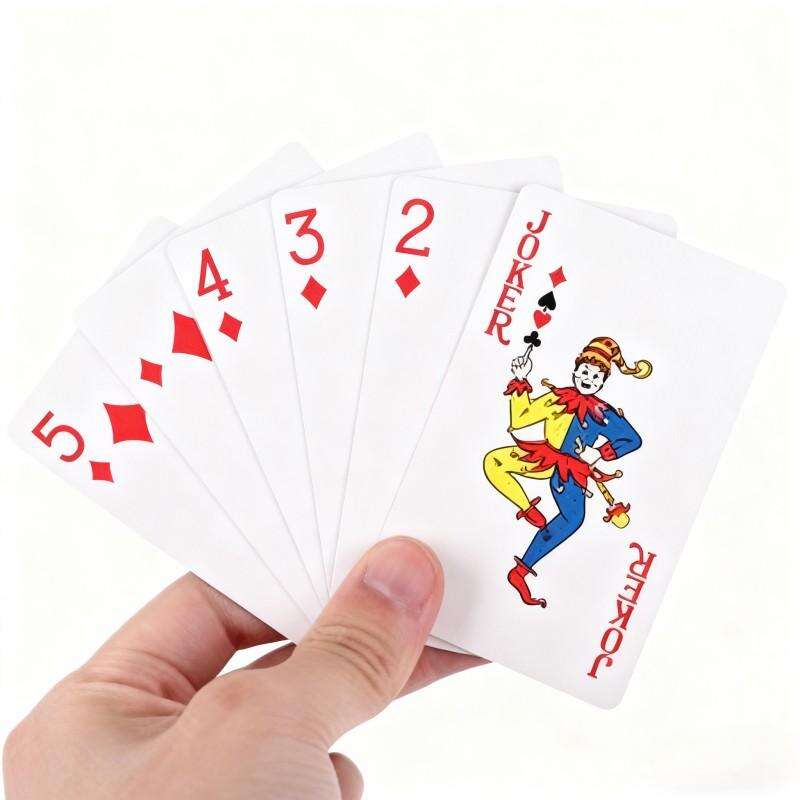
Ob Sie ein Tabletop-Spiel entwerfen, Markenartikel erstellen oder ein Sammlerdeck produzieren, individuelle Spielkarten sind zu einem der vielseitigsten und optisch wirkungsvollsten Druckprodukte geworden, die heute auf dem B2B-Markt erhältlich sind. Von unabhängigen Spieleentwicklern bis hin zu professionellen Veranstaltungsplanern für Unternehmen ist die Nachfrage nach hochwertigen, professionell gedruckten Kartendecks deutlich gestiegen – und die dahinterstehende Drucktechnologie hat sich ebenso rasch weiterentwickelt. Um zu verstehen, was ein mittelmäßiges Kartendeck von einem Premium-Produkt unterscheidet, muss man zunächst den Produktionsprozess kennen – und hier spielt der UV-Druck eine zentrale Rolle.
Dieser Leitfaden richtet sich an Einkäufer, Designer und Markenmanager, die bei der Bestellung individueller Spielkarten fundierte Entscheidungen treffen möchten. Wir erläutern, warum UV-Druck nicht nur eine Veredelungsoption ist, sondern ein grundlegender Qualitätsunterschied, wie er Farbe, Haltbarkeit und haptisches Erlebnis beeinflusst und was Sie vor Auftragserteilung wissen müssen. Wenn Sie jemals ein Kartendeck in der Hand gehalten haben, das sich außergewöhnlich anfühlte, und sich gefragt haben, woran das lag, dann führt die Antwort fast immer auf die Druck- und Veredelungsmethode zurück.
Was UV-Druck tatsächlich für Brauch Spielkarten
Die Kerntechnologie hinter dem UV-Druck
UV-Druck bezeichnet ein Verfahren, bei dem ultraviolettes Licht eingesetzt wird, um die Tinte unmittelbar nach dem Auftragen auf die Kartenoberfläche sofort auszuhärten oder zu trocknen. Im Gegensatz zum herkömmlichen Offset- oder Digitaldruck, bei dem die Tinten durch Verdunstung oder Absorption trocknen, werden UV-härtbare Tinten durch Bestrahlung mit UV-Lampen in Echtzeit ausgehärtet. Dieser sofortige Aushärtungsprozess erzeugt ein Ergebnis, das schärfer, lebendiger und deutlich haltbarer ist als bei Standarddruckverfahren.
Für individuell gestaltete Spielkarten ist dies besonders wichtig, da diese ständig in Gebrauch sind: Sie werden gemischt, gebogen, gefächert und wiederholt zwischen den Spielern weitergegeben. Ein Kartendeck, das mit herkömmlichen Tinten gedruckt wurde, zeigt deutlich früher Abnutzung, Verblassen und Oberflächenschäden als ein Deck, das im UV-Druckverfahren hergestellt wurde. Die ausgehärtete Tintenschicht verbindet sich fest mit dem Kartonmaterial und erzeugt eine Oberfläche, die Kratzern, Feuchtigkeit und allgemeiner Beanspruchung durch den Gebrauch widersteht.
UV-Druck ermöglicht zudem einen deutlich breiteren Farbraum. Die Farben behalten ihre Sättigung und ihren Kontrast auch auf gestrichenen oder speziellen Kartonpapieren bei, sodass Motive mit tiefen Schwarztonwerten, lebendigen Verläufen oder feinen Linienzeichnungen mit außergewöhnlicher Treue wiedergegeben werden. Bei individuell gestalteten Spielkarten mit detaillierten Illustrationen, holografischen Elementen oder Anime-artigen Motiven ist diese Farbgenauigkeit keine Option – sie ist zwingend erforderlich.
UV-Druck im Vergleich zum Standarddruck auf Kartonpapier
Der Standarddruck auf Kartonpapier erfolgt üblicherweise mittels Offsetdruck oder konventionellem Digitaldruck, wobei beide Verfahren für einfache Anwendungen akzeptable Ergebnisse liefern. Bei Premium-Spielkartendecks mit individuellem Design treten die Grenzen des Standarddrucks jedoch rasch zutage: Die Farben wirken oft matter, feine Details verlieren an Schärfe, und die Oberfläche ist ohne zusätzliche Laminierung oder Beschichtung stärker verschleißanfällig.
Der UV-Druck bündelt mehrere dieser Aspekte in einem einzigen Prozess. Die gehärtete Farbe selbst bietet einen gewissen Grad an Oberflächenschutz; in Kombination mit einer UV-Lackierung (Spot-Coating) oder einer vollflächigen UV-Glanz- bzw. UV-Matt-Lackierung entsteht eine Karte, die optisch und haptisch professionell gefertigt wirkt. Für Käufer, die individuelle Spielkarten für den Einzelhandel, als Geschenk oder für Wettkampfspiele bestellen, ist diese Qualitätsdifferenz für Endnutzer sofort spürbar.
Zu beachten ist zudem, dass der UV-Druck eine breitere Palette spezieller Effekte unterstützt. Erhöhte UV-Spot-Glanzeffekte, selektive Mattlackierungen sowie die Integration holographischer Folien werden im UV-Druckprozess zuverlässiger umgesetzt. Solche Effekte werden zunehmend bei hochwertigen individuellen Spielkarten erwartet – insbesondere in den Marktsegmenten für Sammelkartenspiele und Luxusgeschenke.
Warum UV-Druck die visuelle Qualität individueller Spielkarten steigert
Farbtiefe und Wiedergabe von Motiven
Einer der unmittelbarsten Vorteile des UV-Drucks für individuelle Spielkarten ist die Tiefe und Farbtiefe, die er erzeugt. Wenn Motive mit UV-härtenden Tinten gedruckt werden, wirken die Farben gesättigter und dreidimensionaler als bei herkömmlichen Druckverfahren. Dies ist insbesondere bei Kartendecks mit komplexen Illustrationen, Charakterdarstellungen oder thematischen Designs von Bedeutung, bei denen die Farbgenauigkeit die wahrgenommene Produktqualität unmittelbar beeinflusst.
Bei individuellen Spielkarten aus den Kategorien Anime, Fantasy oder Sammelkartenspiele stellt das Motiv oft den entscheidenden Verkaufsaspekt dar. Ein mit UV-Tinte bedrucktes Deck bewahrt die ursprüngliche Gestaltungsabsicht weitaus treuer als konventionelle Verfahren. Farbverläufe bleiben glatt, Schattendetails bleiben sichtbar und helle Bereiche behalten ihre Leuchtkraft, ohne auszuwaschen. Das Ergebnis ist ein Kartendeck, das dem ursprünglichen digitalen Motiv physisch gesehen so nahe wie möglich kommt.
Dieses Niveau an Reproduktionsqualität ist ebenfalls für die Markenkonsistenz entscheidend. Wenn Sie individuelle Spielkarten als Unternehmensmerchandise oder Werbeartikel produzieren, müssen die Farben auf den Karten genau Ihren Markenrichtlinien entsprechen. Der UV-Druck bietet die erforderliche Farbstabilität und Wiederholgenauigkeit, um diese Standards auch bei großen Produktionsmengen einzuhalten.
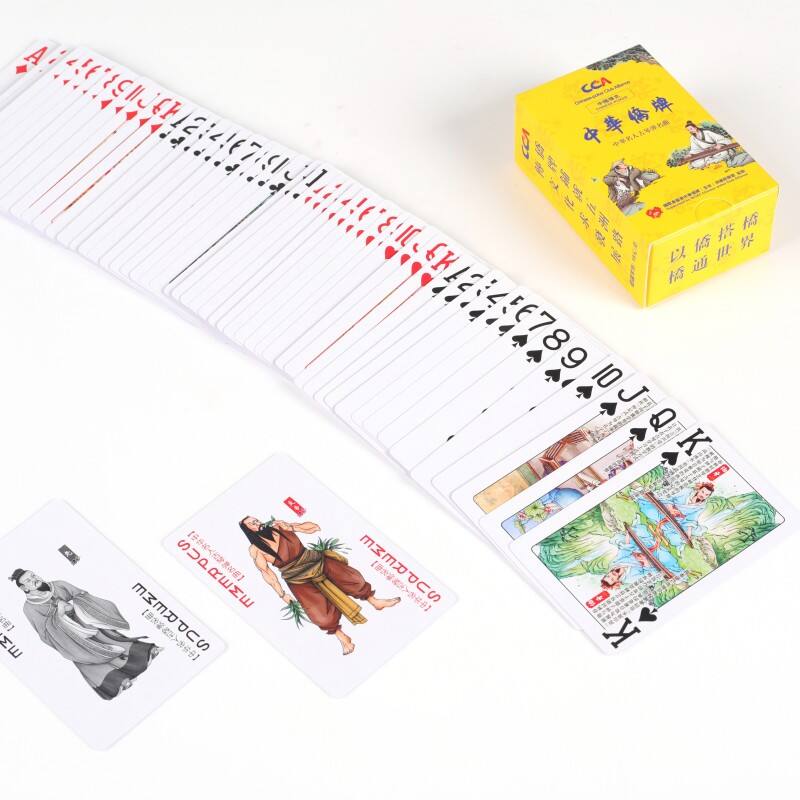
Integration holographischer und spezieller Oberflächenveredelungen
Der UV-Druck ist das bevorzugte Herstellungsverfahren, wenn holographische Oberflächen, Folienprägung oder Spot-Glänzeffekte Teil des Kartendesigns sind. Diese speziellen Veredelungen erfordern eine stabile, ausgehärtete Tintenoberfläche, um korrekt zu haften und die gewünschte visuelle Wirkung zu erzielen. Bei herkömmlich bedruckten Karten können spezielle Veredelungen abblättern, Blasen bilden oder verrutschen, da die Tintenoberfläche nicht ausreichend gehärtet ist.
Holografisch individuelle Spielkarten hat einen deutlichen Anstieg der Nachfrage verzeichnet, insbesondere in den Segmenten Sammlerstücke und Premium-Geschenke. Die Kombination aus UV-gedrucktem Grundmotiv mit holographischer Laminierung oder Folienakzenten erzeugt einen visuellen Effekt, der wirklich beeindruckend ist und sich mit kostengünstigeren Produktionsverfahren nur schwer nachahmen lässt. Käufer, die möchten, dass ihre individuell gestalteten Spielkarten sich im Einzelhandel oder bei unboxing-Erlebnissen von der Masse abheben, entscheiden sich konsequent für UV-Druck als Grundlage für diese Effekte.
Spot-UV-Beschichtung – bei der eine glänzende UV-Schicht gezielt auf bestimmte Gestaltungselemente aufgetragen wird – ist eine weitere Technik, die ausschließlich innerhalb eines UV-Druck-Workflows funktioniert. Dadurch können Designer Kontraste zwischen matten und glänzenden Bereichen auf derselben Kartenoberseite erzeugen und so eine haptische sowie visuelle Dimension hinzufügen, die den wahrgenommenen Wert des Kartendecks erheblich steigert.
Haltbarkeit und Handhabungsleistung bei UV-gedruckten Kartendecks
Oberflächenbeständigkeit und Lebensdauer
Individuelle Spielkarten sind physische Objekte, die wiederholter mechanischer Belastung standhalten müssen. Jedes Mischen, jede Ausspielung und jede Fächerdarstellung belastet die Kartenoberfläche. UV-gedruckte Karten bewältigen diese Belastung deutlich besser als konventionell bedruckte Alternativen, da die gehärtete Tintenschicht härter und widerstandsfähiger gegen Abrieb ist. Dies führt direkt zu einer längeren nutzbaren Lebensdauer des Kartendecks.
Für Spieleverlage und -designer ist Haltbarkeit eine funktionale Anforderung und nicht nur eine ästhetische Präferenz. Ein Kartendeck, das nach wenigen Spielsitzungen sichtbare Gebrauchsspuren aufweist, wirkt sich negativ auf das Produkt und die dahinterstehende Marke aus. UV-Druck löst dieses Problem, indem er eine Oberfläche erzeugt, die ihr Erscheinungsbild auch bei längerem Gebrauch bewahrt. Die Farben verblassen nicht, die Oberfläche kratzt nur schwer und die Kanten behalten ihr bedrucktes Finish länger.
Die Feuchtigkeitsbeständigkeit ist ein weiterer praktischer Vorteil. UV-härtbare Druckfarben erzeugen eine Oberfläche, die geringe Feuchtigkeitseinwirkung besser abweist als Standardfarben – ein Aspekt, der bei individuell gestalteten Spielkarten relevant ist, die in Umgebungen zum Einsatz kommen, in denen Getränke, Luftfeuchtigkeit oder das mehrfache Anfassen durch verschiedene Personen eine Rolle spielen. Obwohl keine Karte ohne zusätzliche Laminierung vollständig wasserdicht ist, bietet der UV-Druck einen deutlich spürbaren Grundschutz.
Shuffle-Gefühl und haptische Qualität
Erfahrene Kartenspieler und Spielebegeisterte sind äußerst sensibel gegenüber dem Griff einer Kartenstapel in der Hand. Das Shuffle-Gefühl individuell gestalteter Spielkarten wird durch das Gewicht des Kartonmaterials, die aufgebrachte Beschichtung sowie die durch Druck- und Veredelungsprozess erzeugte Oberflächenstruktur beeinflusst. Der UV-Druck – insbesondere in Kombination mit einer Leinen- oder Mattlackierung – erzeugt eine haptische Qualität, die allgemein als überlegen für das Handling gilt.
Eine UV-beschichtete Kartenoberfläche ermöglicht es den Karten, sich reibungslos und ohne zu haften gegeneinander zu verschieben – eine Voraussetzung für sauberes Mischen und Austeilen. Dies ist einer der Gründe, warum professionell gefertigte, individuelle Spielkarten nahezu ausnahmslos UV-Druck und -Beschichtung als Teil ihrer Produktionsvorgaben verwenden. Die physikalische Leistungsfähigkeit des Kartendecks ist ebenso wichtig wie sein optischer Eindruck, und der UV-Druck unterstützt beide Aspekte gleichzeitig.
Für Käufer, die individuelle Spielkarten für Spielevents, Turniere oder den Einzelhandel beschaffen, ist die haptische Qualität des Decks ein unmittelbarer Faktor für die Kundenzufriedenheit. Ein Deck, das sich gut mischen lässt und sich in der Hand solide anfühlt, vermittelt bereits vor dem Aufdecken der ersten Karte einen Eindruck von Qualität. Der UV-Druck ist die zuverlässigste Methode, diesen Standard konsistent über alle Produktionsläufe hinweg zu erreichen.
Produktionsaspekte beim Bestellen von UV-bedruckten, individuellen Spielkarten
Dateivorbereitung und Anforderungen an das Grafikdesign
Um das Beste aus dem UV-Druck für individuelle Spielkarten herauszuholen, beginnt man mit der richtigen Dateivorbereitung. Da der UV-Druck Farben mit hoher Farbtreue wiedergibt, bestimmt die Qualität der Vorlagendatei unmittelbar die Qualität des endgültigen Druckergebnisses. Die Dateien sollten mindestens mit einer Auflösung von 300 DPI in der endgültigen Druckgröße vorbereitet werden; sämtliche Farben müssen im CMYK-Farbraum und nicht im RGB-Farbraum angegeben sein, um eine genaue Farbumsetzung während des Druckprozesses zu gewährleisten.
Besonders wichtig bei individuellen Spielkarten sind die Beschnittzugaben, da die Karten nach dem Druck gestanzt werden. Eine Standardbeschnittzugabe von 3 mm auf allen Seiten stellt sicher, dass nach dem Schneiden keine weißen Ränder sichtbar werden – selbst bei geringfügigen Positionstoleranzen während der Produktion. Gestalter sollten zudem alle wichtigen grafischen Elemente und Texte innerhalb einer sicheren Zone anordnen, die vom Schnittlinienrand eingezogen ist, um zu verhindern, dass wesentliche Bestandteile abgeschnitten werden.
Falls das Design holographische Elemente oder Spot-UV-Effekte enthält, müssen diese als separate Ebenen oder Dateien angegeben werden, damit das Produktionsteam sie korrekt aufbringen kann. Eine klare Kommunikation mit dem Druckdienstleister darüber, welche Bereiche spezielle Oberflächenveredelungen erhalten sollen, ist entscheidend, um das gewünschte Ergebnis bei den endgültigen individuell gestalteten Spielkarten zu erzielen.
Mindestbestellmengen und Produktionsvorlaufzeiten
UV-Druck für individuell gestaltete Spielkarten beinhaltet in der Regel Einrichtungskosten, wodurch sehr kleine Auflagen wirtschaftlich weniger sinnvoll sind als größere Bestellungen. Die meisten professionellen Druckdienstleister legen Mindestbestellmengen fest, die die Wirtschaftlichkeit des UV-Druckverfahrens widerspiegeln – darunter Platten- oder Einrichtungsgebühren, Farbabstimmung sowie Qualitätskontrollschritte. Das Verständnis dieser Mindestmengen vor der endgültigen Festlegung Ihres Designs und Budgets ist wichtig für eine präzise Projektplanung.
Die Lieferzeiten für UV-bedruckte individuelle Spielkarten sind im Allgemeinen länger als bei Standard-Digitaldruck, da zusätzliche Veredelungsschritte erforderlich sind. Spezialbeschichtungen, holographische Laminierung und Folienprägung verlängern jeweils den Produktionszeitplan. Käufer sollten realistischerweise mehrere Wochen Lieferzeit für eine komplette Produktionscharge einplanen sowie zusätzliche Zeit für den Versand, falls der Lieferant im Ausland ansässig ist.
Es wird dringend empfohlen, vor der Freigabe einer kompletten Produktionscharge ein physisches Muster oder eine Probe anzufordern, insbesondere bei individuellen Spielkarten mit aufwändiger Grafik oder speziellen Oberflächenveredelungen. Eine gedruckte Probe ermöglicht es Ihnen, Farbgenauigkeit, Qualität der Oberflächenveredelung und das Karten-Gefühl zu überprüfen, bevor Sie sich auf die gesamte Bestellmenge festlegen. Dieser Schritt kann kostspielige Neuauflagen verhindern und stellt sicher, dass das Endprodukt Ihren Erwartungen entspricht.
Häufig gestellte Fragen
Was macht UV-Druck im Vergleich zum Standarddruck für individuelle Spielkarten besser?
UV-Druck erzeugt schärfere Farben, höhere Haltbarkeit und bessere Oberflächenbeständigkeit im Vergleich zu herkömmlichen Druckverfahren. Die durch UV-Licht gehärtete Tinte bindet fest an dem Kartonmaterial und ist daher widerstandsfähig gegen Kratzer und Feuchtigkeit; zudem ermöglicht sie Spezialveredelungen wie holographische Laminierung oder Spot-Glanz, die mit konventionellen Druckverfahren nicht zuverlässig realisierbar sind. Für individuell gestaltete Spielkarten, die für den Einzelhandel, für Spiele oder als Geschenk bestimmt sind, liefert der UV-Druck stets ein Ergebnis höherer Qualität.
Kann UV-Druck für holographische individuelle Spielkarten verwendet werden?
Ja, der UV-Druck ist das bevorzugte Produktionsverfahren für holographische individuelle Spielkarten. Die gehärtete Tintenoberfläche bietet die stabile Grundlage, die für eine korrekte Haftung der holographischen Laminierung und Folien-Effekte erforderlich ist, um das gewünschte visuelle Ergebnis zu erzielen. Der Versuch, holographische Oberflächen auf herkömmlich bedruckten Untergründen aufzubringen, führt häufig zu Haftungsproblemen oder visuellen Unstimmigkeiten – daher ist der UV-Druck der Industriestandard für hochwertige holographische Kartendecks.
Wie bereite ich Grafikdateien für UV-bedruckte individuelle Spielkarten vor?
Die Grafikdateien sind mit einer Auflösung von 300 DPI in Endgröße und Farbangaben im CMYK-Farbraum anzulegen. Geben Sie auf allen Seiten einen Beschnittzug von 3 mm an und halten Sie alle wichtigen Gestaltungselemente innerhalb einer sicheren Zone, die vom Schnittlinienrand eingerückt ist. Falls Ihr Design Spot-UV- oder holographische Elemente enthält, stellen Sie diese bitte als separate Ebenen oder Dateien bereit, damit das Produktionsteam sie präzise anwenden kann. Fordern Sie stets ein physisches Korrekturabzug an, bevor Sie eine vollständige Produktionsauflage freigeben.
Was ist die typische Mindestbestellmenge für UV-gedruckte individuelle Spielkarten?
Die Mindestbestellmengen variieren je nach Anbieter und Komplexität der gewählten Veredelungsoptionen; die meisten professionellen Druckanbieter verlangen jedoch eine Mindestbestellmenge von mehreren hundert Kartendecks für UV-gedruckte individuelle Spielkarten mit Spezialveredelungen. Dies spiegelt die Einrichtungskosten für den UV-Druck, die Farbkalibrierung und die Veredelungsprozesse wider. Für kleinere Mengen bieten einige Anbieter digitale UV-Druckoptionen zu höheren Stückpreisen an, die sich beispielsweise für Prototypen oder limitierte Auflagen eignen.
Inhaltsverzeichnis
- Was UV-Druck tatsächlich für Brauch Spielkarten
- Warum UV-Druck die visuelle Qualität individueller Spielkarten steigert
- Haltbarkeit und Handhabungsleistung bei UV-gedruckten Kartendecks
- Produktionsaspekte beim Bestellen von UV-bedruckten, individuellen Spielkarten
-
Häufig gestellte Fragen
- Was macht UV-Druck im Vergleich zum Standarddruck für individuelle Spielkarten besser?
- Kann UV-Druck für holographische individuelle Spielkarten verwendet werden?
- Wie bereite ich Grafikdateien für UV-bedruckte individuelle Spielkarten vor?
- Was ist die typische Mindestbestellmenge für UV-gedruckte individuelle Spielkarten?