
 EN



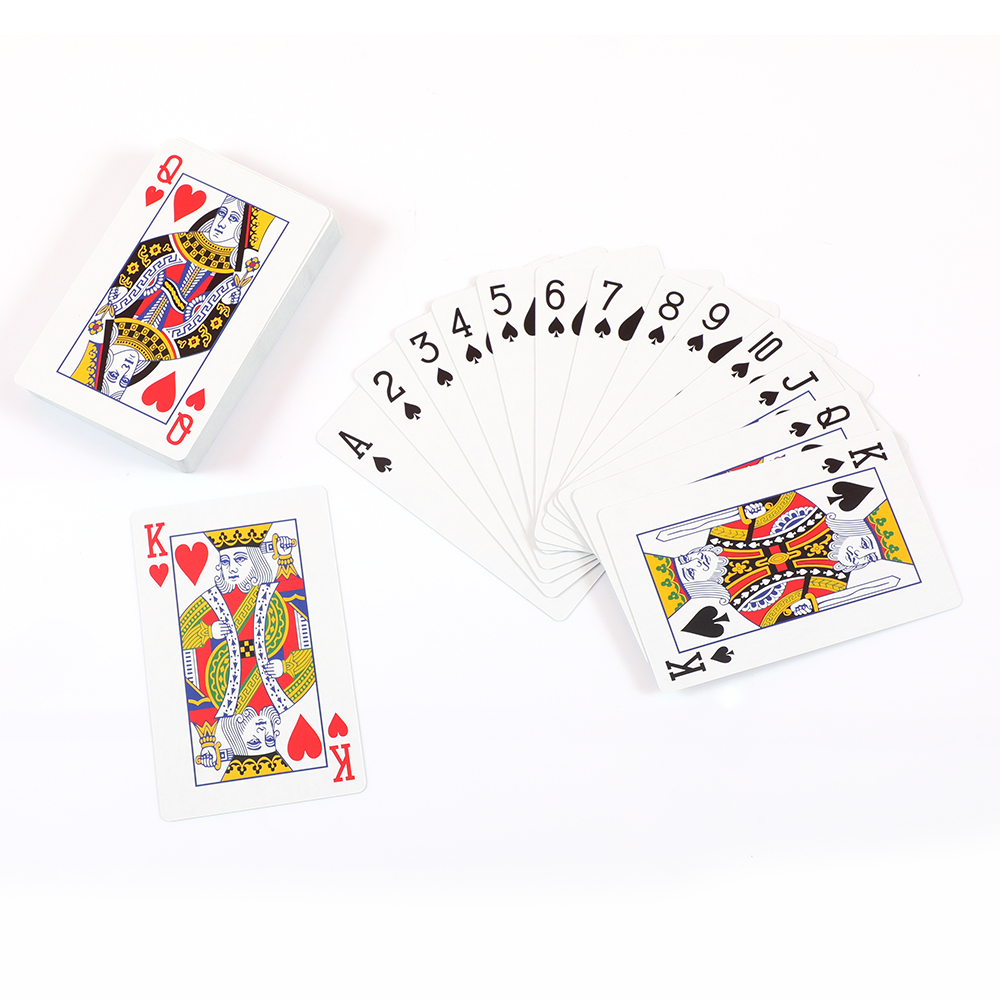
When producing high-quality poker cards, understanding the difference between offset and digital printing is essential for making informed production decisions. Both printing methods serve distinct purposes in the card manufacturing industry, and selecting the right approach depends on your specific project requirements, budget constraints, and volume needs. Poker cards produced using offset printing deliver exceptional color accuracy and durability, while digital printing offers flexibility and faster turnaround times for smaller batches. This comprehensive guide examines the key differences between these two printing technologies to help you determine which method best suits your poker cards production goals.
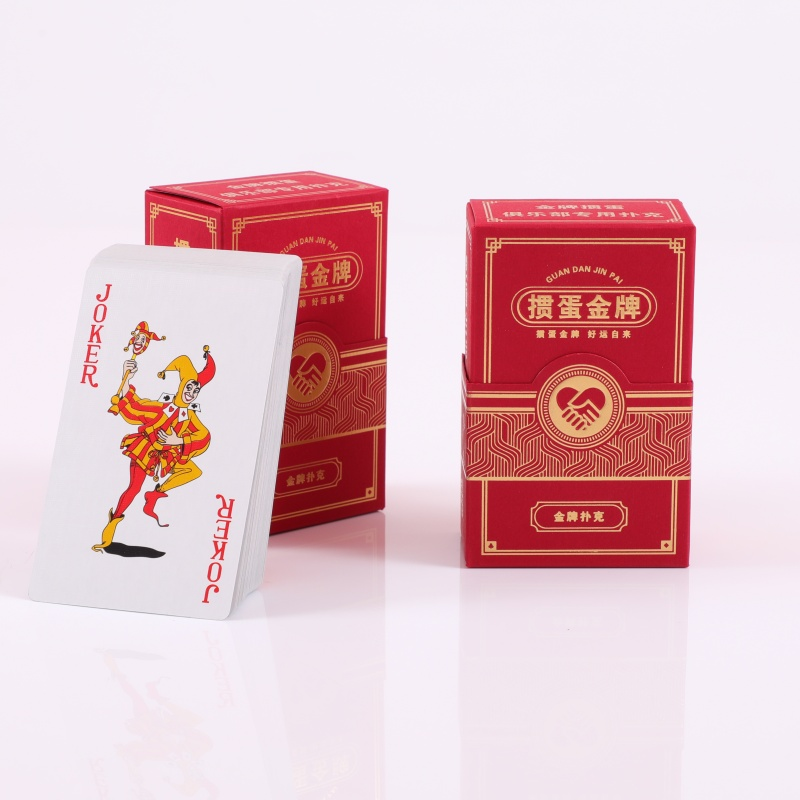
The choice between offset and digital printing fundamentally impacts the final quality, production timeline, and overall cost of your poker cards project. Offset printing excels at high-volume production with superior color consistency, while digital printing provides unmatched flexibility for custom designs and short-run batches. Understanding these distinctions allows manufacturers and businesses to optimize their poker cards printing strategy based on market demand, customer expectations, and manufacturing capabilities.
Understanding Offset Printing for Poker Cards
How Offset Printing Works
Offset printing is a traditional lithographic process where images are transferred from a printing plate to a rubber blanket, then onto the paper or cardstock used for poker cards. This indirect printing method creates incredibly sharp, consistent results across thousands of impressions. The process involves separating artwork into four color channels: cyan, magenta, yellow, and black (CMYK). For poker cards using offset techniques, each color layer is applied sequentially, allowing for precise color blending and vibrant visual output that remains consistent throughout the entire production run.
The offset printing process requires creating separate printing plates for each color, which involves initial setup costs and production lead time. However, once these plates are created and the press is configured, producing large quantities of poker cards becomes highly cost-effective per unit. The method delivers exceptional color fidelity and allows for specialized finishes such as spot varnishing, embossing, or metallic ink applications on poker cards, which significantly enhances their visual appeal and perceived value in the marketplace.
Quality Advantages of Offset Poker Cards
Offset-printed poker cards exhibit superior color saturation and consistency compared to other printing methods, making them ideal for premium gaming applications where visual perfection is non-negotiable. The process produces edge-to-edge printing without white borders, enabling full-bleed designs on your poker cards that create a polished, professional appearance. The ink adhesion on quality cardstock ensures long-lasting durability, meaning your poker cards maintain their aesthetic integrity through extensive shuffling, handling, and storage conditions.
The hallmark of offset-produced poker cards is their exceptional halftone reproduction and fine detail rendering, particularly important when printing intricate designs, photographs, or gradients. This precision makes offset printing the preferred choice for luxury poker cards, limited-edition collectibles, and high-stakes gaming applications. The cost efficiency of offset printing becomes pronounced at volumes exceeding five thousand poker cards, where per-unit production costs drop significantly due to the amortization of setup expenses across larger print runs.
Exploring Digital Printing for Poker Cards
Digital Printing Technology and Process
Digital printing technology directly applies ink or toner from computer files directly onto cardstock without requiring intermediate printing plates, making it the ideal method for producing poker cards with rapid turnaround and exceptional flexibility. This on-demand printing capability allows businesses to print exactly the number of poker cards needed without excess inventory, reducing storage costs and enabling quick market adjustments. Digital printing systems can switch between different designs instantaneously, making variable printing of personalized or customized poker cards feasible within a single production run.
Modern digital printing engines produce poker cards with impressive color depth and detail, utilizing advanced inkjet or laser technology to achieve quality levels previously reserved for offset printing. The absence of setup plates eliminates long lead times associated with traditional printing, allowing producers to generate finished poker cards within days rather than weeks. For smaller quantities or time-sensitive projects, digital printing offers unmatched convenience and responsiveness without sacrificing significant quality in most applications.
Cost-Efficiency and Volume Considerations
Digital printing becomes the most economical choice for producing smaller quantities of poker cards, particularly when running batches of fewer than five thousand units where offset setup costs cannot be justified. The per-card pricing for digital poker cards typically increases compared to offset methods due to lack of volume economies, but the overall project cost often remains lower for short runs because no setup fees are incurred. Businesses can test market demand, validate design concepts, and produce limited-edition poker cards efficiently using digital technology without the financial risk of committing to large offset print quantities.
The variable nature of digital printing also enables personalization features within poker cards production, such as unique numbering, individual naming, or customized artwork variations. This capability creates unique marketing opportunities and premium positioning for your poker cards in niche markets. However, per-unit costs for digital poker cards can exceed offset pricing at high volumes, making offset printing the superior economic choice for established products with predictable, large-scale demand.
Key Comparison Factors for Selecting Poker Cards Printing Methods
Production Volume and Timing Requirements
The primary decision driver between offset and digital printing for poker cards centers on production volume and project timeline. Offset printing requires minimum order quantities typically ranging from five to ten thousand poker cards to justify setup costs, making it suitable for established products with consistent demand. Conversely, digital printing accommodates small orders of under one thousand poker cards with minimal lead time, positioning it as the optimal solution for startups, limited editions, or prototype validation stages.
Delivery timelines differ substantially between these methods. Offset poker cards require two to four weeks for production after plate creation and approval, while digital poker cards can be completed and shipped within three to five business days. For time-sensitive launches, seasonal products, or urgent reorders, digital printing delivers competitive advantage through superior speed. Understanding your business cycle and market responsiveness requirements helps determine whether offset or digital printing aligns better with your poker cards strategy.
Design Complexity and Customization Capabilities
Design sophistication and customization needs significantly influence the choice between offset and digital printing for poker cards. Offset printing handles complex multi-color designs, metallic inks, special finishes, and embossing with elegant results, making it preferable for premium branded poker cards requiring distinctive visual elements. Digital printing excels at variable data printing, enabling each card within a batch of poker cards to feature unique personalization, numbering, or design modifications without additional cost.
If your poker cards project requires consistent branding across all units with luxury finishes, offset printing delivers the polished aesthetic that commands premium pricing and collector interest. Conversely, if your poker cards strategy involves rapid iteration, A/B testing different designs, or offering highly personalized products, digital printing provides the agility and cost structure necessary to execute these tactics effectively. Evaluating design requirements early in the planning phase prevents production inefficiencies and ensures your chosen printing method aligns with your poker cards market positioning.
FAQ
Which printing method produces higher-quality poker cards?
Offset printing typically produces superior quality poker cards with more vibrant colors, sharper details, and better consistency across large production runs. The traditional lithographic process delivers exceptional color accuracy and allows for premium finishes like metallic inks and varnishing. However, modern digital printing has narrowed the quality gap significantly, and for most applications, digital-printed poker cards offer acceptable quality at a fraction of the cost and timeline. The 'best' method depends on your specific quality standards and market expectations for your poker cards product.
When should I choose digital printing over offset for poker cards?
Digital printing becomes the preferred choice for poker cards when producing quantities below five thousand units, requiring quick turnaround times, or needing variable personalization within a single batch. If your poker cards project involves prototype testing, limited-edition releases, or frequent design iterations, digital printing offers flexibility and reduced financial risk. Digital printing also suits niche markets where poker cards demand is unpredictable, allowing you to print only what sells without maintaining excess inventory.
What is the typical cost difference between offset and digital poker cards?
For small quantities, digital-printed poker cards are generally more cost-effective because they eliminate expensive setup fees associated with offset plate creation. However, as volume increases beyond five thousand poker cards, offset printing becomes significantly cheaper per unit due to amortized setup costs and economies of scale. At volumes exceeding twenty thousand poker cards, offset printing can cost 30-50% less per card than digital alternatives, making it the economical choice for high-volume, established products. Calculating your specific break-even point helps determine which printing method optimizes your poker cards budget.