
 EN
EN




Achieving color accuracy in custom playing cards printing is essential for maintaining brand consistency, professional appearance, and customer satisfaction. Whether you're producing promotional decks, collectible cards, or gaming products, the colors you specify during design must match precisely what arrives in your final printed product. Poor color accuracy can damage your brand reputation, result in customer complaints, and waste significant investment in inventory that doesn't meet your standards.
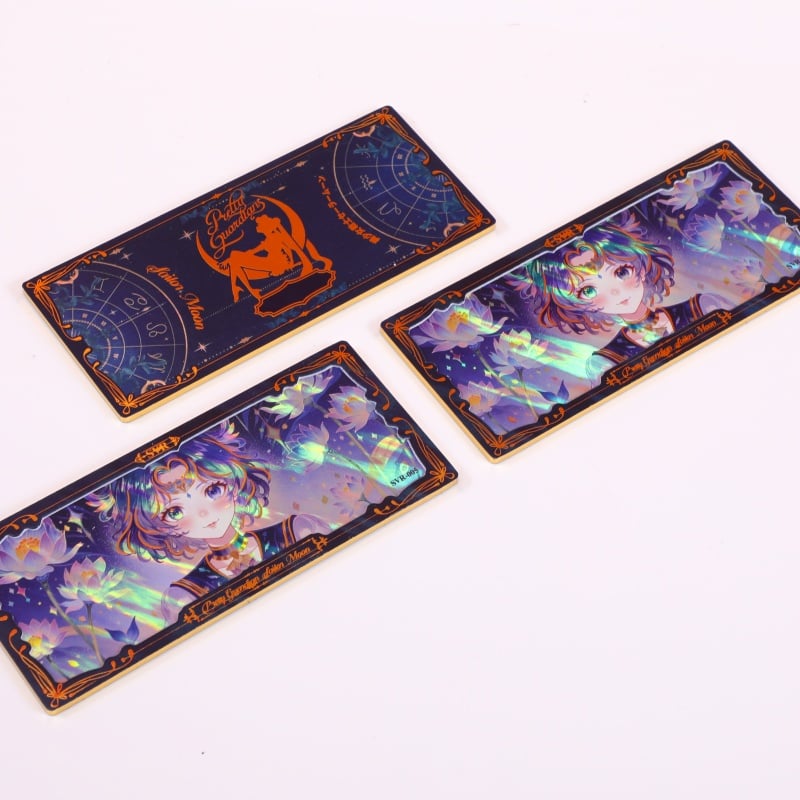
The process of ensuring color accuracy in custom playing cards printing involves multiple technical layers, from pre-press preparation and color space management to production monitoring and quality verification. Understanding these components helps you work effectively with printing vendors, catch potential issues before production, and establish consistent results across multiple print runs. This guide walks through practical strategies that manufacturers and designers use to maintain reliable color accuracy in custom playing cards printing.
Understanding Color Space and Specification Standards
The Role of Color Profiles in Playing Cards
Color profiles act as translation tools between your design file and the printing press. When you design custom playing cards on screen, your monitor displays colors in the RGB color space, while most commercial printing uses CMYK inks. This conversion introduces the first potential source of inaccuracy. To ensure color accuracy in custom playing cards printing, you must specify your artwork using CMYK color values rather than relying on RGB-to-CMYK automatic conversion, which often produces unpredictable results.
Professional print facilities use standardized ICC profiles that define how specific CMYK ink combinations will render on particular card stocks and finishes. Requesting the correct ICC profile from your printer before finalizing artwork is critical for color accuracy in custom playing cards printing. Different card substrates, whether glossy, matte, or textured finishes, absorb inks differently and require their own color profiles. Working with an experienced printer who provides these profiles prevents costly surprises where your colors shift dramatically between screen and printed product.
Pantone and Custom Color Matching
For custom playing cards requiring specific brand colors, Pantone matching provides precise reference. Color accuracy in custom playing cards printing improves significantly when you communicate using Pantone Color Matching System numbers instead of approximations. Most commercial printers maintain Pantone color libraries and can dial in exact ink formulations to match your reference. This becomes especially important for branded decks where consistent color reinforces brand identity across production batches.
When specifying colors for color accuracy in custom playing cards printing, provide both Pantone references and their CMYK equivalents. This redundancy helps catch conversion errors and gives your printer multiple verification points. Some card manufacturers also maintain color libraries of previously printed products, allowing side-by-side comparison to ensure new production matches historical runs of the same design.
Pre-Press Preparation and File Management
Artwork File Optimization for Print
Maintaining color accuracy in custom playing cards printing begins with proper file preparation before submission to the print vendor. Your design file should be 300 dots per inch minimum resolution, use CMYK color space exclusively, and include all necessary bleeds and safety margins. Files created in RGB or lower resolution will produce blurry, color-inaccurate results that cannot be corrected during printing. Many printing errors attributed to 'poor quality' actually stem from inadequate source files submitted for production.
Color separation is another critical step in ensuring color accuracy in custom playing cards printing. This process divides your artwork into individual color layers for CMYK printing. Professional separation software identifies color inconsistencies, detects potential registration issues, and flags areas where color coverage might exceed 300% total ink density, which can cause bleeding and color shift. Experienced printers perform this analysis and communicate concerns before production begins, protecting color accuracy in custom playing cards printing through proactive problem identification.
Soft Proofing and Digital Previews
Before committing to full production, digital soft proofs allow you to preview how colors will render using accurate color profiles. Request soft proofs from your printer when ensuring color accuracy in custom playing cards printing. These digital previews simulate the actual printing conditions far more accurately than your monitor display. Many printing facilities now provide interactive online proofing systems where you can compare multiple color variations and approve specific versions before production.
Requesting physical color drawdowns or small sample prints is also valuable for verifying color accuracy in custom playing cards printing. A small test batch printed on the actual card stock you've specified reveals how colors will truly appear, not how they appear in digital simulation. This relatively inexpensive step prevents producing thousands of cards that don't match your expectations. Professional producers always invest in samples before full-scale production runs.
Production Monitoring and Quality Control Systems
Press Calibration and Ink Management
During actual printing, maintaining color accuracy in custom playing cards printing depends on precise press calibration and consistent ink formulation. Commercial printing presses measure and adjust color output continuously throughout production using spectrophotometers and color control strips. These strips contain standardized color patches that are measured at regular intervals, ensuring that color output remains within specified tolerances throughout the entire print run. Drift in color output triggers recalibration before visible quality degradation occurs.
Ink viscosity, humidity, and temperature all influence color output. Professional printers maintain environmental controls and conduct regular equipment maintenance to minimize variables affecting color accuracy in custom playing cards printing. Ink consistency is measured and adjusted frequently, especially on longer production runs where ink levels and formulation naturally vary. This rigorous attention to variables prevents the color shifting that creates inconsistency between cards printed early and late in a production batch.
Sampling and Batch Testing Protocols
Effective quality control for color accuracy in custom playing cards printing includes systematic sampling from different stages of production. Cards sampled from the beginning, middle, and end of a print run are compared against color standards to verify consistency. This sampling catches production issues that might otherwise go unnoticed until after complete delivery. Any significant deviation triggers investigation and correction before the remaining inventory is released.
Color measurement equipment used in professional facilities measures printed samples against reference standards, providing objective data rather than subjective visual assessment. This quantified approach to ensuring color accuracy in custom playing cards printing removes ambiguity and creates accountability. Documentation of color measurements throughout production provides records that defend against future disputes about quality and demonstrate commitment to specified tolerances.
Post-Production Verification and Vendor Communication
Final Inspection Standards
After production concludes, final inspection verifies that color accuracy in custom playing cards printing meets agreed specifications. Professional card manufacturers inspect random samples from each production shift, checking color consistency, clarity, and registration across the printed deck. Cards displaying visible color deviation are separated and either reworked or rejected, depending on severity. This final quality gate prevents substandard products from reaching your customers.
When receiving color accuracy in custom playing cards printing deliveries, inspect samples immediately and compare them against approved proofs and reference standards. Document any discrepancies with photographs and measurements. Clear communication about quality issues immediately after delivery protects your rights and establishes patterns that inform future orders. Vendors who consistently deliver accurate color build trust and reduce the need for rigorous checking on subsequent orders.
Documentation and Vendor Accountability
Professional specifications for color accuracy in custom playing cards printing should be documented in writing before production begins. Specifications should include Pantone references, CMYK values, acceptable tolerance ranges, card stock specification, finish type, and sampling protocols. This documentation creates mutual understanding and prevents disputes about whether delivered products meet requirements. Vendors who push back against detailed specifications often lack confidence in their quality systems and should be avoided.
Requesting production records and color measurement data demonstrates commitment to color accuracy in custom playing cards printing and holds vendors accountable. Reputable manufacturers willingly provide documentation showing how they verified color accuracy throughout production. This transparency builds confidence and creates a shared quality framework between client and color accuracy custom playing cards printer that leads to consistent results across multiple production runs.
FAQ
What color space should I use when submitting files for custom playing cards printing?
Always submit files in CMYK color space, which matches commercial printing systems. RGB color space used in screen design does not translate predictably to printed output. Work with your printer's provided ICC color profile before finalizing artwork to ensure color accuracy in custom playing cards printing. Automatic RGB-to-CMYK conversion typically produces unsatisfactory results and should be avoided.
How can I verify color accuracy before full production of my custom playing cards?
Request digital soft proofs and physical color drawdowns from your printer before committing to full production runs. Digital proofs show simulated results using accurate color profiles, while physical samples on actual card stock reveal true colors. This two-step verification process significantly reduces the risk of discovering color inaccuracy after thousands of cards have already been printed. The modest investment in samples prevents costly mistakes.
What tolerance levels are acceptable for color accuracy in custom playing cards printing?
Tolerance standards vary based on card use and customer expectations, but industry standards typically specify Delta E values below 2 for critical brand colors. Discuss acceptable tolerances with your printer and document them in specifications before production. Professional printers understand color tolerance requirements and can commit to specific targets. Clear agreements about what constitutes acceptable color accuracy in custom playing cards printing prevent quality disputes after delivery.